US launches rescue operation after state TV says American fighter jet downed in Iran
The incident is the first report of a US fighter jet being downed in Iranian territory since the United States and Israel launched its war on the Islamic republic on 28 February.
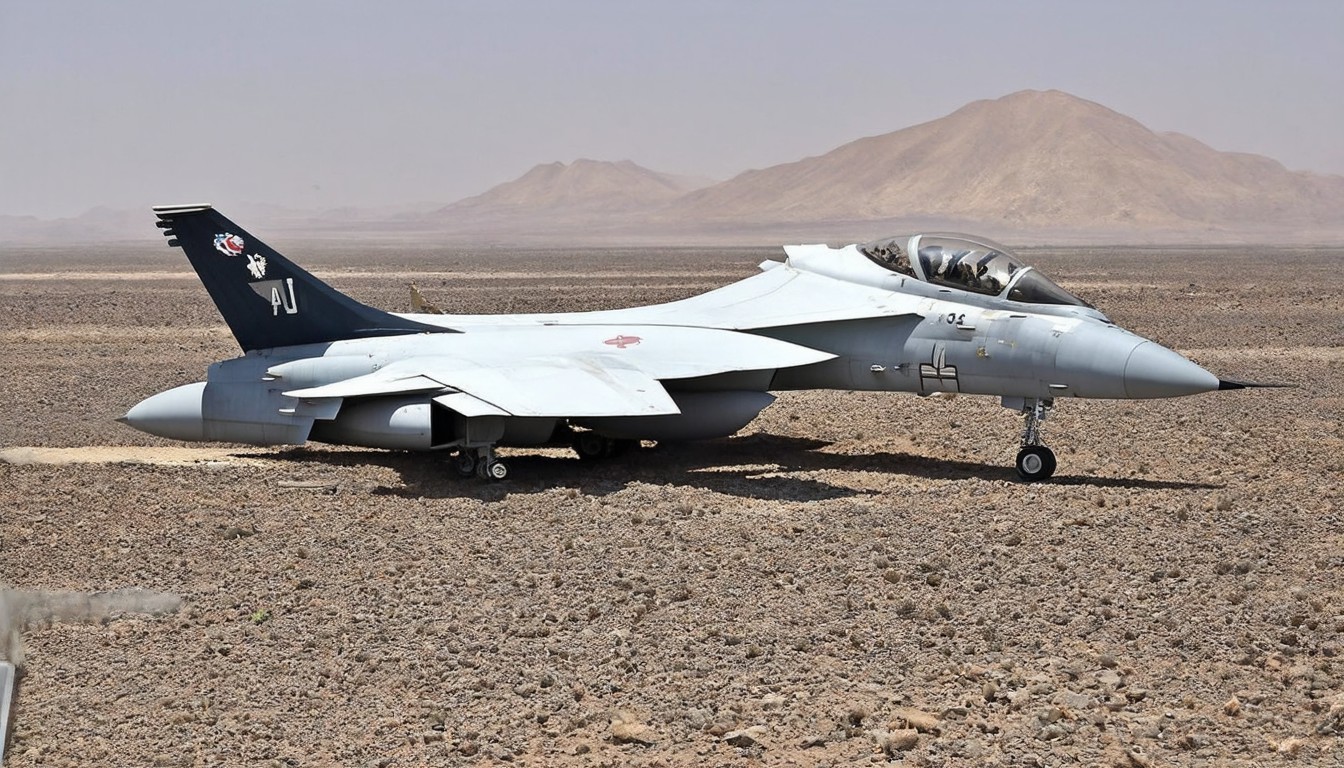
The United States has launched a rescue operation following reports from state-run Iranian television that an American fighter jet was shot down over Iranian territory. This marks the first instance of a U.S. aircraft being downed in Iran since the U.S. and Israel initiated a military campaign against the Islamic Republic on February 28. The details surrounding the incident are still unclear, but the event has heightened tensions between the two nations, which have been in a state of conflict for decades.
Iranian state media reported that the American jet, believed to be an F-35, was targeted by the Islamic Revolutionary Guard Corps (IRGC) air defense system. The IRGC claimed that the jet had entered Iranian airspace and was attempting to evade their defenses when it was intercepted. The U.S. has not yet confirmed the details of the incident, but officials have stated that they are investigating the matter and working to ensure the safety of any American personnel involved.
The downing of the jet comes at a time when relations between the U.S. and Iran are already strained. Since the February 28 war declaration, both countries have engaged in a series of military actions, including airstrikes and drone attacks. The U.S. has accused Iran of supporting terrorist groups in the region, while Iran has accused the U.S. of aggression and interference in its internal affairs. The recent incident adds another layer of complexity to an already volatile situation.
The U.S. military has not disclosed whether any pilots were on board the downed aircraft. If American personnel were involved, the rescue operation could potentially involve a delicate diplomatic process, as Iran has a history of detaining foreign nationals, particularly from the U.S. In the past, Iran has held U.S. citizens as hostages, citing political and security concerns. The U.S. has consistently called for the release of these detainees, but tensions have often prevented progress on the issue.
The incident also raises questions about the extent of U.S. military operations in the region. While the U.S. has not publicly acknowledged the extent of its involvement in the conflict, intelligence reports suggest that American forces are operating covertly to support regional allies and counter Iranian influence. The downing of the jet could indicate that these operations are becoming more visible to Iranian forces, potentially leading to increased scrutiny and heightened risks for U.S. personnel.
In response to the incident, U.S. officials have called for calm and urged Iran to provide full transparency regarding the events leading up to the jet's downing. The U.S. has also emphasized the importance of avoiding escalation and maintaining channels of communication to prevent further incidents. However, given the history of hostility between the two nations, it is unclear whether these calls for diplomacy will be heeded.
The situation is further complicated by the involvement of Israel, which has been a key ally of the U.S. in the conflict. Israel has not officially commented on the incident, but its military has been known to conduct operations in the region, often in coordination with the U.S. The involvement of Israeli forces could potentially escalate tensions further, as Iran has previously threatened to retaliate against Israeli targets in response to U.S. actions.
As the U.S. and Iran grapple with the implications of the downed jet, regional allies and international observers are closely monitoring the situation. The incident serves as a stark reminder of the ongoing instability in the Middle East and the risks faced by military personnel operating in conflict zones. The resolution of this crisis will likely hinge on the ability of both nations to navigate their complex relationship and avoid further escalation.
In the meantime, the U.S. rescue operation continues, with officials working around the clock to gather information and assess the situation. The outcome of this mission remains uncertain, but it is clear that the incident will have lasting repercussions for U.S.-Iran relations and the broader geopolitical landscape of the region. As tensions rise, the world watches closely, hoping for a path forward that can prevent further conflict and promote stability in an already volatile area.