US-Iran war: 9th Indian tankers crosses Strait of Hormez, 18 still trapped
The Indian-flagged tanker Green Asha has safely navigated the Strait of Hormuz, marking the ninth Indian vessel to do so amid regional tensions. Despite Iran's tight control, several Indian tankers have crossed successfully, although 18 ships are currently stranded due to the escalating conflict.
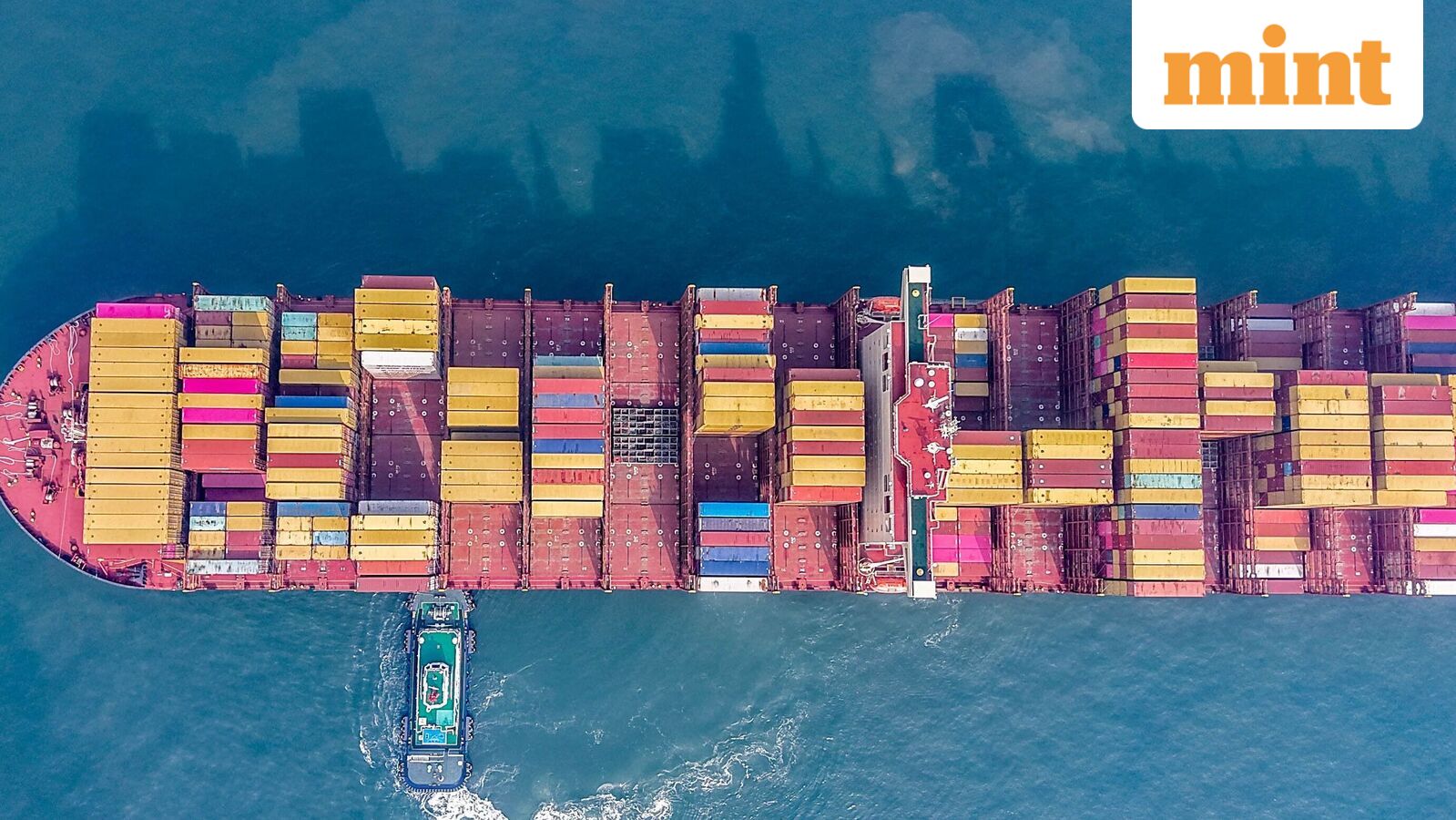
The Strait of Hormuz, a narrow waterway connecting the Persian Gulf to the Gulf of Oman, has become a focal point of geopolitical tension in recent weeks. This strategically vital chokepoint, through which over 30% of global oil and gas shipments pass, has been the scene of heightened hostilities between the United States and Iran. Amid this volatile environment, India's maritime operations have been a point of interest, with its tankers navigating the treacherous waters under the shadow of potential conflict.
On the morning of August 15, the Indian-flagged tanker Green Asha successfully made its way through the Strait of Hormuz, marking the ninth Indian vessel to do so since tensions between the US and Iran escalated. This achievement underscores India's resilience and adaptability in the face of regional instability, as well as its commitment to maintaining uninterrupted oil supplies.
The Green Asha, carrying approximately 2 million barrels of crude oil, sailed through the strait without incident, demonstrating that despite Iran's tight control over the region, a select number of Indian tankers have managed to navigate safely. This success is a testament to the meticulous planning and coordination between Indian maritime authorities and the tankers' crews, who are well-versed in the complexities of the strait.
However, the situation is far from stable. As of August 15, 18 Indian tankers remain stranded in the Persian Gulf, awaiting clearance to pass through the Strait of Hormuz. These vessels, carrying a combined cargo of over 10 million barrels of crude oil, are caught in a complex web of geopolitical tensions and maritime regulations.
The escalating conflict between the US and Iran has led to heightened security measures in the region, with both nations engaging in provocative actions that have raised concerns among neutral parties like India. The US has imposed sanctions on Iran, restricting its access to international markets and prompting it to tighten its grip on the Strait of Hormuz. In response, Iran has increased its military presence in the area, deploying advanced naval and aerial assets to deter any potential threats.
India, a major importer of oil and a key player in the region, has been navigating this delicate situation with caution. The Indian government has maintained a policy of neutrality, emphasizing the importance of maintaining freedom of navigation and ensuring the security of its maritime interests. This approach has been reflected in its efforts to secure safe passage for its tankers, even as the geopolitical landscape becomes increasingly volatile.
The stranded Indian tankers are not the only vessels facing challenges in the region. Several other countries, including Japan, South Korea, and China, have reported similar issues, with their tankers also awaiting clearance to pass through the Strait of Hormuz. This has led to concerns about the global oil market, as potential disruptions could drive up prices and impact economies worldwide.
The Indian government has been in active communication with both the US and Iran, seeking to ensure the safe passage of its tankers and mitigate the impact of the escalating tensions. Officials have emphasized the need for de-escalation and a return to diplomatic dialogue, stressing that prolonged hostilities would only exacerbate regional instability and global challenges.
In the meantime, Indian maritime authorities have been working closely with the crews of the stranded tankers, providing them with the necessary support and resources to remain in the region. The crews, who are under immense pressure, have been trained to manage the psychological and operational challenges of being in a high-risk area for an extended period.
The situation in the Strait of Hormuz is a stark reminder of the complex interplay between geopolitics, energy security, and maritime trade. As tensions between the US and Iran continue to mount, the ability of neutral countries like India to navigate these waters safely will be a critical factor in maintaining global energy supply chains and regional stability.
In conclusion, the ninth Indian tanker to successfully cross the Strait of Hormuz amid heightened US-Iran tensions is a beacon of resilience and adaptability. However, the plight of the 18 stranded vessels serves as a stark reminder of the challenges faced by maritime nations in a region wracked by geopolitical instability. The safe passage of these tankers will not only be a testament to India's maritime prowess but also a crucial step towards de-escalation and stability in a region that is already teetering on the brink.