US-Iran Negotiations: Trump Optimism vs. Tehran Deadlock
Global attention is fixed on the US-Iran negotiations as President Trump expresses optimism, while Iran asserts the talks are at a deadlock. This divergence highlights the complex diplomatic challenges ahead.
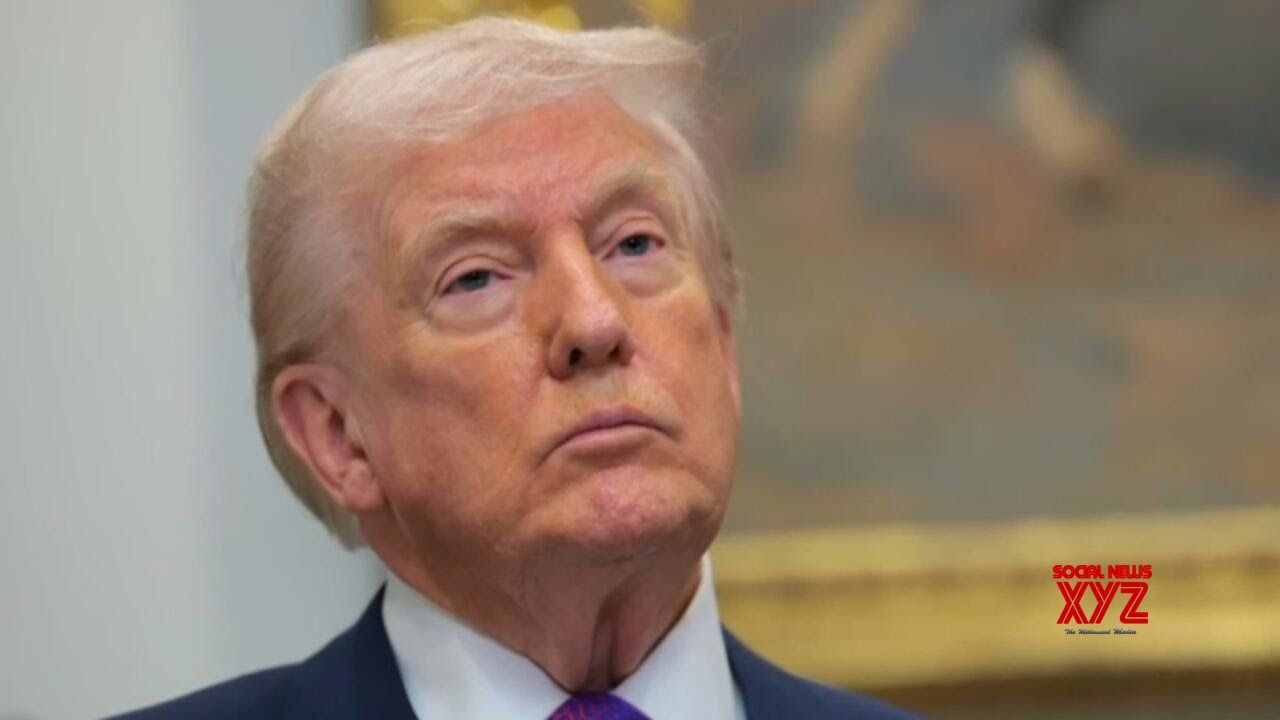
The global community remains on edge, keenly observing the high-stakes diplomatic efforts between the United States and Iran, as conflicting reports emerge regarding the progress of their ongoing negotiations. While US President Trump has reportedly expressed optimism, stating that the situation with Iran "seems to be going well," Iranian officials have countered this assessment, asserting that the talks are currently "stuck at a deadlock." This stark divergence in public statements underscores the complex and delicate nature of the discussions, leaving the international community to ponder the true state of affairs and the likelihood of a breakthrough.
For decades, relations between the United States and Iran have been characterized by deep-seated mistrust, strategic competition, and intermittent periods of intense tension. This historical backdrop lends significant weight to the current negotiations, which are widely seen as crucial for de-escalating regional instability and potentially reshaping the geopolitical landscape of the Middle East. The issues at stake are multifaceted, encompassing concerns over nuclear capabilities, regional influence, economic sanctions, and broader security architectures. Each nation approaches the table with its own set of demands, red lines, and strategic objectives, making the path to a mutually acceptable agreement fraught with challenges.
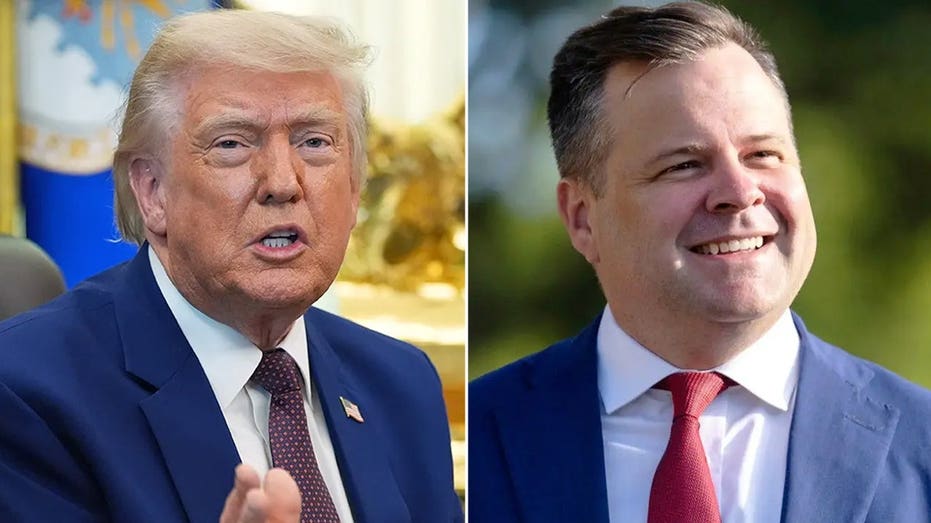
President Trump's recent remarks, suggesting a positive trajectory in the discussions, offer a glimmer of hope from the American perspective. His assessment implies that despite the inherent difficulties, there might be underlying movement or a constructive atmosphere that could pave the way for a resolution. Such a statement, coming from the highest office, typically aims to project confidence and perhaps encourage further engagement, signaling a willingness to find common ground. It suggests that the US administration perceives progress, even if incremental, in bridging the significant gaps that have historically divided the two nations.
However, this optimistic outlook is directly contradicted by Iran's official stance. Iranian representatives have reportedly declared that the negotiations are "stuck at a deadlock," indicating a significant impasse. This assertion suggests that fundamental disagreements persist, preventing any meaningful forward momentum. A deadlock implies that key issues remain unresolved, with neither side apparently willing or able to make the concessions necessary to advance the talks. Such a public declaration from Iran could be a reflection of genuine frustration, a strategic move to exert pressure, or a combination of both, highlighting the formidable obstacles that continue to plague the diplomatic process.
The contrasting narratives from Washington and Tehran present a significant challenge for observers attempting to gauge the true status of the negotiations. Are these public statements genuine reflections of internal assessments, or are they tactical maneuvers designed to influence public opinion, exert leverage, or manage expectations? The discrepancy complicates efforts to understand whether the talks are inching towards a resolution or are indeed on the verge of collapse. Bridging this perceptual gap, both publicly and privately, will be critical if any meaningful progress is to be achieved. The international community, therefore, finds itself in a state of heightened anticipation, sifting through the conflicting signals for any indication of the actual trajectory of these crucial discussions.
The stakes involved in these negotiations extend far beyond the immediate interests of the United States and Iran. A successful agreement could usher in an era of reduced tensions in a volatile region, potentially stabilizing energy markets and fostering greater international cooperation on various fronts. Conversely, a failure to reach an accord could lead to renewed escalation, increased regional proxy conflicts, and a heightened risk of broader geopolitical instability. Many nations, particularly those reliant on Middle Eastern oil supplies or concerned about proliferation, have a vested interest in seeing a peaceful and stable resolution emerge from these talks.
In this environment of uncertainty, expert analysis plays a crucial role in helping the public understand the complexities at play. Figures such as CBS News national security contributor Sam Vinograd, among others, are reportedly providing insights and context, attempting to decipher the implications of the public statements and the potential pathways forward. While specific details of their commentary are not publicly available, their contributions are vital in framing the situation for a global audience, offering perspectives on the strategic considerations and potential outcomes without inventing facts. Such expert opinions help to illuminate the intricate dance of international diplomacy and the profound challenges inherent in such high-level negotiations.
The very nature of high-stakes international diplomacy, particularly between nations with a history of animosity, is inherently arduous. Negotiations often involve intricate bargaining, delicate compromises, and a constant balancing act between national interests and global stability. Public posturing, as seen in the divergent statements from the US and Iran, is often an integral part of this process, aimed at strengthening negotiating positions or managing domestic expectations. Achieving a breakthrough requires not only political will but also a deep understanding of the other party's core concerns and a willingness to explore creative solutions that address mutual security interests.
As the world continues to await a definitive outcome, the path forward remains shrouded in uncertainty. The conflicting signals from the US and Iran underscore the fragility of the current diplomatic engagement. Whether the talks are indeed "going well" as President Trump suggests, or "stuck at a deadlock" as Iran claims, the global community remains hopeful for a resolution that can contribute to peace and stability. The coming days and weeks will be critical in determining whether these diplomatic efforts can overcome the significant hurdles and deliver an agreement that satisfies the complex demands of both nations and the broader international community.
Ultimately, the ongoing dialogue between the United States and Iran represents a pivotal moment in contemporary international relations. The outcome will undoubtedly have far-reaching consequences, influencing not only the future trajectory of these two powerful nations but also the stability of a region vital to global peace and prosperity. The world watches with bated breath, hoping that diplomacy, despite its inherent complexities and the current conflicting narratives, will ultimately prevail in forging a path towards a more secure future.