
US, Iran in talks for potential 45-day ceasefire as market skepticism grows
Market skepticism highlights the fragile nature of diplomatic efforts, with potential geopolitical and economic ramifications if talks fail. The post US, Iran in talks for potential 45-day ceasefire as market skepticism grows appeared first on Crypto Briefing .
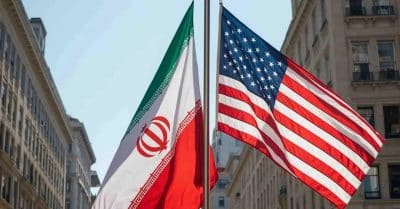
The United States and Iran are reportedly engaged in talks aimed at establishing a potential 45-day ceasefire, a development that has sparked cautious optimism among some observers but also heightened market skepticism. The fragile nature of these diplomatic efforts is on full display, with the potential for significant geopolitical and economic repercussions if the negotiations falter.
The recent escalation in tensions between the two nations has led to heightened concerns about the stability of global markets, particularly in the oil and gas sector. The prospect of a ceasefire, while welcome, has not been met with universal enthusiasm. Analysts and investors are wary of the possibility that the talks could collapse at any moment, leading to renewed hostilities and further disruptions in global energy markets.
The United States and Iran have a long history of contentious relations, dating back to the 1979 Iranian Revolution and the subsequent hostage crisis. In recent years, tensions have escalated further due to disputes over Iran's nuclear program, its involvement in regional conflicts, and U.S. sanctions imposed on Tehran. These factors have contributed to a volatile environment that has had a significant impact on global markets, particularly in the realm of commodities.
The potential for a 45-day ceasefire could provide much-needed relief to markets that have been battered by the ongoing geopolitical tensions. However, the uncertainty surrounding the talks has led to a cautious tone among investors. Many are concerned that any agreement reached may be short-lived, with both parties likely to revert to their previous hostile postures once the ceasefire period expires.
Economic experts have warned that the fragility of the diplomatic process could lead to significant economic ramifications. If the talks fail, there is a real risk of renewed hostilities, which could disrupt global oil supplies and drive up prices. This, in turn, could have ripple effects across various sectors, from transportation and manufacturing to consumer goods.
In addition to the geopolitical risks, there are also concerns about the impact on the U.S. and Iranian economies. Prolonged tensions have already led to a drain on resources for both nations, with sanctions and retaliatory measures taking a toll on their respective economies. A ceasefire, even if temporary, could provide some breathing room for both countries to reassess their strategies and potentially engage in more meaningful dialogue.
However, the path to a lasting resolution remains uncertain. Both the United States and Iran have entrenched positions that may be difficult to reconcile. The recent talks are a welcome development, but they also highlight the complexities of diplomacy in an era of rapidly changing geopolitical landscapes.
As the world watches the unfolding negotiations, investors and analysts are left to navigate a minefield of uncertainties. While a ceasefire could offer a much-needed respite from the current tensions, the potential for failure underscores the fragility of diplomatic efforts in an increasingly interconnected world. The coming weeks will be crucial as both nations grapple with the challenges posed by their contentious relationship and the broader implications for global stability.









