US House Curbs Trump's Iran Military Power
The U.S. House of Representatives has reportedly passed a significant resolution aimed at reining in President Donald Trump's authority regarding military engagements with Iran, seeking to compel a withdrawal from ongoing hostilities and mandate congressional
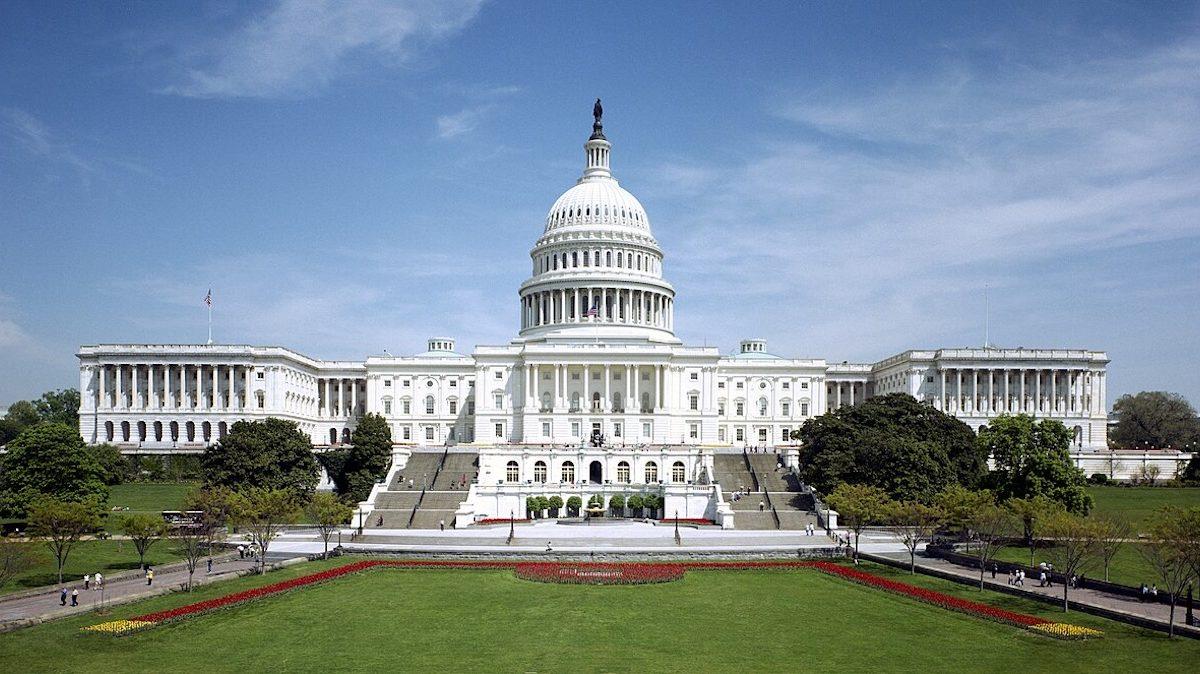
The United States House of Representatives has reportedly taken a significant step to assert its constitutional authority over matters of war and peace, passing a resolution aimed at curtailing President Donald Trump's ability to engage in military action against Iran. The legislative body's move, on a Wednesday, underscores a persistent tension between the executive and legislative branches regarding foreign military operations. This resolution specifically seeks to compel the President to withdraw from what has been termed 'the war with Iran' and mandates that any further military engagements or escalations would require explicit congressional approval, marking a notable push for increased legislative oversight in a highly sensitive geopolitical arena.
This legislative initiative comes amidst a backdrop of complex and often fraught relations between Washington and Tehran, which have seen periods of heightened tension and military posturing. While the precise nature of 'the war with Iran' as referenced remains open to interpretation, it broadly points to ongoing military-related activities, threats, or confrontations that have characterized the relationship. The House's action reflects a desire among some lawmakers to ensure that any decisions leading to or prolonging military conflict are made with the full consent and deliberation of the people's elected representatives, rather than solely by presidential prerogative.
At the heart of this debate lies the fundamental constitutional division of war powers in the United States. The U.S. Constitution designates the President as the Commander-in-Chief of the armed forces, granting considerable authority over military operations. However, it explicitly reserves for Congress the power to declare war, raise and support armies, and provide and maintain a navy. This deliberate separation of powers was intended to prevent unilateral executive action in national security and ensure the weighty decision to commit the nation to armed conflict rests with the body most directly accountable to the populace.
Historically, this division has often led to friction, particularly in the post-World War II era, where presidents have frequently deployed military forces without a formal declaration of war from Congress. This practice has fueled ongoing debates about the scope of presidential war powers and the extent of congressional oversight. The War Powers Resolution of 1973 was one such legislative attempt to reassert Congress's role, requiring presidents to notify Congress within 48 hours of committing armed forces to military action and limiting the duration of such deployments without congressional authorization. While the resolution's specific legal framework is not detailed, it aligns with this broader historical pattern of Congress seeking to reclaim its constitutional prerogatives.
The significance of requiring congressional approval for further action cannot be overstated. It implies a legislative intent to ensure that any future military decisions concerning Iran undergo rigorous debate, scrutiny, and a formal vote by both chambers of Congress. This process is designed to check executive power, ensuring military interventions are not only strategically sound but also have broad public and political support, reflecting democratic principles. Such a requirement could potentially alter the dynamics of foreign policy decision-making, compelling the executive branch to build consensus before engaging in significant military endeavors.
The broader context of US-Iran relations has been marked by decades of mistrust, geopolitical rivalry, and proxy conflicts across the Middle East. Issues such as Iran's nuclear program, its ballistic missile development, and its regional influence have consistently been sources of tension. Against this backdrop, any military engagement carries profound risks of escalation, potentially destabilizing an already volatile region. The House's resolution can be seen as an attempt to introduce a more cautious and deliberative approach to managing these complex challenges, emphasizing diplomatic solutions and preventing unintended military confrontations.
From the perspective of executive authority, such a resolution could be viewed as a direct challenge to the President's role as the primary architect of foreign policy and Commander-in-Chief. Presidents often argue that they need flexibility and the ability to act swiftly in matters of national security, particularly in rapidly evolving international crises. Imposing a requirement for congressional approval for every 'further' action could, from this viewpoint, be seen as hamstringing the executive's ability to respond effectively to threats or to conduct nuanced foreign policy. This sets the stage for a potential constitutional clash over presidential power.
The passage of this resolution by the House of Representatives reflects a particular political climate and legislative priorities within that chamber. While the specific motivations of individual lawmakers are not detailed, such actions often arise from concerns about unchecked executive power, the costs of prolonged military engagements, and a desire to reassert the legislative branch's role in critical national decisions. It signals a strong legislative stance on shared responsibility in matters of war and peace, particularly concerning a nation as strategically significant as Iran.
Looking ahead, the resolution's path and ultimate impact remain to be seen. While the House has made its position clear, the legislative process typically involves passage by both chambers of Congress and potentially presidential assent. Regardless of its final legal status, the House's vote sends a powerful message about the legislative branch's intent to exercise its constitutional duties on military action. It highlights the ongoing, dynamic interplay between the executive and legislative branches in shaping American foreign policy and underscores the enduring debate over who holds the ultimate authority to commit the nation to conflict.
In conclusion, the U.S. House of Representatives' approval of a measure to restrain President Trump's actions in Iran represents a significant legislative effort to rebalance war powers. By seeking to compel a withdrawal from ongoing military engagements and mandating congressional approval for future actions, the House has underscored its commitment to legislative oversight and democratic accountability in foreign policy. This move reinforces the constitutional framework ensuring decisions of war and peace are not taken lightly and involve the full deliberation of elected representatives.