US foreign router ban criticized for being ‘industrial policy disguised as cybersecurity’
Public policy professor says it will make America less secure but hits Netgear’s lobbying goals The United States’ ban on foreign-made SOHO routers won’t improve security, and only makes sense as “industrial policy disguised as cybersecurity,” according to Milton Mueller, Professor at the University of Georgia’s School of Public Policy and founder of its Internet Governance Project.…
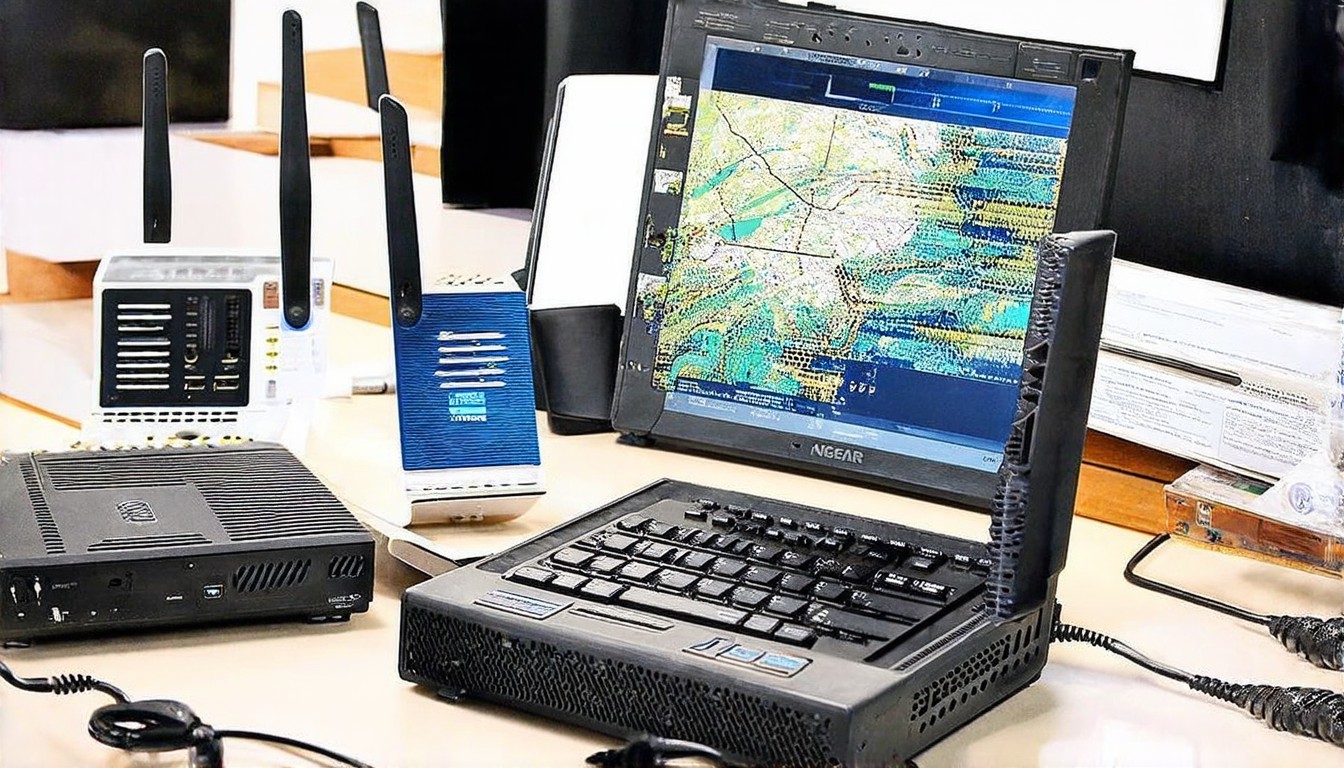
The United States’ recent ban on foreign-made SOHO routers has drawn criticism from public policy experts, who argue that the move is more about industrial policy than genuine cybersecurity concerns. Milton Mueller, a professor at the University of Georgia’s School of Public Policy and the founder of its Internet Governance Project, has spoken out against the decision, contending that it will ultimately make the country less secure and serve the lobbying interests of domestic companies like Netgear.
Mueller’s critique centers on the idea that the ban is not driven by a genuine need to protect national security but rather by a desire to protect American industries from foreign competition. He argues that the justification for the ban, which claims to address potential cybersecurity risks posed by foreign routers, is misleading. In reality, he suggests, the primary beneficiaries of the policy are domestic manufacturers like Netgear, which has been a vocal advocate for such restrictions.
The professor points out that the ban does not actually address the real threats facing the nation’s cybersecurity. Instead of focusing on the high-risk areas, such as government infrastructure or critical infrastructure, the policy targets a relatively low-risk sector: home and small office routers. These devices, while important, are not typically the primary targets of sophisticated cyberattacks. The real threats, according to Mueller, come from state-sponsored hackers targeting high-value assets, not from everyday consumer electronics.
Moreover, Mueller argues that the ban could inadvertently harm national security. By restricting the availability of foreign routers, the policy forces consumers and businesses to rely on domestic alternatives, which may not be as robust or secure. This could create a false sense of security, as the assumption is that American-made products are inherently safer. However, this is not necessarily the case. In reality, the security of a router depends on factors like software updates, firmware vulnerabilities, and the overall security practices of the manufacturer, not just the country of origin.
Furthermore, the professor questions the effectiveness of the ban in achieving its supposed cybersecurity goals. If the primary concern is about potential backdoors or surveillance capabilities in foreign routers, then the ban does little to address this issue. Domestic manufacturers could also be pressured to include similar features, or the ban could simply shift the problem to other areas, such as cloud services or software applications.
Mueller’s criticism extends beyond the immediate impact of the ban. He warns that this approach to cybersecurity could set a dangerous precedent, encouraging policymakers to use national security as a justification for protectionist policies. This could lead to a broader erosion of international trade rules and the free flow of technology, ultimately harming innovation and economic growth.
The professor’s views are not isolated. Other experts in the field have also expressed concerns about the ban, arguing that it prioritizes political and economic interests over genuine security concerns. They suggest that a more effective approach would be to focus on improving the security of all routers, regardless of origin, through international cooperation, standardized security protocols, and robust oversight mechanisms.
In conclusion, the US foreign router ban has been met with significant criticism from public policy experts like Milton Mueller, who argue that it is more about industrial policy than genuine cybersecurity. The professor contends that the ban will make the country less secure, serve the interests of domestic companies, and set a dangerous precedent for future policy decisions. As the debate continues, it remains to be seen whether policymakers will heed these concerns or double down on their current approach.