
US: FCC Bans Foreign-Made Routers Over National Security Concerns
The US Federal Communications Commission has placed all “consumer-grade” internet routers produced outside the US on its “covered list”
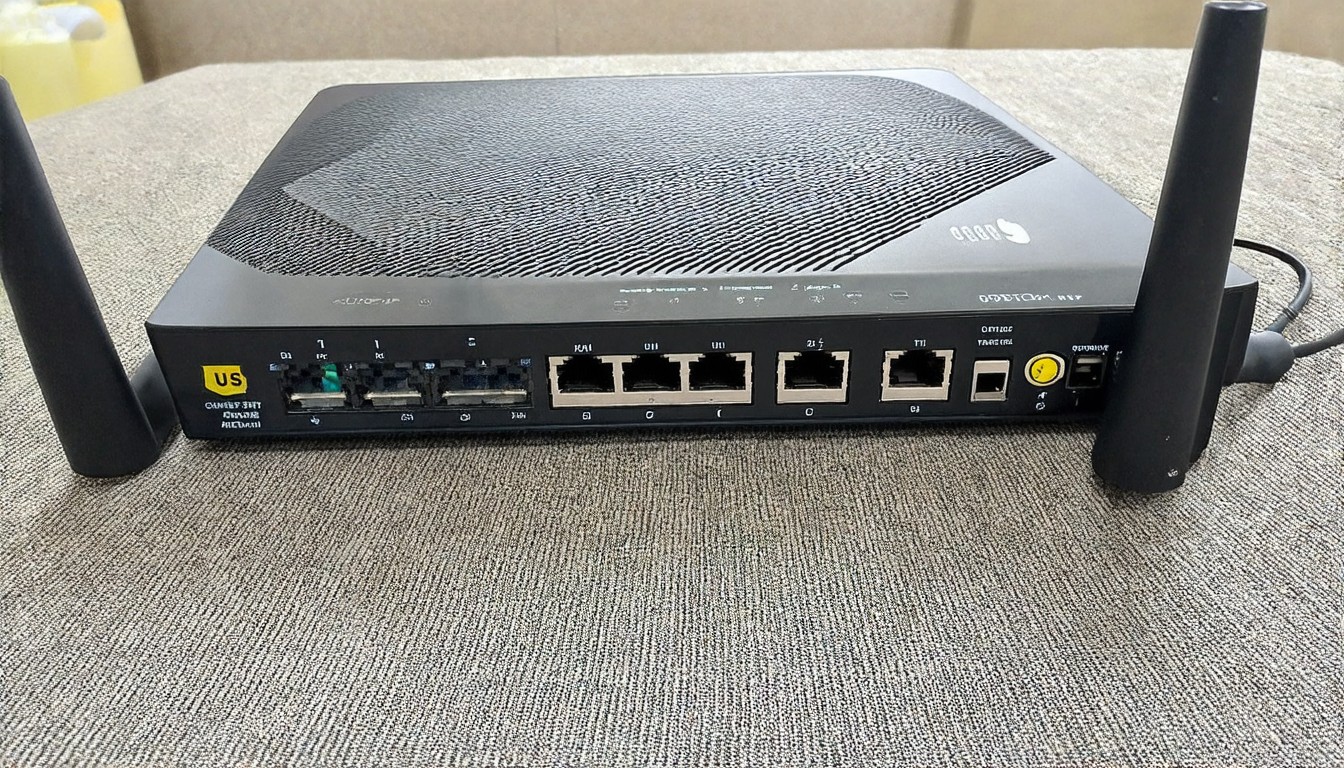
The US Federal Communications Commission (FCC) has recently taken a significant step to bolster national security by banning the sale and importation of foreign-made consumer-grade internet routers. This move, which places all such routers produced outside the US on the FCC’s “covered list,” is a direct response to growing concerns about potential vulnerabilities in these devices.
The decision follows an extensive review of the security risks associated with foreign-made routers, which have been under scrutiny for years. Critics have long argued that these devices, particularly those from China, pose a threat to US national security due to the possibility of covert surveillance or data interception. The FCC’s action is a bold step aimed at mitigating these risks and ensuring that American consumers are protected from potential cyber threats.
The FCC’s covered list includes routers from various countries, but the focus is particularly on those from China, which dominate the global market. Brands like Huawei, ZTE, and TP-Link have been at the center of debates over the past decade, with concerns about their ties to authoritarian governments and the potential for espionage. The FCC’s decision to ban these routers is a clear signal that it takes these risks seriously and is determined to safeguard US infrastructure.
The ban is not without controversy, however. Critics argue that it could stifle innovation and increase costs for consumers, as many of these foreign-made routers are known for their affordability and advanced features. They also contend that the FCC’s decision is politically motivated, reflecting a broader trend of distrust towards China in the US government.
Despite these concerns, the FCC maintains that the benefits of enhanced security outweigh the potential drawbacks. The agency has emphasized that it is not targeting specific brands but rather all consumer-grade routers produced outside the US. This broad approach is intended to create a level playing field, encouraging domestic manufacturers to improve their offerings and compete effectively.
The FCC’s decision has also prompted a reevaluation of existing routers in US households. Consumers who currently use foreign-made routers will need to replace them with US-made alternatives, which could be a costly endeavor for many. The agency has not specified a timeline for this transition, but it is clear that the pressure is on for consumers to upgrade to secure their networks.
This move by the FCC is part of a larger trend in the US towards increased scrutiny of foreign technology. In recent years, the government has taken steps to limit the influence of Chinese companies in critical infrastructure, citing national security concerns. The ban on foreign-made routers is another piece of this puzzle, designed to protect against potential cyber threats and ensure the integrity of US communication networks.
In response to the FCC’s decision, some domestic manufacturers have expressed optimism about the future of their industry. US-based companies like Netgear and Linksys have been quick to highlight their commitment to security and innovation, positioning themselves as the go-to choice for consumers looking to upgrade their networks.
Others, however, are more cautious. Experts warn that simply banning foreign-made routers may not be enough to address the complex challenges posed by cybersecurity. They argue that a comprehensive approach is needed, one that includes robust encryption, regular software updates, and enhanced user education.
The FCC’s decision to ban foreign-made routers is a significant step in the ongoing battle against cyber threats. While it may not be the final solution, it is a clear demonstration of the agency’s commitment to protecting US national security and the integrity of its communication infrastructure. As the debate continues, it remains to be seen whether this bold move will be effective in achieving its goals or if it will lead to unintended consequences for consumers and the industry as a whole.









