
U.S. Egg Prices on the Decline Ahead of Easter Holiday
The average U.S. retail price for a dozen eggs in February was $2.50, compared to $5.89 in that same month last year.
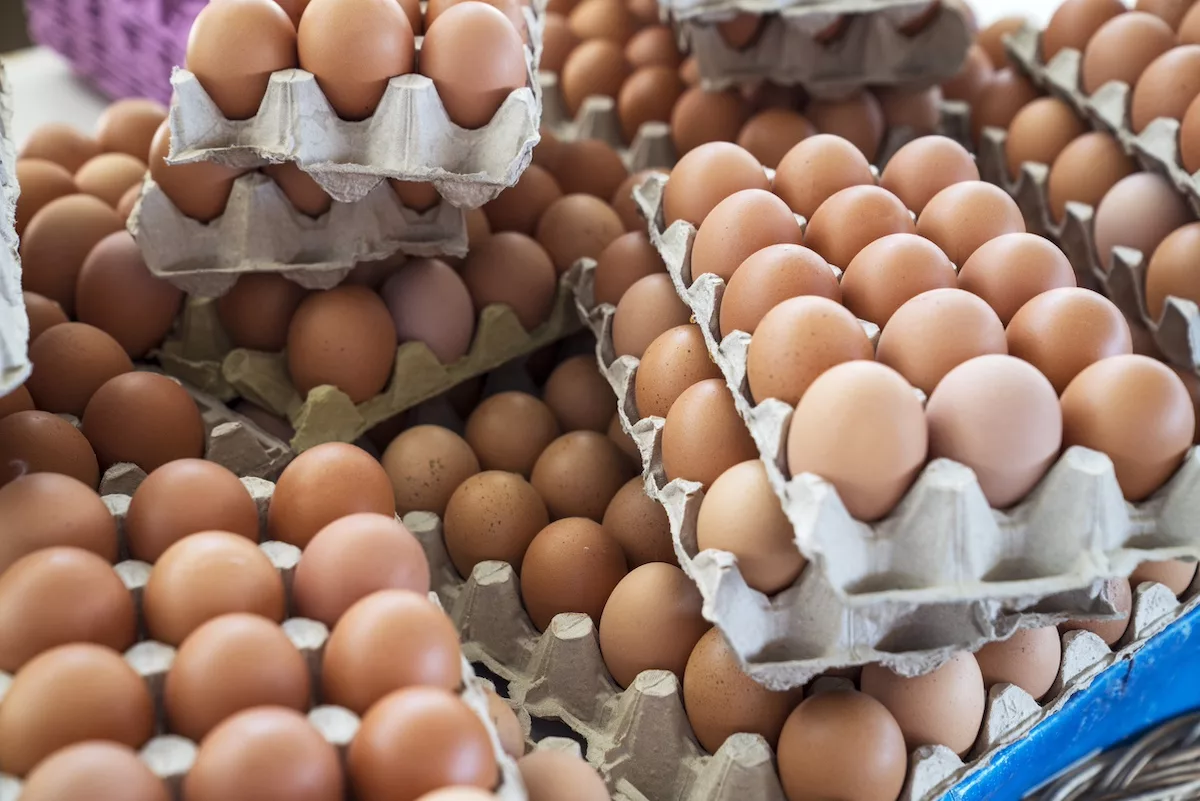
The U.S. egg prices have seen a significant decline in the lead-up to the Easter holiday, offering relief to consumers who faced sky-high costs just a year ago. According to recent data, the average retail price for a dozen eggs in February 2024 was $2.50, a stark contrast to the $5.89 charged in February 2023. This dramatic drop, amounting to a 57% reduction, reflects a combination of factors that have stabilized the market and brought much-needed affordability to the table.
The sharp increase in egg prices in 2023 was largely attributed to a variety of challenges faced by the industry. Bird flu outbreaks in the United States and other key egg-producing nations disrupted supply chains, leading to shortages and driving up prices. Additionally, inflationary pressures and higher production costs further exacerbated the situation, leaving consumers struggling to keep up with the rising costs.
However, the situation has begun to improve as the industry adapts to these challenges. The U.S. Department of Agriculture (USDA) has reported a gradual increase in egg production, which has helped to alleviate supply constraints. Moreover, the global bird flu situation has stabilized, allowing for more consistent supply chains. These developments have contributed to the current decline in prices, providing a welcome respite for consumers who were bracing for another costly holiday season.
The reduction in egg prices is particularly welcome news for many Americans, as eggs are a staple in Easter celebrations. Traditional dishes like egg salads, deviled eggs, and baked goods often feature eggs prominently, and the high costs last year led many to reconsider their holiday menus. This year, with prices back to pre-pandemic levels, families are more likely to enjoy their favorite dishes without worrying about the financial impact.
The decline in egg prices also signals a broader trend of stabilization in food markets. After experiencing unprecedented volatility due to the COVID-19 pandemic and subsequent supply chain disruptions, the food industry is slowly returning to normalcy. While challenges such as inflation and climate change continue to pose threats, the recovery in egg prices offers a glimmer of hope that the market can adapt and recover from adversity.
In conclusion, the significant drop in U.S. egg prices ahead of Easter marks a turning point for consumers and the industry. The stabilization of supply chains and increased production have worked together to bring prices down, providing relief to those who faced exorbitant costs just a year ago. As the market continues to adjust, the hope remains that food prices will stabilize further, allowing for more predictable and affordable shopping habits for all.









