US detects rare bird flu strain H5N9 in poultry for first time
The finding at a California duck farm is raising alarms among public health experts that bird flu could further mutate into “unpredictable new viruses.”
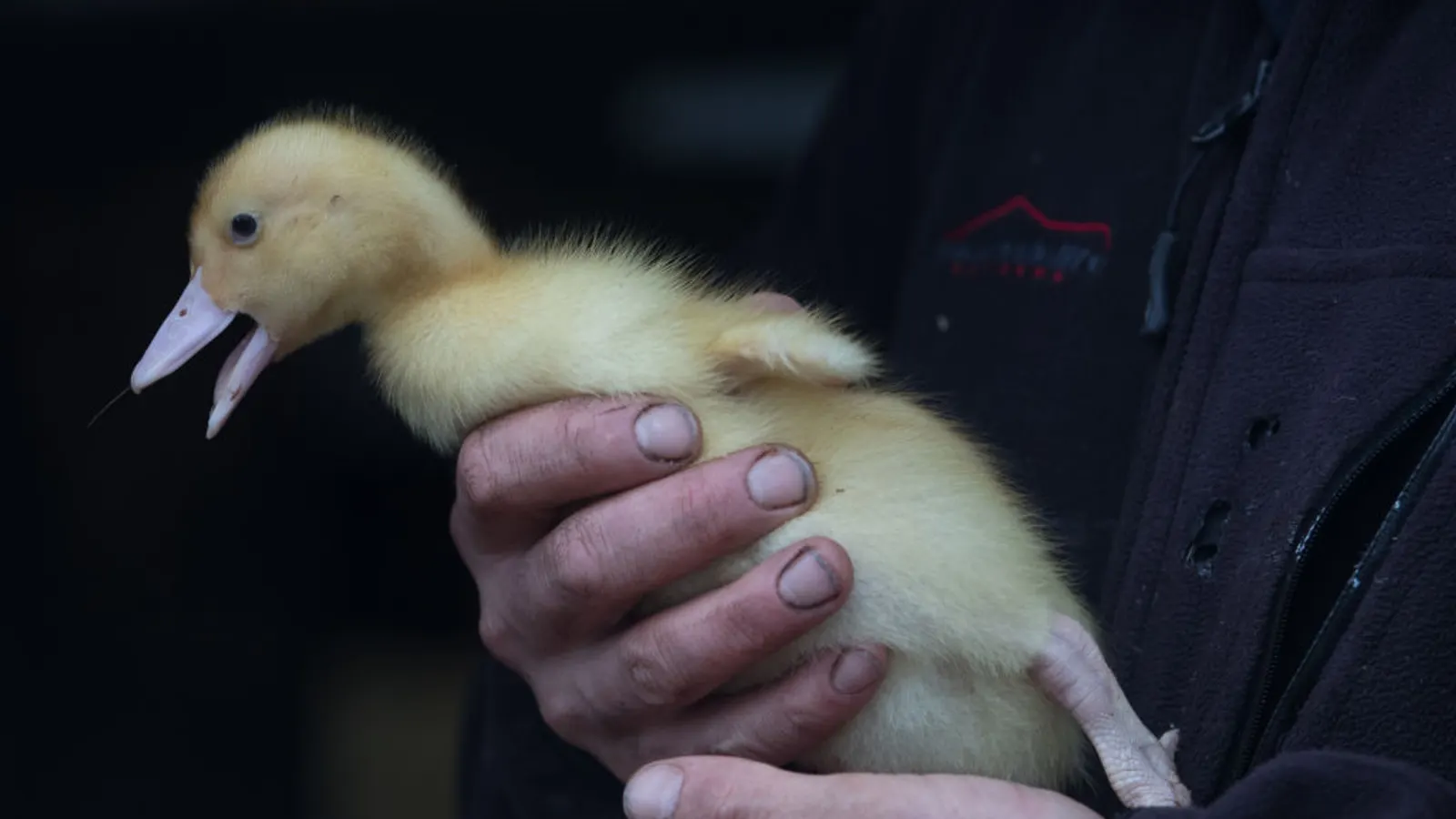
The United States has detected its first case of the rare bird flu strain H5N9 in poultry, prompting concerns among public health experts that the virus could continue to mutate and evolve into potentially dangerous new strains. The discovery was made at a duck farm in California, where tests confirmed the presence of the virus in a small number of birds.
H5N9 is one of several strains of avian influenza virus that can infect birds, but it is not typically transmitted to humans. However, the detection of this strain in the United States marks a significant development, as it has been linked to outbreaks in birds across Asia and Europe in recent years. Public health officials have expressed concern that the virus could potentially mutate further, leading to the emergence of new variants that could pose a threat to human health.
The California duck farm, which has not been named, is undergoing a thorough investigation to determine how the virus may have entered the facility. Authorities are also assessing the potential impact on the local poultry industry and the surrounding communities. The farm's operations have been temporarily halted as a precautionary measure to prevent the spread of the virus to other birds.
Experts have emphasized that while the risk of H5N9 causing a pandemic in humans is currently low, the detection of this strain in the United States underscores the need for increased vigilance and surveillance in the poultry industry. The Centers for Disease Control and Prevention (CDC) and other health agencies are closely monitoring the situation and working with state and local officials to implement appropriate measures to prevent the spread of the virus.
The presence of H5N9 in the United States also highlights the global challenge posed by avian influenza. The virus can mutate rapidly, and new strains can emerge that are capable of infecting humans. While most cases of human infection with avian influenza strains are mild, some can be severe or even fatal. The ability of the virus to jump from birds to humans and between humans is a major concern for public health officials worldwide.
In response to the detection of H5N9, the United States Department of Agriculture (USDA) has increased its efforts to monitor and control avian influenza in the country. This includes enhancing surveillance programs, implementing stricter biosecurity measures on farms, and promoting the responsible handling and disposal of poultry waste to minimize the risk of virus transmission.
The discovery of H5N9 in California has also prompted a broader discussion about the potential for avian influenza to evolve into a highly pathogenic strain capable of causing a pandemic. While the likelihood of this occurring remains uncertain, experts stress the importance of preparedness and collaboration among global health authorities to mitigate the risks associated with emerging viruses.
In conclusion, the detection of the rare bird flu strain H5N9 in poultry in the United States serves as a stark reminder of the ongoing threat posed by avian influenza. While the immediate risk to human health may be low, the potential for the virus to mutate further and pose a significant public health challenge cannot be ignored. As the investigation into the California duck farm case continues, public health officials and agricultural experts are working together to implement measures that will help safeguard both human and animal health in the face of this evolving threat.