U.S. crude tops $100 and the S&P 500 approaches correction as Iran war enters second month
Global oil prices jump and U.S. stock indexes struggle to recover from steep losses as the Iran war enters its second month.
As the Iran war enters its second month, global oil prices have surged, with U.S. crude exceeding $100 per barrel for the first time in nearly a decade. Meanwhile, the S&P 500 index is struggling to recover from significant losses, reflecting the broader market's concerns over geopolitical tensions and their impact on economic stability.
The escalation in the conflict between Iran and the United States has heightened fears of disruptions in global oil supply, particularly through the Strait of Hormuz, a critical chokepoint for international maritime trade. This narrow waterway, located between Iran and Oman, is responsible for about 30% of global oil shipments, and any potential blockage could lead to severe consequences for global energy markets.
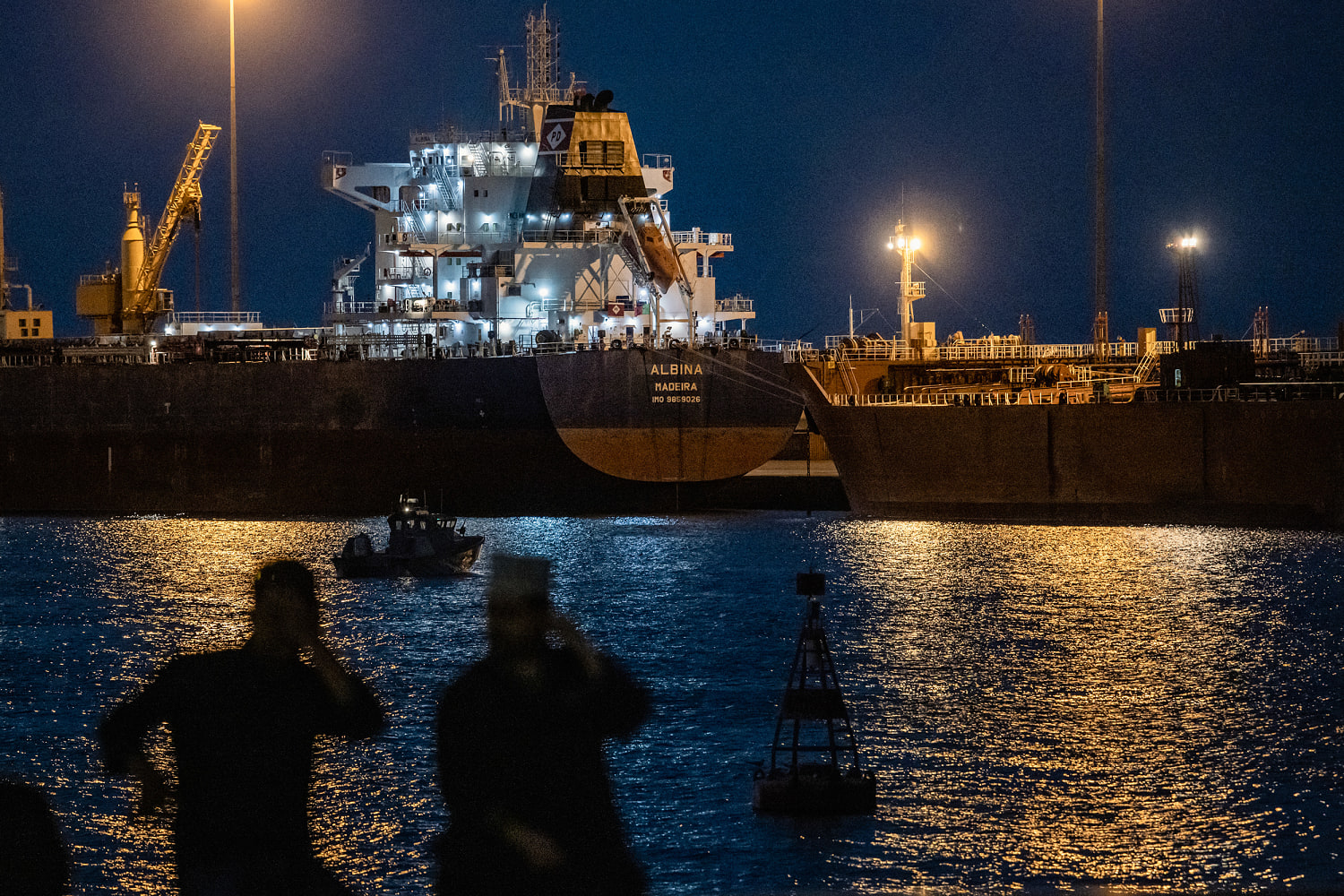
In recent weeks, shipping vessels have been anchored at Sultan Qaboos Port in Muscat, Oman, near the Strait of Hormuz. This unusual sight is a testament to the heightened tensions and the precautions being taken by maritime operators to avoid potential risks. The port, which is a major hub for oil tankers, has become a focal point for global attention as the situation in the region remains uncertain.
The spike in oil prices has significant implications for global economies. Higher fuel costs can lead to inflation, reduced consumer spending, and increased production costs for businesses. In the United States, the rise in oil prices is expected to contribute to a more aggressive monetary policy by the Federal Reserve, as central banks around the world grapple with the challenge of balancing economic growth with inflationary pressures.
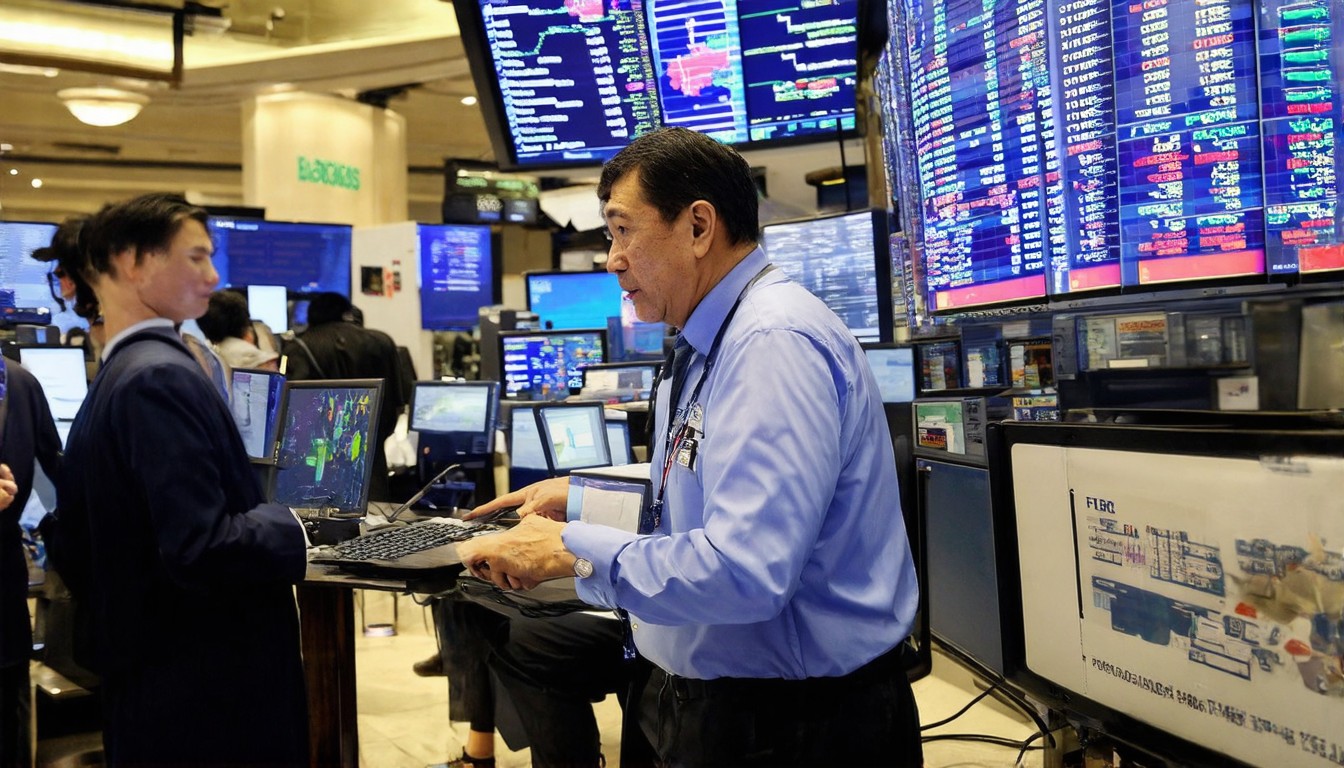
The S&P 500 index, which had been on an upward trajectory before the escalation of tensions, is now facing a correction as investors reassess the risks associated with the geopolitical situation. The index has experienced steep losses in recent weeks, with many sectors, particularly energy and technology, feeling the brunt of the market volatility.
Investors are closely monitoring developments in the region, with concerns extending beyond oil prices. The broader economic implications of the conflict, including potential sanctions and retaliatory measures, are causing uncertainty in financial markets. This uncertainty has led to a flight to safety, with investors seeking refuge in traditional safe-haven assets such as gold and the U.S. dollar.
Amidst the market turmoil, there are signs of resilience. Some sectors, such as consumer staples and healthcare, have shown relative stability, as investors seek companies that are less exposed to the geopolitical risks. Additionally, technology stocks have experienced a resurgence, driven by optimism about the long-term potential for growth in the sector.
Looking ahead, the future of the Iran war remains uncertain. Diplomatic efforts to de-escalate the situation are ongoing, but the possibility of further clashes cannot be ruled out. As the conflict persists, the global community must prepare for potential disruptions in energy markets and their broader economic consequences.
In conclusion, the escalation of tensions between Iran and the United States has led to a surge in global oil prices, with U.S. crude exceeding $100 per barrel. The S&P 500 index is struggling to recover from steep losses, reflecting the broader market's concerns over geopolitical risks and their impact on economic stability. The situation in the Strait of Hormuz, a critical chokepoint for international oil trade, remains a focal point for global attention, as the region's instability continues to shape global energy markets and financial markets.