
U.S. crude tops $100 and the S&P 500 approaches correction as Iran war enters second month
Global oil prices jump and U.S. stock indexes struggle to recover from steep losses as the Iran war enters its second month.
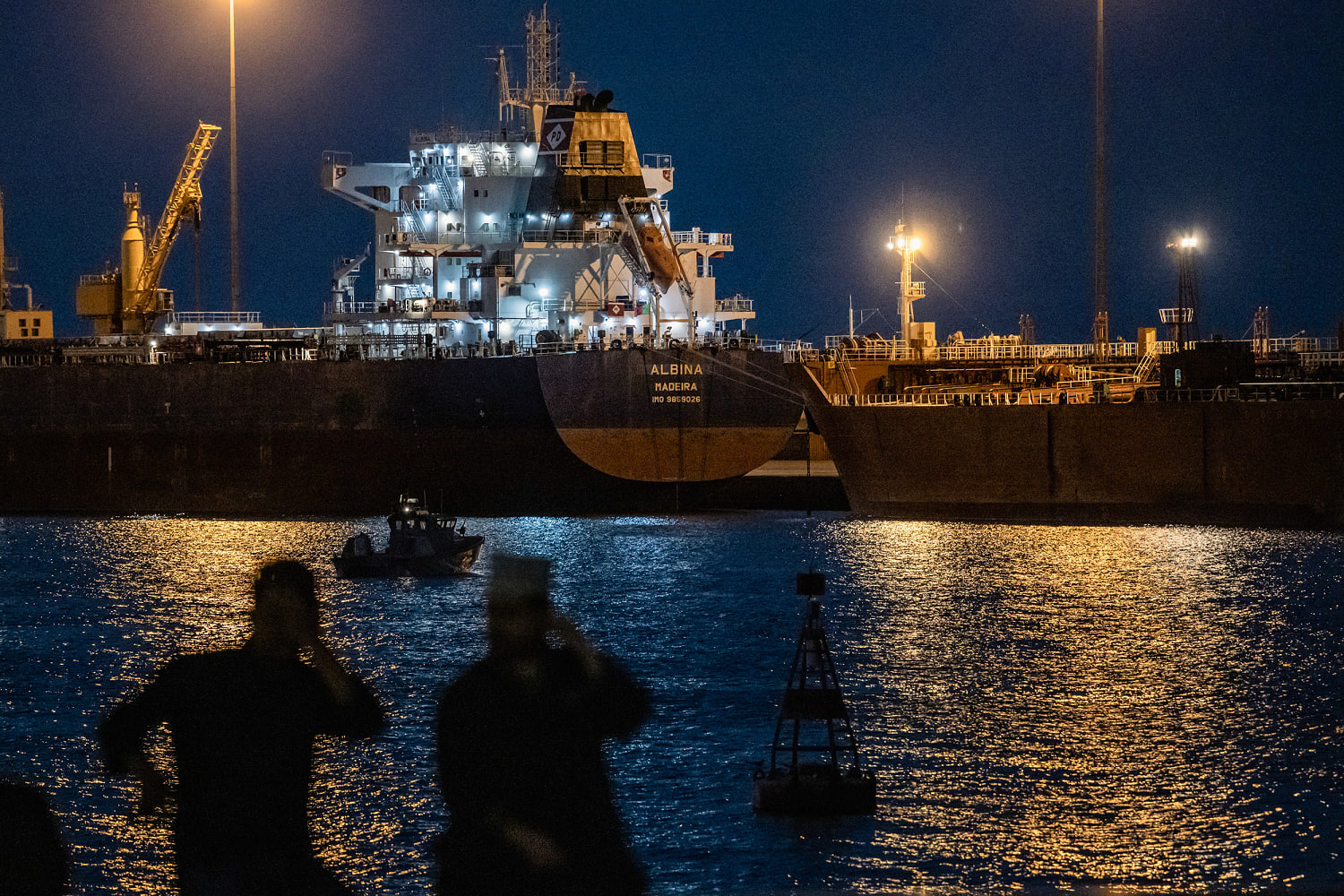
As the Iran war enters its second month, global oil prices have surged, with U.S. crude topping $100 per barrel for the first time in nearly a decade. Meanwhile, the S&P 500 index is struggling to recover from steep losses, signaling a potential correction in the stock market. The escalating tensions in the region have sent shockwaves through global markets, causing uncertainty and volatility.
The Strait of Hormuz, a critical chokepoint for global oil supply, has been at the center of the geopolitical crisis. Shipping vessels have been anchored at Sultan Qaboos Port in Muscat, Oman, near the strait, as tensions have risen. This strategic location, through which about 30% of global oil is transported, has become a focal point for concerns about potential disruptions in supply.
The spike in oil prices is not only affecting the energy sector but also has broader implications for global economies. Higher oil prices can lead to inflation, which may prompt central banks to adjust their monetary policies. Additionally, the increased costs of fuel can impact consumer spending and business operations, particularly in industries reliant on transportation and manufacturing.
The U.S. stock market has been particularly vulnerable to the geopolitical uncertainties. The S&P 500 index, which had been on an upward trajectory, has faced significant pressure as investors reassess the risks associated with the Iran war. The index has struggled to recover from its steepest decline in several months, reflecting investor concerns about the economic implications of the conflict.
Analysts have noted that the prolonged tensions in the region could lead to a more significant correction in the stock market. The uncertainty surrounding the future of oil supply and the potential for further geopolitical escalations is weighing heavily on investor sentiment. Some experts have suggested that the market may need to adjust its expectations for growth and profitability in light of these challenges.
In addition to the direct impact on oil prices and stock markets, the Iran war has also raised questions about the stability of global supply chains. The Strait of Hormuz is a crucial link in the global trade network, and any disruption could have far-reaching consequences. Companies relying on imports and exports through this route may face increased costs and delays, which could affect consumer prices and product availability.
The geopolitical situation in the region is complex and multifaceted, involving a range of stakeholders with varying interests. The U.S. and its allies have been pushing for a de-escalation of tensions, but the situation remains precarious. The prolonged conflict has underscored the need for diplomatic efforts to address the underlying issues and find a sustainable resolution.
In the meantime, investors and businesses are bracing for the potential impacts of the Iran war. While the immediate focus is on oil prices and stock market volatility, the broader economic implications are likely to be felt across multiple sectors. The challenge for policymakers and market participants will be to navigate these uncertainties and adapt strategies to mitigate potential risks.
As the second month of the Iran war unfolds, the global community watches with apprehension, hoping for a resolution that can stabilize the region and restore market confidence. The spike in oil prices and the struggles of the S&P 500 are stark reminders of the interconnectedness of global economies and the potential for geopolitical events to have far-reaching consequences. The road to recovery will likely be fraught with challenges, but the resilience of global markets and the adaptability of investors will play crucial roles in shaping the future trajectory.









