Upstart Wall Street research firm says it sent an analyst to Strait of Hormuz. Here’s what they learned
Citrini Research said it dispatched an analyst to Oman's Musandam Peninsula, where he traveled by boat to observe shipping activity firsthand.
In a bold move that underscores its commitment to unconventional research methods, the Wall Street-based firm Citrini Research has sent one of its analysts to the strategically significant Strait of Hormuz. The decision to deploy an on-the-ground observer in this volatile region comes as tensions rise over maritime security and oil supply routes.
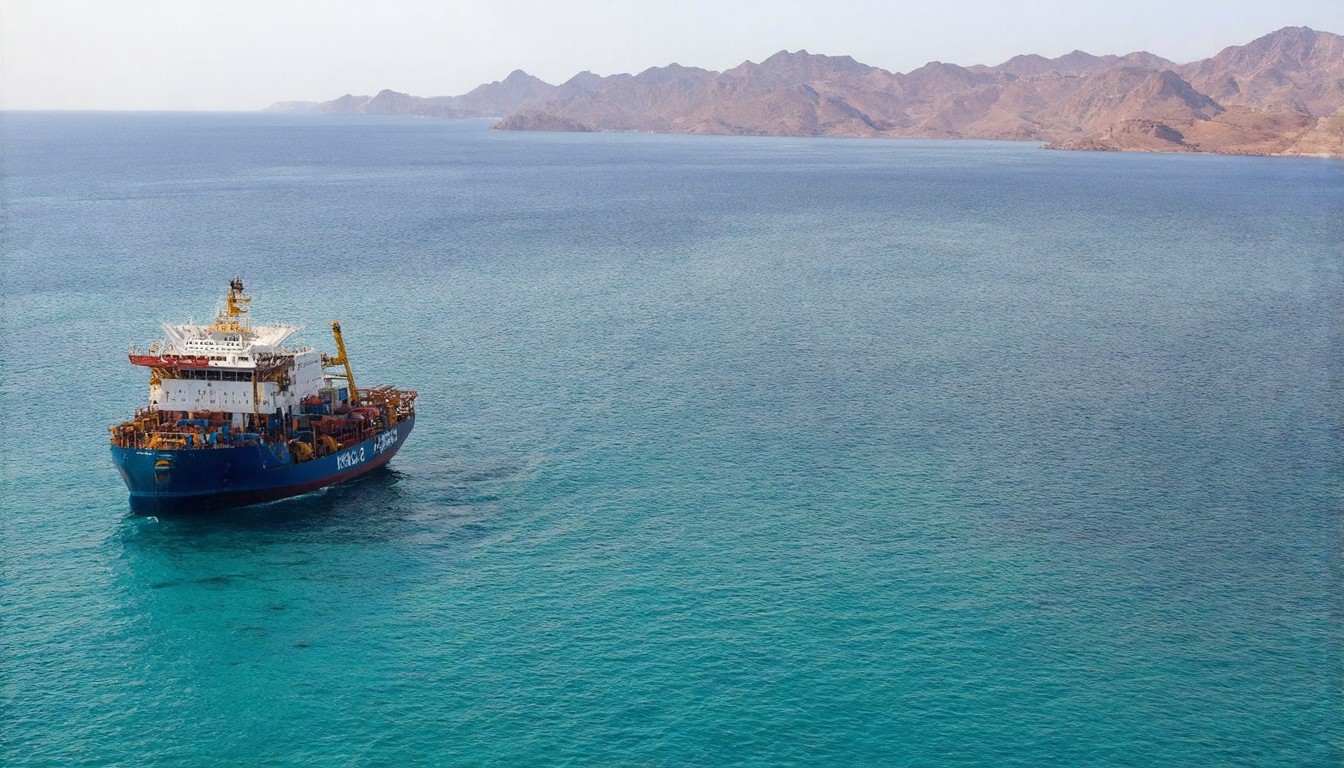
Citrini Research, known for its innovative approach to market analysis, dispatched an analyst to Oman's Musandam Peninsula, a strategic location overlooking the Strait of Hormuz. From there, the analyst traveled by boat to observe shipping activity firsthand. This unprecedented fieldwork aims to provide a unique perspective on the complex dynamics of the region, which plays a pivotal role in global energy markets.
The Strait of Hormuz, a narrow waterway connecting the Persian Gulf to the Gulf of Oman, is a chokepoint for approximately 30% of global oil production. Its strategic importance is underscored by the fact that it is the only sea route through which supertankers can transport large volumes of oil from the Persian Gulf to the wider world. As such, it has long been a focal point for geopolitical tensions, with concerns about potential disruptions to oil supply fueling speculation about market prices.
Citrini Research's decision to send an analyst to the region reflects a growing trend among research firms to prioritize direct observation and experiential learning. In an era where data is increasingly reliant on remote sensing and satellite imagery, the firm's approach offers a human-centric perspective that can uncover nuances often missed by technology. The analyst's firsthand account of shipping activity, interactions between vessels, and the overall atmosphere of the strait is expected to provide valuable insights into the operational realities of maritime trade in this critical area.
The analyst's journey began in Musandam, a peninsula that juts into the Strait of Hormuz and is part of Oman. From there, the analyst boarded a small vessel, navigating the busy waters to observe the comings and goings of commercial and military vessels. This immersive experience allowed the analyst to witness the intricate dance of tankers, cargo ships, and naval forces that traverse the strait daily.
The analyst's observations will be crucial in helping Citrini Research assess the potential risks and opportunities in the region. By understanding the day-to-day operations and the factors that influence shipping activity, the firm aims to refine its models and predictions for the global oil market. This direct engagement with the region also positions Citrini Research to offer more informed advice to its clients, who are increasingly concerned about the geopolitical risks associated with oil supply chains.
Citrini Research's move to the Strait of Hormuz is not without its challenges. The region's volatile political landscape, marked by ongoing tensions between Iran and its neighbors, presents significant risks to those operating in the area. However, the firm's analyst was able to conduct their observations without incident, thanks to careful planning and local partnerships.
The insights gained from this unique fieldwork will be integrated into Citrini Research's ongoing analysis of global energy markets. By combining firsthand experience with data-driven insights, the firm hopes to deliver a more comprehensive understanding of the factors that drive oil prices and supply. This approach not only enhances the accuracy of market forecasts but also provides clients with a deeper appreciation of the complexities involved in the global oil trade.
In a world where information is power, Citrini Research's decision to send an analyst to the Strait of Hormuz is a testament to the value of direct engagement and experiential learning. By challenging traditional research methods and embracing unconventional approaches, the firm is poised to offer unique insights that can inform strategic decisions for its clients. As tensions in the region continue to mount, the lessons learned from this mission will be invaluable in navigating the complexities of the global oil market.