
UPS sets limits on driver buyouts in deal with Teamsters union
The carrier has agreed to cap the number of buyout payments to 7,500 drivers under a program it says has received "strong interest across the country."
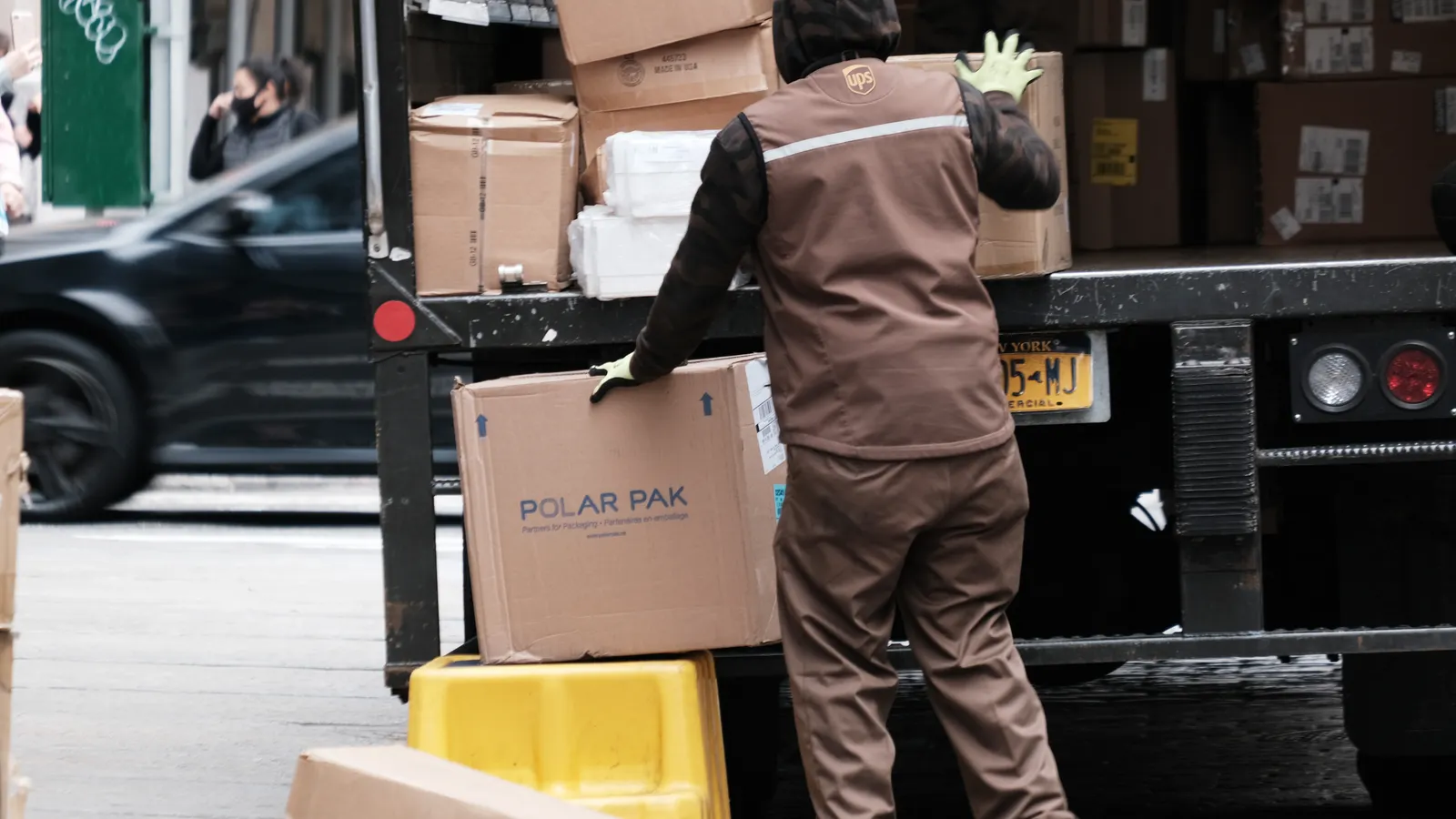
UPS, one of the largest logistics and transportation companies in the world, has recently announced a significant development in its relationship with the Teamsters union. The company has agreed to limit the number of buyout payments to 7,500 drivers under a program that has reportedly generated strong interest across the United States. This move comes as UPS seeks to balance its operational needs with the demands of its workforce, while also addressing the union's concerns.
The buyout program, which allows eligible drivers to transition out of their roles with a financial incentive, has been a point of contention between UPS and the Teamsters union. The union has been vocal about its opposition to the program, arguing that it undermines job security and could lead to overworked employees and reduced safety standards. In response to these concerns, UPS has decided to impose a cap on the number of buyouts, aiming to ensure a stable workforce and maintain the quality of its services.
The decision to limit the buyouts to 7,500 drivers reflects the company's assessment of the program's popularity. UPS has stated that it has received "strong interest across the country," indicating that many drivers are eager to participate in the buyout program. By capping the number, UPS aims to manage the transition process more effectively and ensure that the remaining drivers are well-supported.
The buyout program itself has been a contentious issue for several years. Critics argue that it is a way for UPS to reduce labor costs and avoid potential union negotiations, while proponents maintain that it provides drivers with a voluntary opportunity to leave the industry with financial security. The cap on buyouts is expected to ease tensions between UPS and the Teamsters union, as it demonstrates a commitment to managing the program responsibly.
The impact of this decision on UPS's workforce and operations is yet to be seen. With a limited number of buyouts, the company may need to explore alternative strategies to address driver turnover and ensure that its operations remain efficient. Additionally, the decision could influence the broader labor market, as other companies might be encouraged to adopt similar programs.
The Teamsters union has not yet released an official statement on the cap, but it is likely that the union will view this move as a step in the right direction. By limiting the buyouts, UPS is demonstrating a willingness to engage in constructive dialogue with the union and address its concerns about worker safety and job security.
In conclusion, UPS's decision to cap the number of buyout payments at 7,500 drivers marks a significant development in its relationship with the Teamsters union. This move aims to balance the company's operational needs with the interests of its workforce, while also addressing union concerns about job security and safety. As the program continues, it will be important for both UPS and the union to monitor its impact and work together to ensure a stable and sustainable future for the company's drivers.









