
Up to 1.2 million people forced to flee as Israel pummels Lebanon
Families face repeated trauma as Israeli attacks displace nearly 1.2 million, many for the second time in recent months.
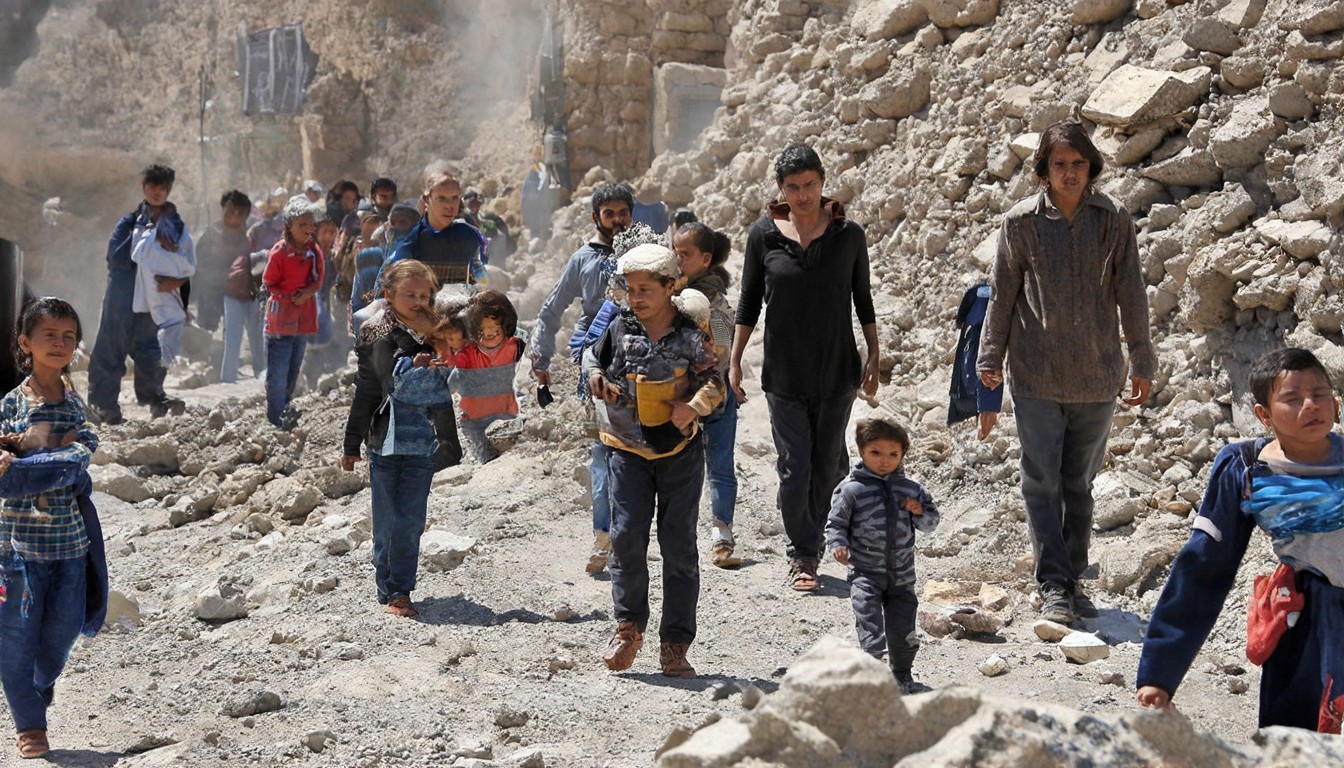
As the conflict between Israel and Lebanon intensifies, up to 1.2 million people have been forced to flee their homes, with many experiencing displacement for the second time in recent months. This alarming figure underscores the humanitarian crisis unfolding in the region, as families grapple with the psychological and logistical challenges of repeated displacement.
The Israeli military has launched a series of airstrikes and ground offensives into Lebanon, targeting what it claims are Hezbollah positions and other militant infrastructure. However, the attacks have also resulted in widespread destruction of civilian areas, leading to a massive exodus of Lebanese citizens. Many of those displaced are from the southern regions of Lebanon, which have been particularly hard-hit by the conflict.
The United Nations has expressed deep concern over the escalating situation, with officials warning that the displacement of such a large number of people could lead to severe humanitarian consequences. The agency has reported that Lebanon's already strained resources are being further stretched, as the government and aid organizations struggle to provide adequate support to the displaced population.
For those who have been displaced multiple times, the trauma of repeated uprooting is compounding. Families who managed to return to their homes after the first wave of displacement are now facing the harrowing experience of fleeing once again. This cycle of displacement not only disrupts daily life but also has long-term psychological effects on individuals, particularly children, who are left without access to education and basic services.
The Lebanese government, which is already grappling with economic instability and high unemployment rates, is facing immense pressure to manage the crisis. The influx of displaced people has put a strain on existing refugee camps and communities, leading to overcrowding and a shortage of essential supplies such as food, water, and medical care.
International organizations, including the United Nations and various NGOs, are working to provide emergency assistance to those affected by the conflict. However, the scale of the crisis is vast, and resources are limited. Efforts are underway to set up temporary shelters, distribute food and medical supplies, and ensure access to clean water and sanitation facilities.
The situation in Lebanon is further complicated by the ongoing tensions between Israel and Hezbollah, which have been simmering for years. The Israeli government has justified its military actions as a response to perceived threats from Hezbollah and other militant groups. However, critics argue that the disproportionate use of force is disproportionately affecting civilians and exacerbating the humanitarian crisis.
As the conflict continues, the international community is urging all parties to exercise restraint and engage in diplomatic efforts to find a sustainable resolution. The displacement of millions of people serves as a stark reminder of the human cost of prolonged conflict and the urgent need for action to protect civilians and alleviate their suffering.
In the face of this crisis, the Lebanese people are demonstrating resilience and solidarity, but the challenges they face are immense. The international community must come together to provide the necessary support to help them endure this difficult time and rebuild their lives in the aftermath of the conflict.








