UP Man Arrested Over Suspected Terror Links, Brought To Delhi For Questioning
Delhi Police’s Special Cell has detained a man from UP after his name surfaced in a terror-related investigation.
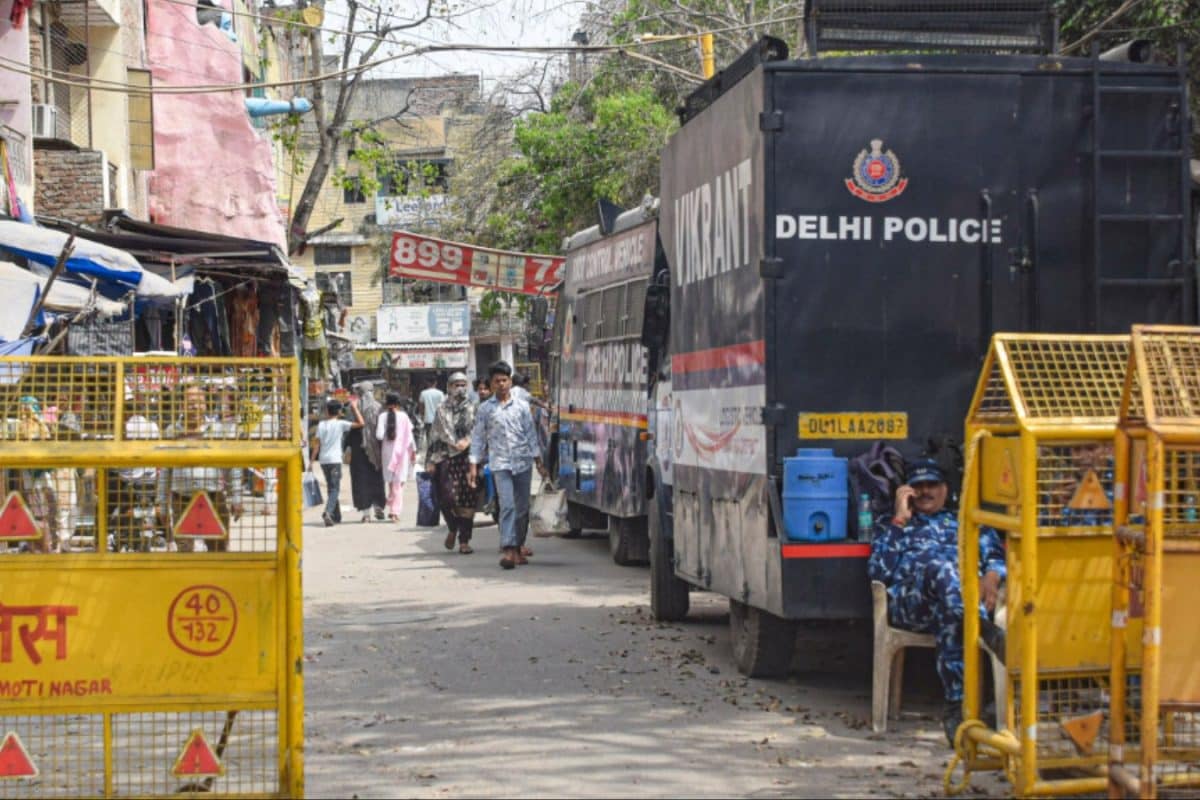
Delhi Police’s Special Cell has detained a man from the Indian state of Uttar Pradesh (UP) after his name surfaced in a terror-related investigation. The arrest, which took place in the early hours of the morning, is part of an ongoing operation by the agency to uncover a network linked to extremist activities. The man, whose identity has not been disclosed, was apprehended in his home in a residential area of the city of Lucknow, the capital of UP.
According to officials, the individual’s name was found in a list of suspects that came to light during a recent raid on a suspected terrorist hideout in Delhi. The raid, which took place last week, resulted in the seizure of substantial evidence, including documents, electronic devices, and weapons. The discovery of the man’s name in this context prompted the Special Cell to initiate a thorough investigation into his activities and connections.
The detainee is currently being brought to Delhi for further questioning. The Special Cell is expected to conduct a series of interrogations to gather more information about the suspected network, its objectives, and any potential threats it may pose. The agency is also working closely with intelligence agencies to verify the authenticity of the information and to ensure that all leads are thoroughly explored.
This arrest follows a series of heightened security measures in the capital, which have been in place since the discovery of the terrorist network. The Special Cell has been at the forefront of these efforts, working tirelessly to prevent any acts of terrorism from occurring. The recent raid and subsequent arrest are seen as significant steps in this ongoing battle against extremism.
Uttar Pradesh has a history of being a breeding ground for terrorism, with several high-profile cases linked to the state in recent years. The Special Cell’s operation is part of a broader strategy to tackle the root causes of extremism, including socio-economic factors and religious tensions. The arrest of the man from UP is a testament to the agency’s commitment to maintaining security and stability in the region.
The detainee’s family has expressed concern about his well-being and has requested that the authorities handle the situation with due care. They have also demanded transparency regarding the charges against him and the evidence that led to his arrest. The Special Cell has assured the family that all procedures will be followed according to the law, and that their concerns will be addressed in due course.
The arrest has sparked discussions among security experts and analysts about the extent of the terrorist network and its potential reach. Some experts have suggested that the network could be linked to international terrorist groups, while others believe it to be a localized cell with limited capabilities. The Special Cell is expected to release more information once the investigation is complete.
In the meantime, the security situation in Delhi and UP remains under close scrutiny. Authorities have increased patrols and surveillance in key areas, particularly those known to be hotspots for extremist activities. The public has been advised to remain vigilant and report any suspicious activities to the authorities.
The arrest of the man from UP is a significant development in the ongoing battle against terrorism in India. The Special Cell’s operation serves as a reminder of the constant threat posed by extremist groups and the need for unwavering vigilance. As the investigation progresses, it will be crucial to determine the full extent of the network and to take appropriate action to dismantle it.
The detainee’s arrest also highlights the challenges faced by law enforcement agencies in India in their fight against terrorism. The complex nature of the issue, coupled with the need for sensitive handling of intelligence, requires a delicate balance between security and civil liberties. The Special Cell’s actions must be carefully scrutinized to ensure that they uphold the rule of law while effectively combating terrorism.
As the investigation unfolds, the focus will be on gathering concrete evidence to support the charges against the detainee. This will involve analyzing the seized documents and electronic devices, as well as conducting interviews with witnesses and other suspects. The Special Cell is expected to work closely with forensic experts to extract valuable information from the evidence.
The arrest has also prompted a reevaluation of the security measures in place in UP and Delhi. Authorities are reviewing their strategies to identify any gaps and to ensure that they are adequately prepared to respond to any potential threats. This includes enhancing intelligence-sharing mechanisms between different agencies and strengthening community engagement programs to counter extremist narratives.
The detainee’s arrest is a clear indication of the ongoing efforts by the Indian government to tackle terrorism at its source. The Special Cell’s operation is part of a broader strategy that includes intelligence gathering, proactive policing, and community engagement. The success of these efforts will depend on the ability of the government to maintain a delicate balance between security and civil liberties, while also addressing the underlying socio-economic factors that contribute to extremism.
In conclusion, the arrest of the man from UP by Delhi Police’s Special Cell is a significant development in the ongoing battle against terrorism in India. The investigation into the suspected network will be closely watched by security agencies and the public alike. The Special Cell’s actions must be carefully monitored to ensure that they uphold the rule of law while effectively combating terrorism. As the investigation progresses, it will be crucial to determine the full extent of the network and to take appropriate action to dismantle it. The detainee’s arrest serves as a reminder of the constant threat posed by extremist groups and the need for unwavering vigilance in the fight against terrorism.