Unseasonal Rain Cools Cities But Farmers Bear The Brunt As Erratic April Weather Damages Crops
Rabi crops are sown between October and December and harvested in the spring months of March and April.
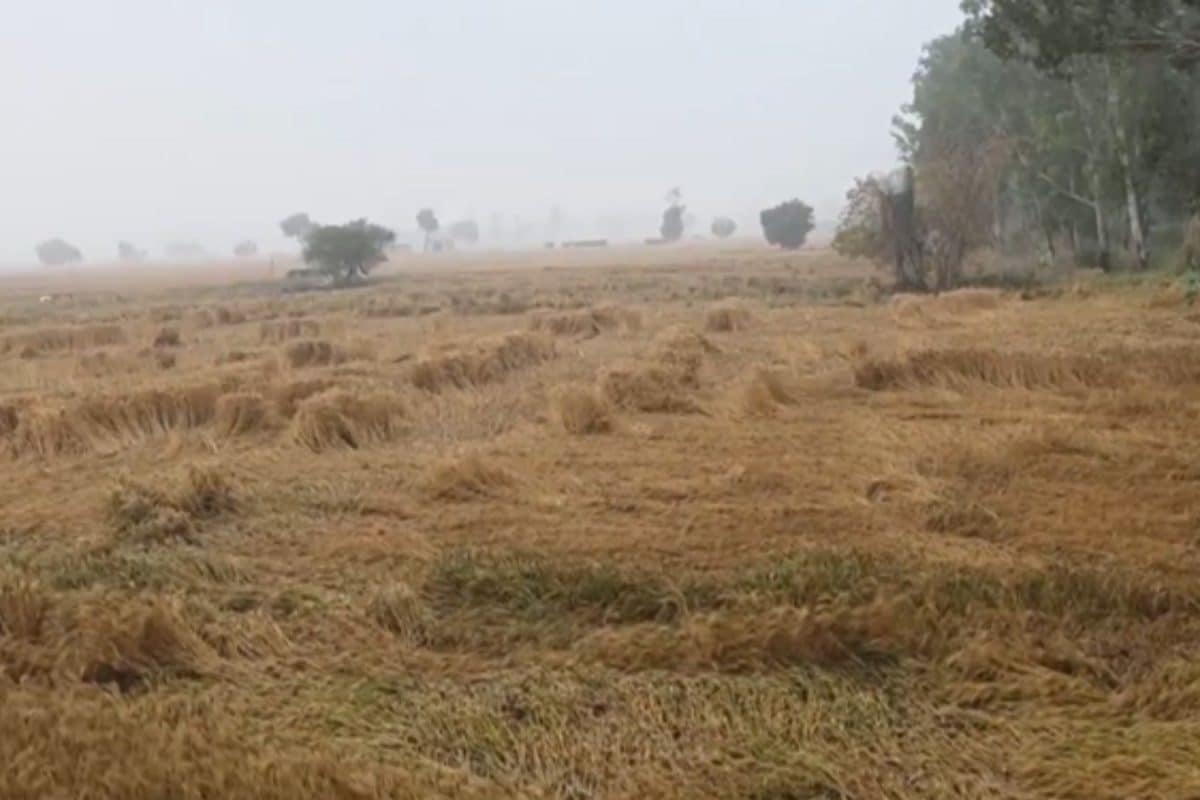
In recent weeks, the erratic weather patterns of April have brought both relief and hardship to different regions. While unseasonal rain has cooled urban areas, providing much-needed respite from the relentless heat, farmers across the country are grappling with the consequences of this sudden shift in weather. The unpredictable conditions have damaged rabi crops, which are sown between October and December and harvested in the spring months of March and April. This has left many farmers in a precarious position, as they face potential losses and economic challenges.
Rabi crops, such as mustard, turnips, radishes, and oilseeds, are crucial for the agricultural calendar. They are planted during the cooler months of the year, typically after the monsoon season, and are designed to mature during the warmer months. This timing allows them to take advantage of the seasonal changes, benefiting from the residual moisture from the monsoon and the gradual increase in temperature. However, the unseasonal rain and cooler temperatures in April have disrupted this delicate balance, leading to widespread crop damage.
Farmers have reported instances of crops being washed away by heavy rains, which have also led to waterlogging and root rot. In some areas, the sudden onset of rain has delayed the harvesting process, causing further stress on the crops. The cooler temperatures, while providing relief from the heat, have also slowed down the maturation process, making it difficult for farmers to meet their market demands.
The impact of this erratic weather is not limited to the immediate agricultural losses. Many farmers rely on the income generated from rabi crops to sustain their families throughout the year. Delays in harvest and reduced yields can lead to financial instability, forcing farmers to take on additional debts or cut back on essential expenses. This, in turn, can exacerbate food insecurity in rural areas, where livelihoods are heavily dependent on agriculture.
Government officials and agricultural experts have acknowledged the challenges faced by farmers and are working to provide support. Some states have announced measures such as crop insurance schemes and financial assistance to help farmers cope with the losses. Additionally, there are calls for improved weather forecasting and early warning systems to enable farmers to take preventive measures.
Despite these efforts, the long-term implications of such erratic weather patterns cannot be ignored. Climate change is increasingly recognized as a significant factor contributing to these unpredictable weather events. The variability in rainfall and temperature patterns is likely to continue, posing a threat to the stability of agricultural production.
Farmers are adapting to these challenges in various ways. Some are exploring alternative crop varieties that are more resistant to waterlogging and cooler temperatures. Others are investing in irrigation systems to mitigate the effects of unseasonal rains. There is also a growing interest in sustainable farming practices, such as crop rotation and organic farming, which can help build resilience in the face of climate-related risks.
The impact of unseasonal rain and erratic weather on rabi crops serves as a stark reminder of the vulnerability of the agricultural sector. While the urban populations have experienced a much-needed respite from the heat, the farmers bear the brunt of the consequences. The challenges they face highlight the need for sustainable agricultural practices and robust support systems to ensure food security and economic stability in the face of climate change.
In conclusion, the unseasonal rain and erratic weather patterns of April have brought both relief and hardship. While urban areas have experienced cooling, farmers are grappling with the damage to their rabi crops. This situation underscores the need for adaptive farming practices and government support to ensure the resilience of the agricultural sector in the face of climate change. The challenges faced by farmers are not just about immediate losses but also about building a sustainable future for rural communities. As the world continues to grapple with the impacts of climate change, the agricultural sector stands at the forefront, requiring careful attention and innovative solutions to ensure food security and economic stability.