University of Mississippi Medical Center Still Offline After Ransomware Attack
University of Mississippi Medical Center is still scrambling to respond to a ransomware attack last Thursday
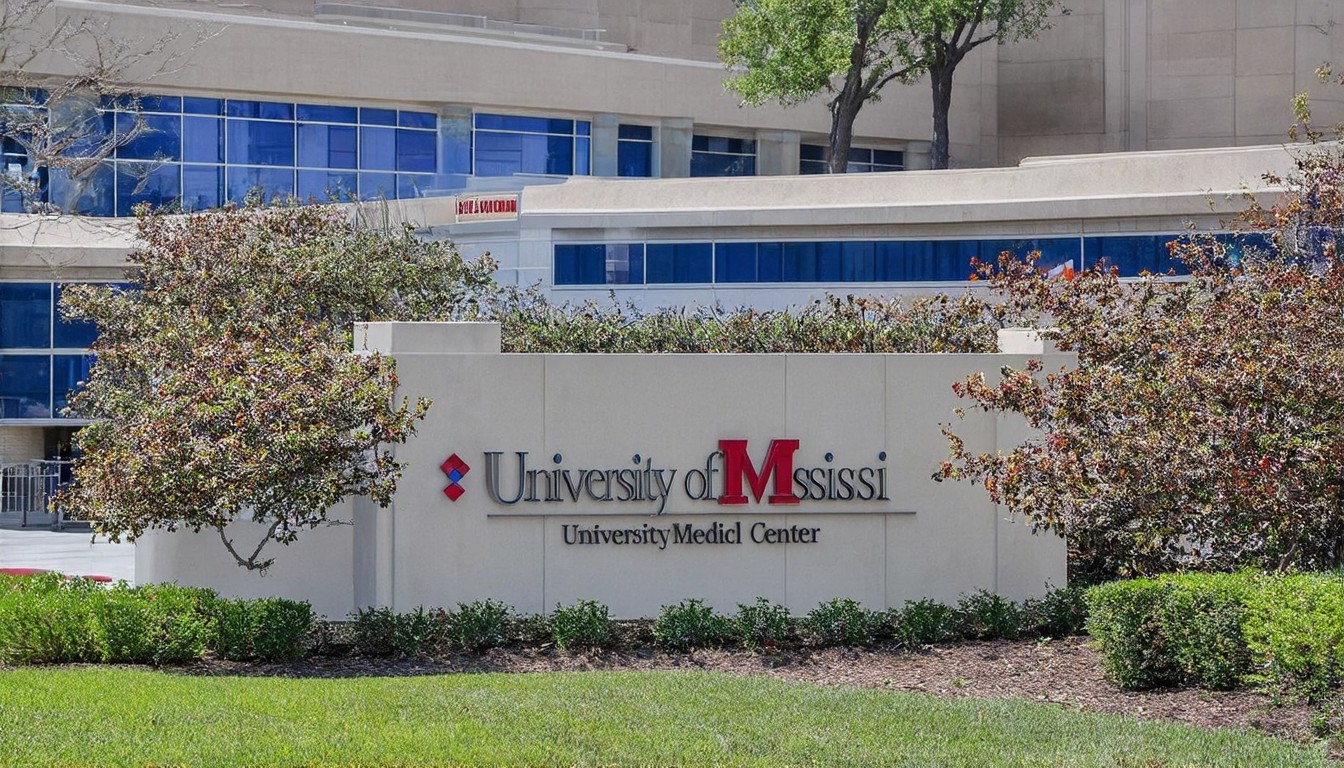
The University of Mississippi Medical Center (UMMC) continues to grapple with the aftermath of a ransomware attack that struck the institution last Thursday. The cyberattack has disrupted operations, forcing the hospital to operate on a limited basis and prompting concerns among patients and staff about the long-term impact on healthcare services.
The ransomware attack began on Thursday morning, when unidentified hackers infiltrated the UMMC's computer systems and encrypted sensitive data. This has left critical systems, including patient records and medical equipment, inaccessible to staff. In response, the hospital administration has implemented emergency measures to ensure patient safety and maintain minimal operations.
According to a statement released by the UMMC, the hospital's IT team has been working around the clock to contain the breach and restore access to critical systems. However, the complexity of the attack and the vast amount of data affected have made the recovery process challenging. The hospital has not yet disclosed the specific type of ransomware used, but it is believed to be a sophisticated variant designed to cause maximum disruption.
The UMMC has temporarily suspended non-emergency procedures and services, affecting outpatient appointments, elective surgeries, and routine diagnostic tests. Emergency departments and critical care units remain operational, but staff have reported increased workloads due to the limited availability of resources and systems. Patients requiring urgent care are being prioritized, and the hospital administration is urging non-emergency patients to reschedule their appointments.
The incident has also raised concerns about the security of patient data. The UMMC has assured the public that it is cooperating with law enforcement agencies to investigate the cyberattack and apprehend the perpetrators. The hospital has also activated its incident response plan, which includes notifying affected patients and staff about the breach and offering support to mitigate potential identity theft risks.
The ransomware attack on the UMMC highlights the growing threat of cybersecurity breaches in the healthcare sector. In recent years, hospitals and medical centers have become frequent targets for ransomware attacks, with incidents such as the 2021 Colonial Pipeline attack and the 2020 Texas Health Resources Center ransomware attack underscoring the vulnerability of critical infrastructure.
The UMMC's situation is particularly concerning given the institution's role as a major healthcare provider in the state of Mississippi. The hospital serves as a regional referral center and provides specialized care for patients across the state. The disruption caused by the ransomware attack could have long-lasting effects on the quality and accessibility of healthcare services in the region.
As the hospital continues to battle the cyberattack, community leaders and healthcare professionals are calling for increased investment in cybersecurity measures for medical institutions. Many argue that the healthcare sector must prioritize robust cybersecurity protocols to protect against future ransomware attacks and safeguard patient data.
In the meantime, the UMMC administration is urging patients and the public to remain patient and understanding as the hospital works to restore normal operations. The hospital has set up communication channels, including a dedicated email address and a hotline, for patients to inquire about their appointments and services.
The ransomware attack on the University of Mississippi Medical Center serves as a stark reminder of the critical need for healthcare organizations to bolster their cybersecurity defenses. As the hospital grapples with the aftermath of this attack, the broader healthcare community must take action to prevent similar incidents from occurring in the future.