United to Offer No-Frills Fares in Its Premium Cabins
United is introducing restrictive base fares in its most profitable cabins: premium economy and business class.
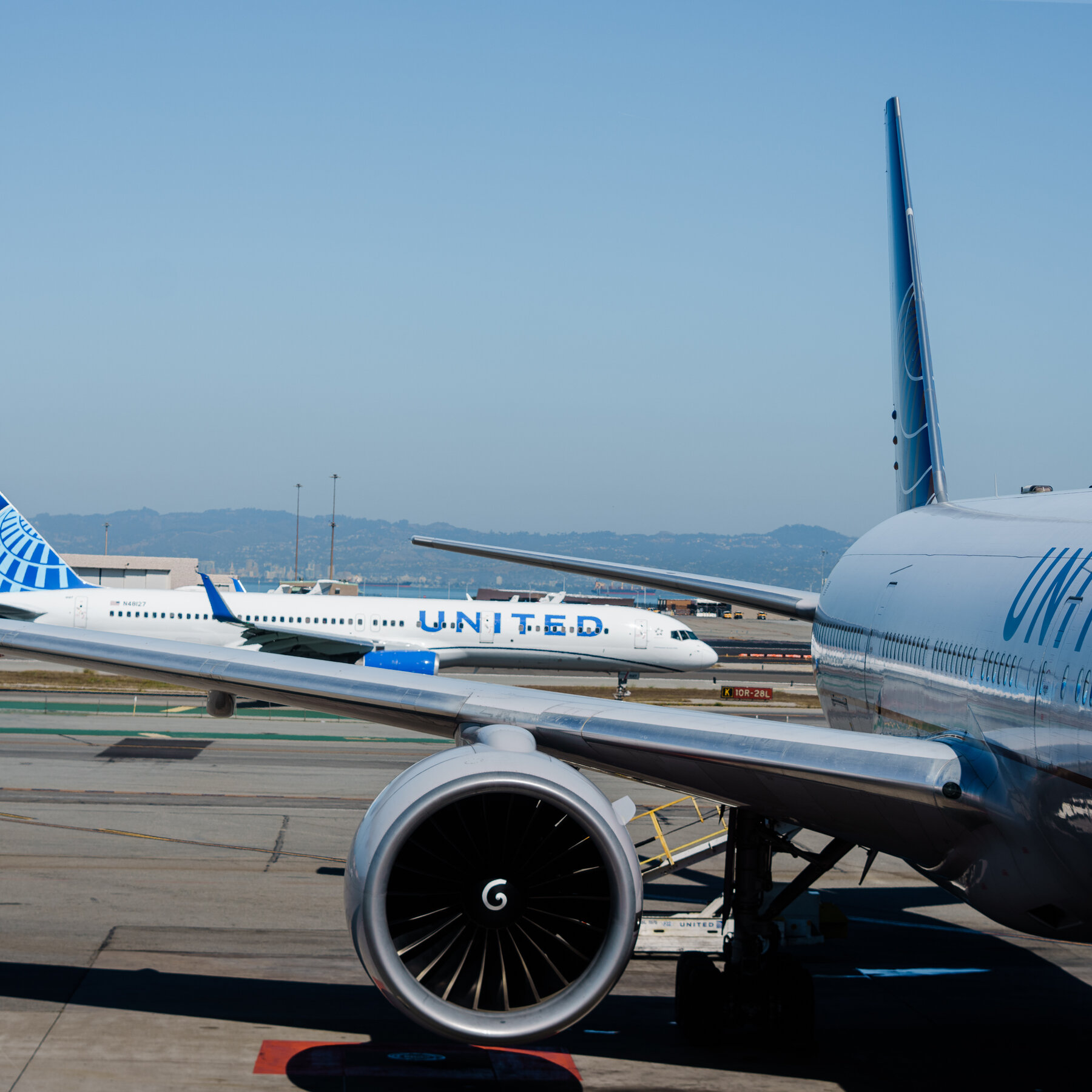
United Airlines, the second-most profitable airline in the industry, is set to introduce a new pricing model in its premium cabins, including its highly sought-after premium economy and business class seats. This move comes as the company seeks to optimize its revenue streams and adapt to the evolving travel market.
The airline's decision to offer "no-frills" fares in its most profitable cabins is a strategic response to changing consumer preferences and increased competition. United has long been known for its premium offerings, which have contributed significantly to its profitability. However, the company has faced pressure to streamline its pricing structure to better align with the current economic landscape and customer expectations.
The new base fares will be more restrictive, meaning passengers will need to pay extra for amenities that were previously included in the fare. This includes services such as in-flight meals, beverages, and entertainment. While the exact details of the new pricing model have not yet been fully disclosed, industry insiders expect that the changes will be most noticeable in the premium economy cabin, where United has traditionally offered a higher level of comfort and service.
The shift to a no-frills approach in premium cabins is not without its challenges. Some passengers may be deterred by the additional costs associated with amenities that were previously included in the fare. However, United executives argue that the new pricing model will allow the airline to offer more competitive fares while still maintaining the quality of service that its premium customers expect.
This move also reflects a broader trend in the airline industry, where airlines are increasingly focusing on cost-efficiency and revenue optimization. With the industry facing intense competition and the need to adapt to the post-pandemic travel environment, airlines are exploring new ways to maximize their revenue streams.
United's decision to introduce restrictive base fares in its premium cabins is expected to have a significant impact on its revenue and profitability. While some passengers may be concerned about the additional costs, others may see the new pricing model as an opportunity to save money while still enjoying the comfort and service of a premium cabin.
In the coming months, it will be interesting to see how United's new pricing strategy is received by its customers and how it affects the airline's overall performance. As one of the largest and most profitable airlines in the industry, United's decisions can have a significant impact on the broader market, and this latest move is likely to be closely watched by industry analysts and competitors alike.
In conclusion, United Airlines' introduction of no-frills fares in its premium cabins represents a strategic effort to adapt to changing market conditions and optimize its revenue streams. While the new pricing model may face some resistance from passengers accustomed to inclusive fares, it also presents an opportunity for cost-conscious travelers to enjoy premium service at a more affordable price point. As the airline continues to navigate the complexities of the modern travel industry, this move is likely to be just one of many steps in its ongoing quest to maintain its position as a leader in the industry.