
United to Offer No-Frills Fares in Its Premium Cabins
United is introducing restrictive base fares in its most profitable cabins: premium economy and business class.
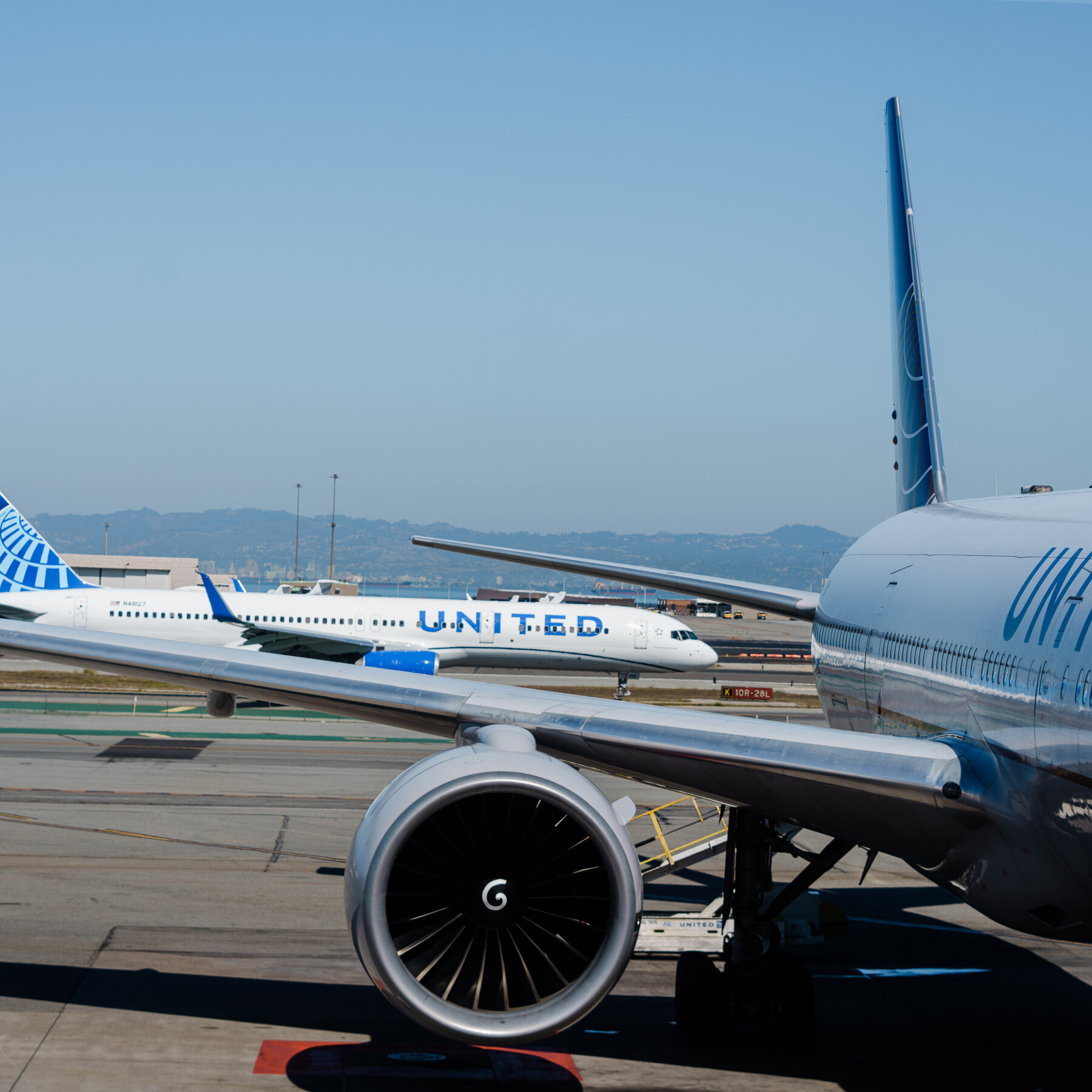
United Airlines, the second-most profitable airline in the industry, is set to introduce a new pricing model in its premium cabins, including its highly sought-after premium economy and business class seats. This move comes as the company seeks to optimize its revenue streams and adapt to the evolving travel preferences of its customers.
The airline's decision to offer "no-frills" fares in these premium cabins is a significant departure from its current approach. Historically, United has been known for providing a premium experience in these sections, with amenities such as enhanced seating, gourmet meals, and dedicated lounges. However, the new pricing strategy will strip away some of these perks, offering a base fare that includes only the most basic services.
The rationale behind this move is rooted in the airline's financial performance. United's profitability has been largely driven by its premium cabins, which have consistently generated high revenue. By introducing restrictive base fares, the airline aims to increase the number of passengers in these cabins, thereby boosting overall occupancy rates and maximizing revenue per seat.
This strategy is not without its challenges. Critics argue that the reduction of amenities in premium cabins could lead to a decline in customer satisfaction and loyalty. However, United's executives believe that the value proposition of the base fares, combined with the convenience of booking and the airline's extensive network, will appeal to a broad range of travelers.
The introduction of no-frills fares in premium cabins is part of a broader trend in the airline industry. As competition intensifies and passengers become more price-sensitive, airlines are increasingly adopting flexible pricing models to cater to diverse traveler needs. United's move is a direct response to this dynamic market environment, as the airline strives to maintain its competitive edge.
Despite the potential drawbacks, United's strategy could prove successful. The airline's strong brand recognition and extensive global network are likely to attract passengers willing to trade off some amenities for a lower fare. Moreover, the airline can still generate additional revenue through optional add-ons, such as upgraded meals or priority boarding, which can be marketed as premium extras.
In conclusion, United Airlines' decision to offer restrictive base fares in its premium cabins represents a strategic shift in its pricing model. While this move may face initial resistance from some customers, it is a calculated effort to enhance profitability and adapt to the changing travel landscape. As the airline continues to innovate and respond to market demands, the impact of this new pricing strategy will be closely watched by industry analysts and travelers alike.









