United Raises Bag Fees, Following JetBlue’s Lead as Fuel Costs Soar
As the war in Iran strains U.S. airlines, JetBlue and United are now charging up to $10 more for checked bags on domestic flights. More carriers could follow.
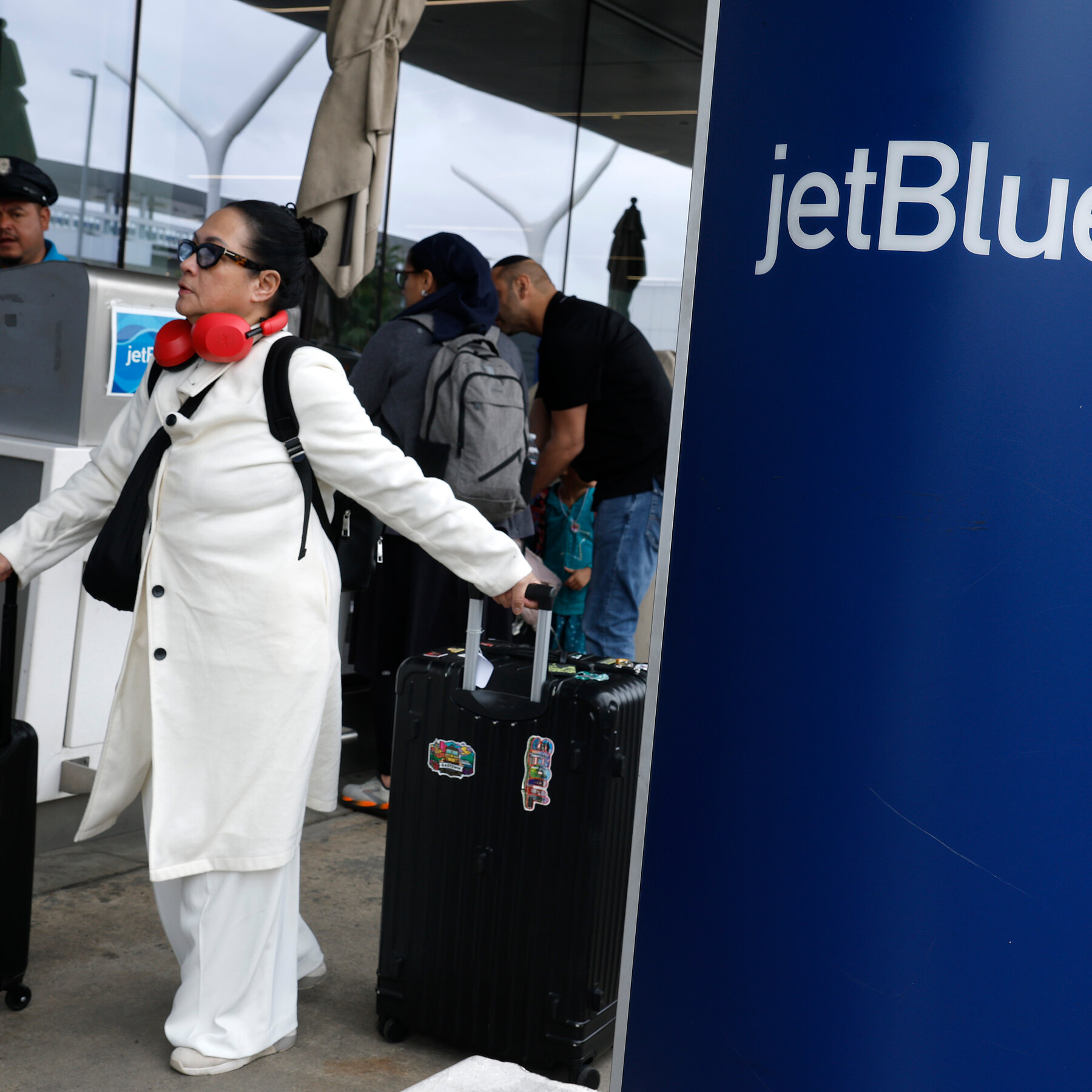
As tensions in the Middle East escalate, the war in Iran has put significant pressure on the U.S. aviation industry. With fuel costs soaring, airlines are forced to adapt their pricing strategies to manage their operating expenses. Recently, JetBlue and United Airlines have taken the lead in raising bag fees on domestic flights, with more carriers likely to follow suit in the near future.
JetBlue Airways was among the first U.S. airlines to announce the increase in bag fees, citing the war in Iran as a primary factor driving up fuel costs. The move comes as the airline industry grapples with the impact of geopolitical instability on global oil markets. The decision to raise bag fees by up to $10 per checked bag is a direct response to the need to offset the increased expenses.
United Airlines quickly followed JetBlue's lead, also increasing its bag fees for domestic flights. The airline stated that the hike was necessary to help cover the rising costs of fuel and other operational expenses. Both airlines have emphasized that the increases are temporary, designed to help them navigate the current challenging environment.
The decision to raise bag fees has not gone unnoticed by other U.S. carriers. With fuel prices expected to remain high in the near term, it is likely that more airlines will be forced to consider similar measures. The industry is closely monitoring the situation in Iran and the potential for further disruptions in global oil markets.
The bag fee hikes have been met with mixed reactions from passengers. While some understand the need for airlines to adjust their pricing strategies in the face of rising costs, others express frustration and concern about the impact on affordability. Many travelers are now looking for alternative options, such as carry-on bags or choosing flights with more flexible baggage policies.
The situation in Iran has highlighted the vulnerability of the airline industry to geopolitical events and their impact on fuel prices. As airlines continue to navigate these challenges, the decision to raise bag fees is one of several strategies being employed to manage costs. The long-term effects on passenger travel and airline profitability remain uncertain, but it is clear that the industry is facing significant pressures.
In the coming months, it will be important for airlines to communicate transparently with their passengers about the reasons behind pricing changes. As more carriers consider similar measures, the focus should be on finding a balance between maintaining affordability for travelers and ensuring the financial stability of the industry. The war in Iran serves as a stark reminder of the complex interplay between global politics, oil markets, and the aviation sector.
As the situation evolves, it will be crucial for airlines to adapt their strategies while also considering the needs and concerns of their customers. The bag fee hikes by JetBlue and United Airlines are a reflection of the challenges faced by the industry, and it remains to be seen how these changes will impact the broader aviation landscape. With fuel costs likely to remain a significant concern, the decision to raise bag fees may become a more common occurrence in the near future.