United Raises Bag Fees, Following JetBlue’s Lead as Fuel Costs Soar
As the war in Iran strains U.S. airlines, JetBlue and United are now charging up to $10 more for checked bags on domestic flights. More carriers could follow.
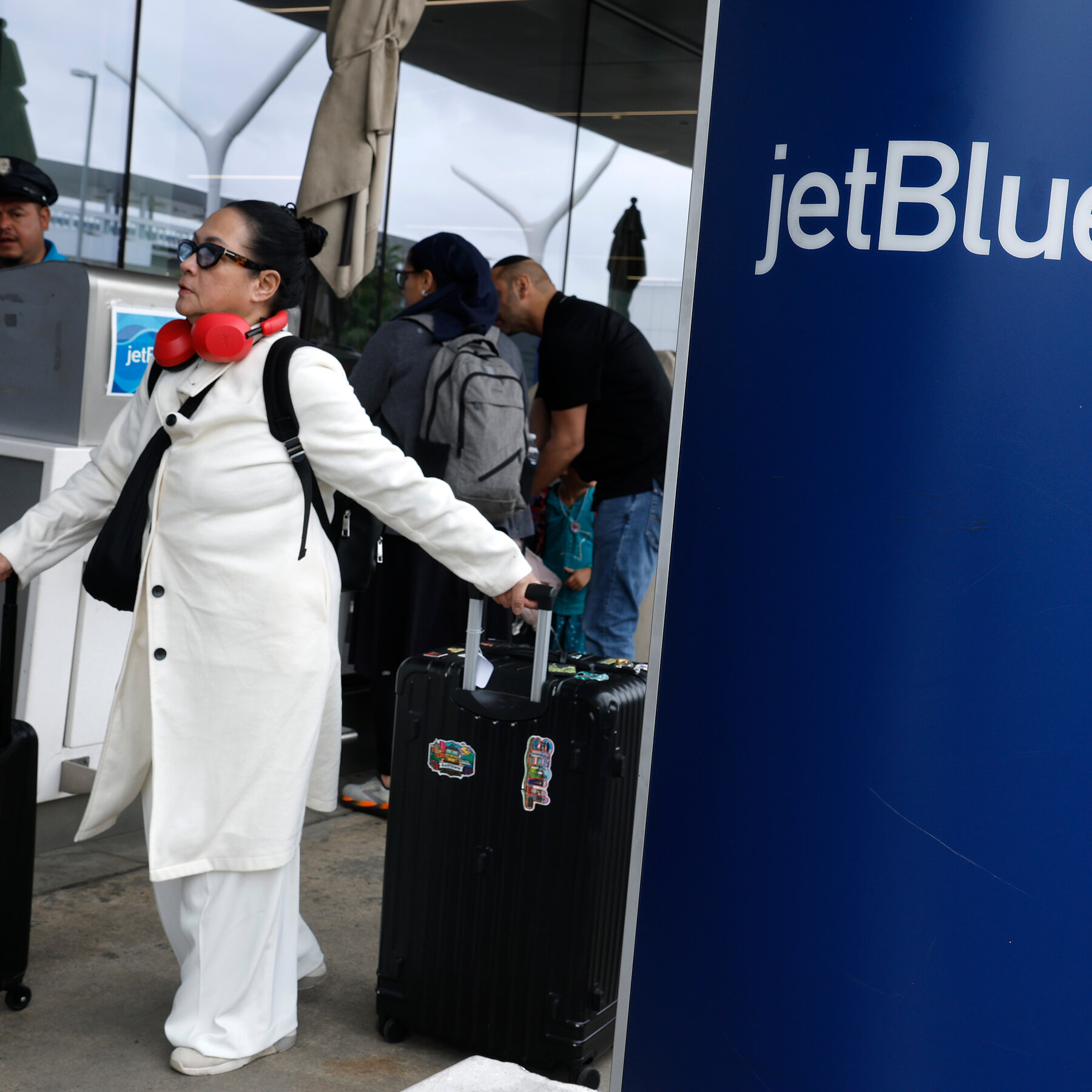
As tensions in the Middle East escalate, the war in Iran has put significant pressure on the U.S. aviation industry. With fuel costs soaring, airlines are forced to adapt their pricing strategies to manage their operating expenses. Recently, JetBlue and United Airlines have taken the lead in raising bag fees on domestic flights, with more carriers likely to follow suit in the near future.
JetBlue Airways was among the first U.S. airlines to announce the increase in bag fees, citing the war in Iran as a major factor driving up fuel costs. The move comes as the airline industry grapples with the impact of geopolitical instability on global oil markets. The decision to raise bag fees by up to $10 per checked bag was made to help offset the increased expenses, allowing JetBlue to maintain its financial stability amidst the challenging conditions.
United Airlines quickly followed JetBlue's lead, also increasing its bag fees for domestic flights. The airline's announcement came just days after JetBlue's announcement, indicating that the industry is taking collective action to address the rising costs. United's bag fee hike, which also totals up to $10 per checked bag, is a direct response to the same factors that prompted JetBlue's decision. Both airlines have emphasized that the increased fees are necessary to ensure the continued operation of their services and to maintain their competitive edge in the market.
The decision by JetBlue and United to raise bag fees is expected to have a ripple effect on the entire U.S. aviation industry. With fuel costs continuing to rise due to the ongoing conflict in Iran, other airlines may be forced to consider similar measures to protect their bottom lines. Analysts predict that more carriers will likely follow the lead of JetBlue and United in the coming weeks, as they seek to mitigate the impact of the increased expenses on their operations.
The war in Iran has not only disrupted global oil markets but has also highlighted the vulnerability of the airline industry to geopolitical tensions. The recent bag fee hikes by JetBlue and United are a stark reminder of the challenges faced by airlines in managing their costs during times of economic uncertainty. As the situation in the region evolves, it remains to be seen how the industry will adapt and whether the bag fee increases will become a permanent feature of air travel in the United States.
In the meantime, passengers can expect to see a shift in pricing strategies across the board, as airlines adjust to the new financial landscape. While the bag fee hikes may be an inconvenience for travelers, they are a necessary step for airlines to ensure the sustainability of their services in the face of escalating fuel costs. As more carriers consider similar moves, it is crucial for consumers to stay informed about the latest pricing changes and plan their travel accordingly.
The situation in the Middle East continues to pose significant challenges for the U.S. aviation industry, and the recent bag fee hikes by JetBlue and United are a direct consequence of these challenges. With fuel costs expected to remain high, the industry is likely to see further adjustments in pricing strategies in the coming months. As airlines navigate these uncertain times, the focus will remain on maintaining the quality of service while ensuring the financial stability of the sector.