United Airlines hikes checked bag fee by $10 as fuel prices continue to climb
United Airlines became the second U.S. carrier in a week to raise check bag fees as the industry grapples with a more than 80% jump in jet fuel costs.
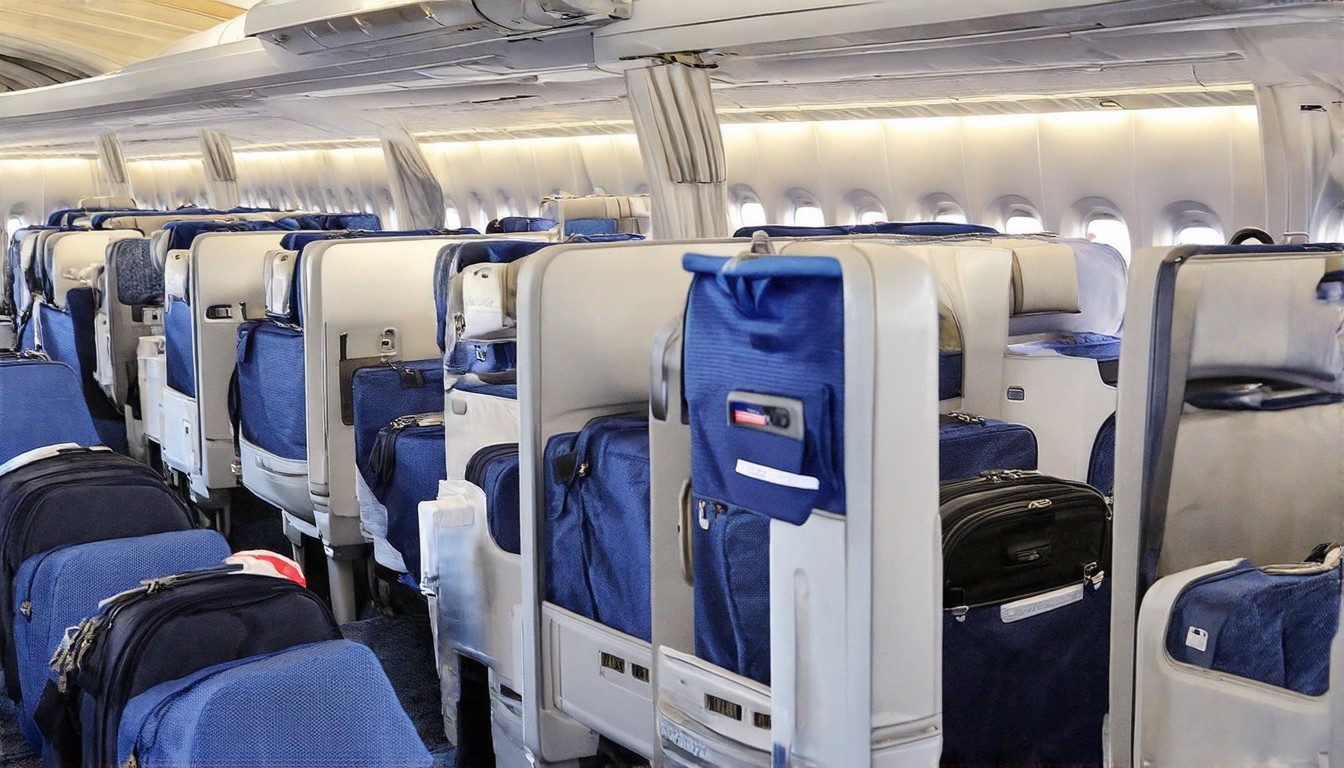
United Airlines recently announced a significant increase in its checked bag fees, adding $10 to the existing charges. This move comes as the airline industry continues to grapple with the escalating costs of jet fuel, which have risen by more than 80% in recent months. United is not alone in this decision; it follows Delta Air Lines, which also raised its checked bag fees just a few days prior.
The decision to hike checked bag fees is a direct response to the unprecedented surge in jet fuel prices. Experts attribute this increase to a combination of factors, including geopolitical tensions, reduced oil production, and heightened global demand for aviation fuel. These factors have created a tight supply situation, driving up prices and forcing airlines to reevaluate their pricing strategies to maintain profitability.
United Airlines' announcement comes as a surprise to many passengers, who may have been accustomed to the previous rates. The airline has not provided specific details on how the fee increase will be communicated to customers, but it is expected that ticket prices and ancillary fees will be adjusted accordingly. This move could potentially impact travel plans for budget-conscious travelers, who may be forced to reconsider their options or seek alternative transportation methods.
The recent spike in jet fuel costs has been a major concern for the airline industry, as it directly impacts operational expenses. Airlines must balance the need to cover these rising costs with the desire to remain competitive in the market. Raising checked bag fees is one way to offset the financial burden, but it is not without its challenges. Airlines must carefully consider the potential backlash from customers who may perceive this as an unfair additional charge.
In the broader context of the airline industry, this trend of increased fees is likely to continue as long as jet fuel prices remain high. Other airlines may follow suit, leading to a shift in how passengers are charged for services that were previously considered standard. This could ultimately reshape consumer expectations and travel patterns, as more travelers seek out budget-friendly alternatives.
Despite the challenges posed by the rising fuel costs, airlines like United are determined to navigate this difficult period. By adjusting their pricing strategies, they aim to ensure the financial stability of their operations while continuing to provide reliable and affordable travel options for passengers. However, the long-term effects of these fee increases on consumer behavior and the overall airline industry remain uncertain.
In conclusion, United Airlines' decision to hike checked bag fees by $10 is a direct consequence of the industry's struggle to manage the more than 80% increase in jet fuel costs. As the airline industry continues to grapple with these unprecedented challenges, airlines must find ways to balance their financial needs with customer satisfaction. The recent trend of increased fees is likely to persist, potentially reshaping the travel landscape and influencing consumer choices in the coming months and years.