Bittu Eyes Punjab 2027 Assembly Polls, Shifts Political Focus
Union Minister Ravneet Singh Bittu has reportedly announced his intention to contest the 2027 Punjab Assembly elections, signaling a significant shift from national to state politics.
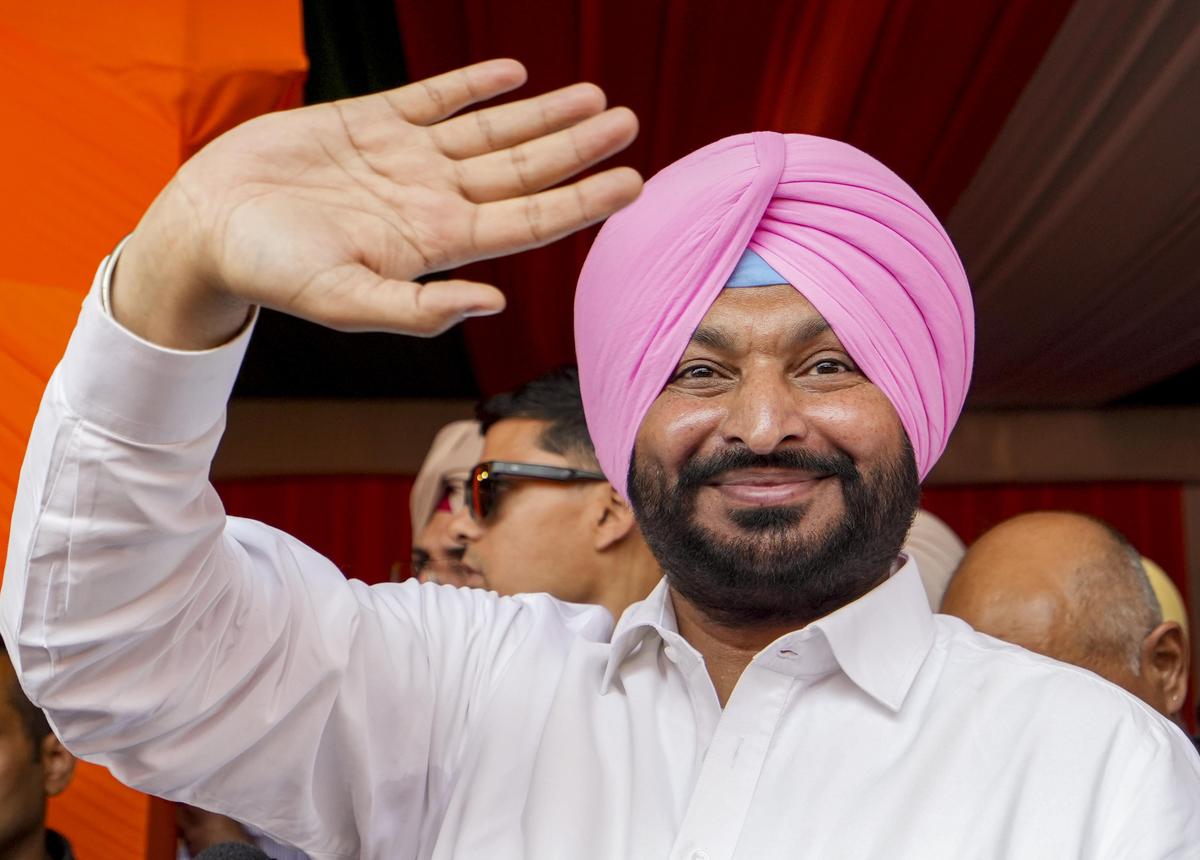
Union Minister Ravneet Singh Bittu has reportedly indicated his intention to contest the 2027 Punjab Assembly elections, signaling a significant shift in his political focus towards his home state. This reported announcement suggests a strategic reorientation from national responsibilities to direct engagement with state-level electoral politics. Such a move by a prominent Union Minister naturally draws considerable attention, prompting discussions about its potential implications for both Bittu's political trajectory and the broader dynamics of Punjab as it prepares for the next electoral cycle. The declaration, according to reports, underscores a potential desire for a more hands-on role in state governance.
As a Union Minister, Ravneet Singh Bittu holds significant national influence, contributing to federal policy-making. A reported shift from this high-profile platform to state assembly elections is often interpreted as a deliberate strategic choice. It could strengthen his party's presence in a key state or directly address regional concerns. This pivot might signify a desire to leverage national experience for state-specific challenges, playing a more immediate role in Punjab's governance. The transition, while not unprecedented, comes with unique considerations and expectations from the electorate, demanding a different approach to public engagement.
Punjab, a state of immense historical and strategic importance, occupies a unique position within India's federal structure. Renowned for its rich agricultural heritage and critical border location, its political landscape is consistently dynamic and fiercely contested. Assembly elections in Punjab are typically high-stakes affairs, reflecting the aspirations, economic concerns, and cultural identities of its diverse populace. The state has witnessed various political realignments, with voters demonstrating keen awareness of local issues and governance. For any political party, securing a strong mandate in Punjab is crucial for both state administration and broader national influence. The upcoming 2027 elections are therefore anticipated to be a significant political battleground.
The reported decision by a Union Minister to contest state assembly elections carries profound implications. It could boost the party's cadre and electoral prospects in Punjab, injecting national-level leadership. Such a move might signal the party's serious intent for a strong showing in 2027, positioning a prominent figure at the campaign's forefront. It could also reshape the competitive landscape, introducing new dynamics among state-level leaders. Observers note that a national figure entering state politics can elevate discourse and bring a different perspective to local issues, influencing voter perception and engagement. This shift might be a strategic effort to consolidate power or address specific political challenges in the state.
While the 2027 Assembly elections are some time away, political preparations often commence much earlier. Leaders and parties typically assess public sentiment, identify key issues, and formulate strategies well in advance. Union Minister Bittu's reported announcement, if confirmed, places him in the early stages of this preparatory phase. This allows ample time to connect with constituents, understand local grievances, and articulate a comprehensive vision for the state. The period leading up to state elections is characterized by intense political activity, including rallies, debates, and grassroots outreach. The 2027 Punjab elections are expected to be no different, with entities meticulously planning their approach to gain the electorate's trust.
Various strategic reasons might prompt a Union Minister to shift focus to state politics. A primary motivation could be to strengthen the party's base and leadership at the state level, especially if an experienced face is deemed necessary. Another reason could stem from personal ambition to play a more direct executive role in state governance, where policy impact is felt immediately. Such a move might also address specific regional challenges or leverage a strong local connect. Analysts suggest leaders sometimes move to state politics to rejuvenate careers, build new power bases, or prepare for future national roles by demonstrating effective state leadership. Bittu's reported decision could thus be viewed through multiple strategic lenses.
State assembly elections in India are crucial barometers of public sentiment, pivotal in shaping the national political narrative. Distinct from parliamentary elections, they focus intensely on local governance, state-specific development, and regional identities. Outcomes can significantly influence national parliamentary power, impact policy, and test new political ideologies. For a Union Minister to reportedly shift focus to such an arena underscores state politics' growing importance within India's democratic framework. It highlights that effective state-level governance is fundamental to national progress and stability, making these electoral contests intensely watched and highly significant.
Contesting state assembly elections presents unique challenges and opportunities, especially for a leader transitioning from a national role. Challenges include navigating complex local dynamics, understanding diverse regional aspirations, and building robust grassroots networks. State politics demands deep understanding of local issues, from agriculture to urban development, and personal voter connection. However, it offers significant opportunities for direct impact and visible governance. A leader with national experience can bring a broader perspective to state issues, potentially attracting investments, implementing innovative policies, and fostering development. The opportunity to directly shape the future of one's home state is often a powerful motivator.
Union Minister Ravneet Singh Bittu's reported announcement to contest the 2027 Punjab Assembly elections marks a potentially pivotal moment in the state's political landscape. This strategic pivot from national responsibilities to state-level electoral engagement signals a significant development for Punjab, a state that consistently plays a crucial role in India's political narrative. As the state gears up for the 2027 polls, all eyes will be on how this reported decision unfolds and what ramifications it holds for the political future of Punjab. The move underscores the ever-evolving nature of Indian politics, where leaders often navigate between national and state arenas to serve constituents and advance political objectives, seeking tangible differences at the grassroots.