
Unilever and McCormick are closing in on a mega deal to create a food giant
Unilever said Tuesday it had agreed a multibillion-dollar deal with US spices maker McCormick & Company to spin off most of the British group's food business, which is currently valued at $44.8bn (€38.95bn).
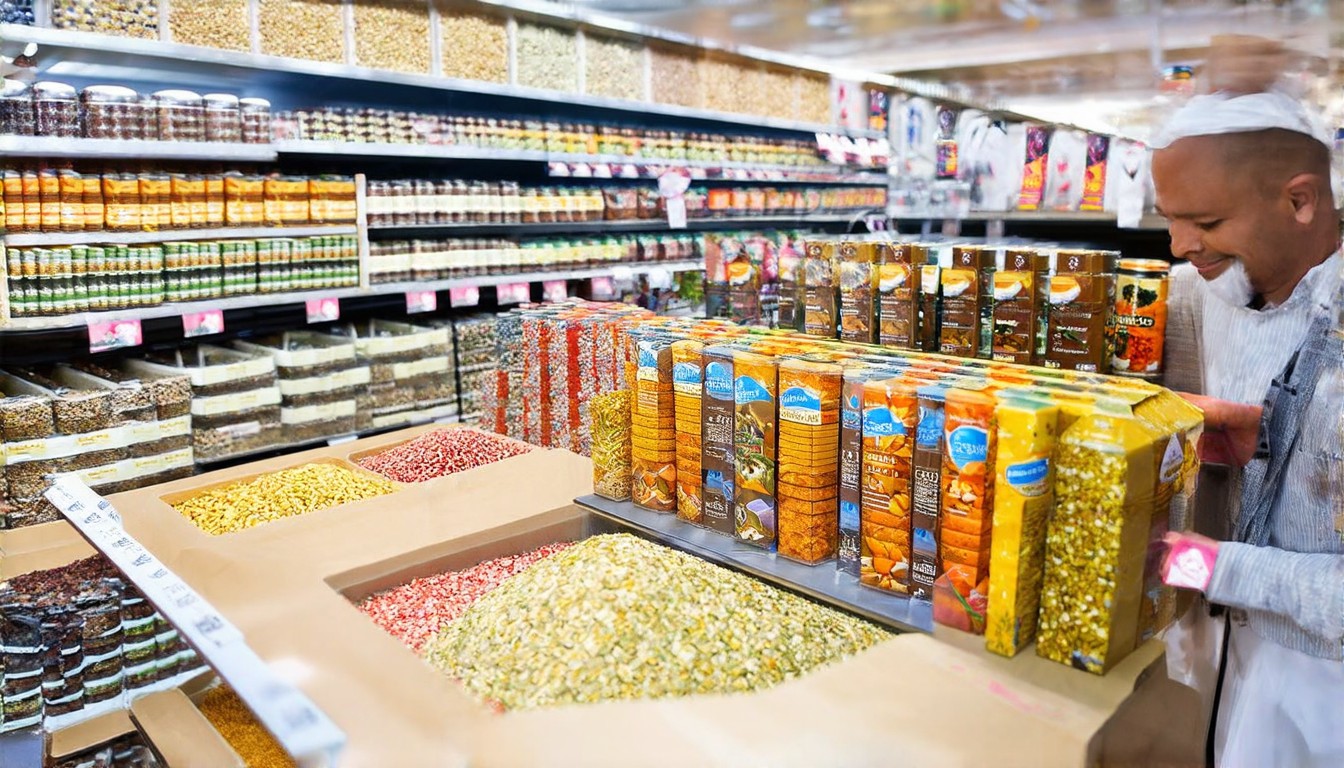
Unilever and McCormick are on the brink of a historic merger that will reshape the global food industry. The two companies have announced a multibillion-dollar deal to spin off most of Unilever's food business, currently valued at $44.8 billion (€38.95 billion), into a new entity that will be co-owned by both parties. This move is expected to create one of the largest food companies in the world, combining Unilever's extensive portfolio of food brands with McCormick's expertise in spices and seasonings.
The agreement, which has been met with significant interest from industry analysts, marks a strategic shift for both companies. Unilever, the world's largest consumer goods company, has long been known for its diverse range of products, including personal care, home care, and food. However, the company has faced increasing pressure to focus on its core areas of expertise, particularly in the face of intense competition and shifting consumer preferences. By spinning off its food business, Unilever aims to streamline its operations and invest more heavily in its personal care and home care segments, which have been performing well in recent years.
McCormick, on the other hand, has been looking to expand its global footprint and diversify its product offerings. The company, which is best known for its iconic spice and seasoning brands such as Old Bay, Dijon, and McCormick, has been keen to enter the broader food market. The deal with Unilever provides McCormick with access to a wide array of food brands, including popular items like Lipton, Knorr, and Algida, which will significantly enhance its portfolio and global reach.
The new food entity, which will be jointly owned by Unilever and McCormick, will initially focus on the food business of the original Unilever entity. This includes the company's ice cream, frozen food, and ready-to-eat meals divisions, as well as its tea, coffee, and beverage brands. The combined entity will have a strong presence in multiple markets, with a diverse range of products that cater to different consumer needs and preferences.
The deal is expected to create significant synergies for both companies. Unilever will be able to reallocate resources and capital towards its core business areas, while McCormick will benefit from the expanded product range and global brand recognition that comes with the acquisition. Analysts predict that the merger could lead to cost savings, improved efficiency, and increased market share for the new food entity.
However, the deal is not without its challenges. Regulatory approvals will be a critical factor in the success of the merger, as both companies operate in highly competitive markets. Additionally, there may be concerns about potential job losses or restructuring within the new food entity. Nevertheless, both Unilever and McCormick have expressed confidence in the potential benefits of the deal and their ability to navigate any regulatory hurdles.
This mega deal is a testament to the dynamic nature of the global food industry, where companies are constantly seeking opportunities to expand, diversify, and stay ahead of the competition. The merger of Unilever and McCormick is poised to create a formidable player in the food sector, with the potential to reshape market dynamics and influence consumer trends for years to come. As the two companies work towards finalizing the deal, the food industry is bracing itself for a significant transformation.









