
Unilever and McCormick are closing in on a mega deal to create a food giant
Unilever said Tuesday it had agreed a multibillion-dollar deal with US spices maker McCormick & Company to spin off most of the British group's food business, which is currently valued at $44.8bn (€38.95bn).
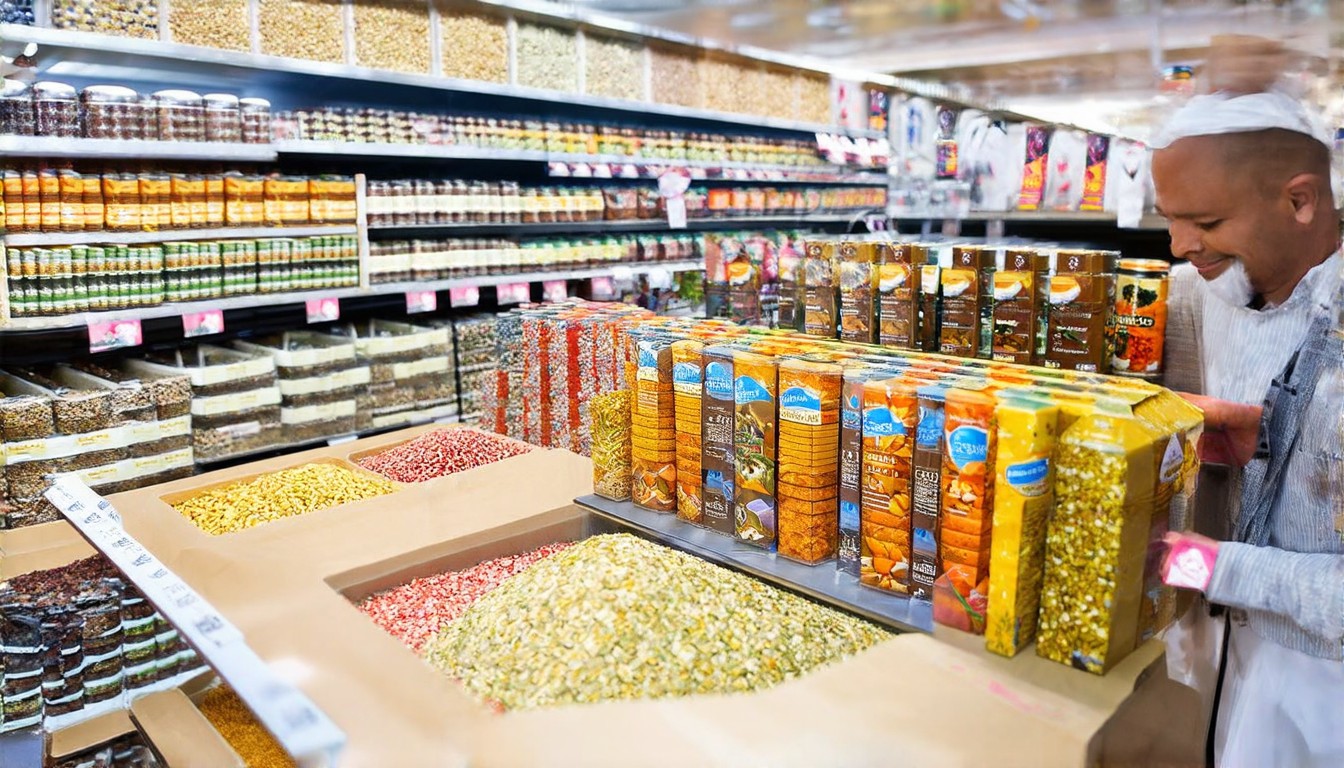
Unilever and McCormick are on the brink of a historic merger that will reshape the global food industry. The two companies have announced a multibillion-dollar deal to spin off most of Unilever's food business, currently valued at $44.8 billion (€38.95 billion), into a new entity that will be co-owned by both companies. This move is expected to create one of the largest food conglomerates in the world, combining Unilever's iconic food brands with McCormick's extensive spice and seasoning portfolio.
The agreement, which has been in the works for several months, marks a significant strategic shift for both companies. Unilever, the world's largest consumer goods company, has long been known for its diverse product range, which includes personal care, home care, and food. However, the company has been under pressure to focus on its core businesses and streamline its operations. By spinning off its food division, Unilever aims to simplify its structure and allocate resources more effectively.
McCormick, on the other hand, is a US-based spice and seasoning giant that has been looking to expand its global footprint. The acquisition of Unilever's food business will provide McCormick with access to a wide array of popular food brands, including Lipton, Knorr, and Ben & Jerry's, which will significantly enhance its product offerings and market presence.
The new food entity, which will be jointly owned by Unilever and McCormick, will initially focus on the food business in the Americas, Asia, and Europe. The deal is expected to create synergies and efficiencies by combining the two companies' operations, distribution networks, and marketing strategies. This will enable the new entity to leverage its expanded brand portfolio and reach a broader customer base.
The deal is not without its challenges. Regulatory approvals will be crucial, as the merger could lead to significant market consolidation in certain food categories. Competitors and industry analysts are closely watching the development, as the outcome could have a ripple effect on the global food industry.
Unilever and McCormick have expressed optimism about the potential of the new venture. The companies believe that the merger will create a formidable player in the food sector, capable of driving innovation and meeting the evolving consumer demands. The deal is also expected to boost shareholder value for both companies, as they focus on their respective core businesses.
In the coming months, the two companies will work closely with regulators to ensure the deal proceeds smoothly. Once finalized, the new food entity will face the task of integrating the two distinct corporate cultures and product lines. This will require careful planning and execution to ensure a seamless transition and maximize the benefits of the merger.
The Unilever-McCormick deal is a testament to the dynamic nature of the global food industry, where companies are constantly seeking opportunities to grow and diversify. As the two giants prepare to forge ahead with this historic merger, the food industry is poised to witness significant changes and new opportunities in the years to come.









