
Ukrainian refugees remain in limbo
A year after the invasion, some are desperate to return. Others are putting down new roots
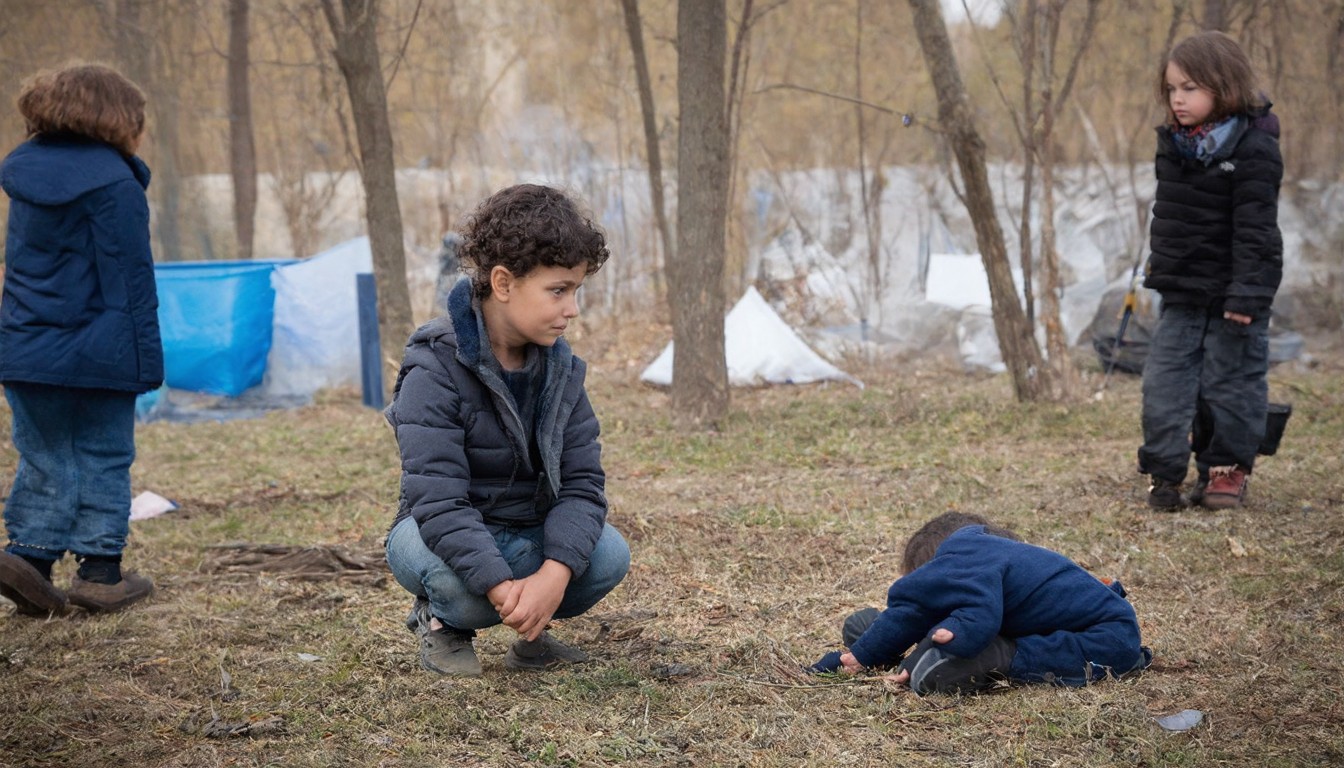
A year after the invasion of Ukraine by Russia, the lives of many Ukrainian refugees remain in a state of limbo. As the conflict drags on, some individuals are eager to return to their homeland, while others are finding new stability in host countries. The situation is complex, reflecting a mix of personal circumstances, economic realities, and the ongoing instability in Ukraine.
In the initial months following the invasion, millions of Ukrainians fled their country, seeking safety in neighboring nations like Poland, Romania, and Hungary. Many believed their exodus would be temporary, with an end to the conflict seemingly imminent. However, as the year progressed, the reality of a prolonged war became clear. For some, the decision to return home was driven by a sense of duty and a desire to rebuild their lives. Others were compelled by the need to care for aging parents or to ensure their children could continue their education in familiar surroundings.
Returning to Ukraine is not without its challenges. Many cities and towns that were once peaceful now lie in ruins, with infrastructure damaged and services disrupted. The psychological toll of the war is also significant, as survivors navigate the trauma of displacement and loss. Despite these obstacles, some Ukrainians have chosen to return, driven by a deep-seated connection to their homeland. They often face difficulties in finding employment and housing, relying on aid organizations and local communities for support.
For others, the decision to remain abroad has become a necessity. Many Ukrainian refugees have found new opportunities in host countries, particularly in Poland, which has welcomed the largest number of Ukrainian migrants. In cities like Warsaw and Lublin, Ukrainian communities have thrived, with businesses, schools, and cultural events catering to their needs. The Polish government has implemented support programs, including access to healthcare, education, and the labor market. However, challenges persist, such as language barriers and the integration of Ukrainian children into Polish schools.
In addition to Poland, other countries like the Czech Republic and Slovakia have also become destinations for Ukrainian refugees. In these nations, the focus has been on providing temporary shelter and support, while also encouraging long-term integration. The European Union has played a role in facilitating this process, with funding for refugee assistance and efforts to harmonize policies across member states.
The situation of Ukrainian refugees is further complicated by the economic impact of the war. Inflation and job market tightness in host countries have made it difficult for many to secure stable employment. This has led to a reliance on aid and a precarious existence for some. Meanwhile, in Ukraine, the economy has suffered significantly, with hyperinflation and a shortage of basic goods exacerbating the hardships faced by those who have chosen to stay.
Despite the challenges, there are signs of resilience and adaptation among Ukrainian refugees. In host countries, communities are forming, providing mutual support and creating a sense of belonging. Many have found ways to contribute to their new environments, whether through entrepreneurship or by offering their skills in fields like IT or education.
The limbo in which many Ukrainian refugees find themselves is a testament to the complexity of the humanitarian crisis sparked by the war. While some are determined to return to their homeland, others are finding new roots in unfamiliar territories. The international community continues to play a crucial role in supporting these individuals, navigating the delicate balance between providing immediate aid and fostering long-term integration. As the conflict persists, the situation of Ukrainian refugees will undoubtedly shape the region's future, highlighting the enduring impact of war on individuals and communities.









