
Ukraine’s Seed Sector During the Russian Invasion of Ukraine: Production, Exports and EU Integration
Ukraine’s seed sector faces disruption from the Russian invasion of Ukraine, including energy shortages, mined farmland, logistics barriers, and labour gaps. Despite producers maintain output, invest in infrastructure, adapt operations. Farmers sustain planting levels, while exports to the EU recover. Regulatory alignment and industry partnerships are strengthening competitiveness, positioning Ukraine as a resilient and growing player in global seed markets. The post Ukraine’s Seed Sector During the Russian Invasion of Ukraine: Production, Exports and EU Integration appeared first on Seed World .
The Russian invasion of Ukraine has placed the country’s seed sector under sustained strain, confronting it with a range of destabilizing challenges. These include an energy crisis caused by damage to infrastructure from ongoing attacks, disruptions to logistics due to port closures and restricted international routes, and labour shortages due to mobilization and migration. Roughly 137,000 square kilometres of Ukraine’s territory remain mined, much of it agricultural land. For many farms, this makes it impossible to cultivate fields or plan production over the long term. Despite these unprecedented difficulties, the country’s seed sector continues to operate, seeking out new pathways and opportunities.
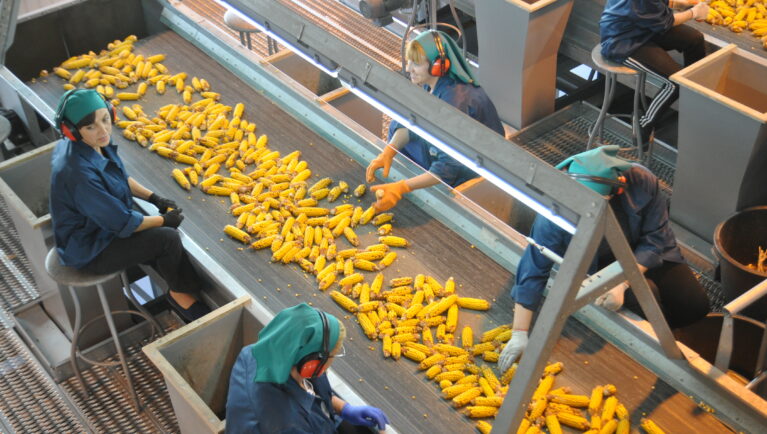
Even amid the ongoing Russian invasion, Ukraine’s seed sector continues to operate without halting production. At the Association, we are seeing investment in local seed processing plants and upgrades to equipment, along with the expansion of product lines. The seeds are produced according to international standards and undergo full-cycle quality control. Behind it all is the tireless, dedicated work of seed sector professionals at every level, from top management to entry-level staff. Siusana Gryhorenko is the executive director of the Seed Association of Ukraine (SAU). Having withstood several extremely difficult seasons, companies are now planning production with energy risks in mind and working to streamline their processes. Maintaining seed quality requires continuous processing and drying, which directly increases costs. At the same time, logistics expenses have risen, both domestically and for exports. Most producers have already adapted their operations and learned to work under the new conditions. With ongoing blackouts, they are investing in autonomous energy solutions and alternative storage methods to ensure the continuity of their operations.
The resilience of Ukraine’s seed sector is further exemplified by the ability of farmers to sustain planting levels. Despite the challenges, many have managed to maintain their production schedules, ensuring that the agricultural sector remains functional. This has been crucial in supporting both domestic consumption and the recovery of seed exports to the European Union (EU). In recent months, there has been a noticeable increase in seed exports to the EU, demonstrating the sector’s ability to adapt and find new opportunities in the face of adversity.
The alignment of Ukraine’s seed sector with European standards is another key factor in its resilience and competitiveness. Regulatory alignment has been a priority for both the Ukrainian government and the seed industry, as it allows for smoother trade relations with the EU. This has been achieved through partnerships between Ukrainian seed producers and their European counterparts, who have provided technical assistance and expertise in meeting EU requirements. Such collaborations have not only helped Ukraine’s seed sector meet the high standards of the EU market but have also strengthened its global reputation as a reliable and quality-focused player.
In addition to regulatory alignment, industry partnerships have played a significant role in bolstering Ukraine’s seed sector. Collaborations between Ukrainian seed producers and international organizations, such as the International Seed Health Partnership (ISHP), have provided valuable support in addressing challenges related to seed quality, safety, and trade. These partnerships have enabled Ukraine to access resources and expertise that have been instrumental in adapting to the disruptions caused by the Russian invasion.
The resilience of Ukraine’s seed sector is also evident in its ability to expand its global role. Despite the ongoing conflict, the country has been able to maintain and even increase its presence in global seed markets. This has been facilitated by the sector’s adaptability and its ability to find new trade routes and partners. The recovery of seed exports to the EU is a testament to this, as it demonstrates that Ukraine’s seed sector is not only resilient but also poised for growth.
In conclusion, the Russian invasion of Ukraine has posed significant challenges to the country’s seed sector, including energy shortages, mined farmland, logistics barriers, and labour gaps. However, the sector has demonstrated remarkable resilience, with producers maintaining output, investing in infrastructure, and adapting operations to the new conditions. Farmers have sustained planting levels, while exports to the EU have recovered, highlighting the sector’s ability to find opportunities in adversity. Regulatory alignment and industry partnerships have further strengthened competitiveness, positioning Ukraine as a resilient and growing player in global seed markets. As the conflict continues, the seed sector’s adaptability and resilience will be crucial in ensuring its long-term success and contribution to Ukraine’s agricultural economy.








