Ukraine ask IOC to examine ‘neutral’ status of Russian athletes at Paris Olympics, Winter Games
Sports authorities in Ukraine asked the International Olympic Committee (IOC) on Wednesday to examine the “neutral” status of Russian athletes they accused of having links to the military or competing in events that violated Olympic sanctions. The IOC allowed a limited number of athletes from Russia and Belarus to compete at the 2024 Paris Olympics and the 2026 Milano-Cortina Winter Games with no flags or anthems, subject to vetting. This included stipulations that athletes not be linked to...
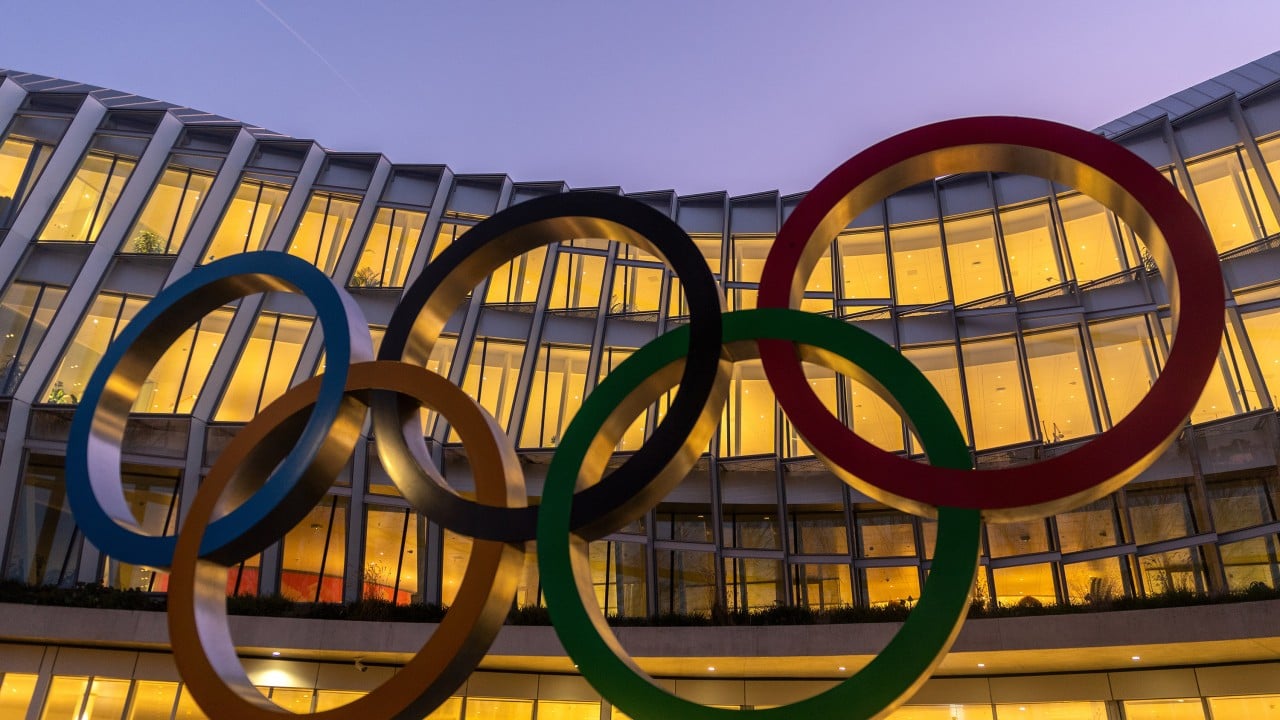
Ukraine has requested the International Olympic Committee (IOC) to re-examine the "neutral" status of Russian athletes who are set to compete in the 2024 Paris Olympics and the 2026 Milano-Cortina Winter Games. The Ukrainian authorities argue that many Russian athletes have ties to the military or have participated in events that violate Olympic sanctions, raising concerns about their eligibility to compete under a neutral banner.
The IOC initially allowed a limited number of athletes from Russia and Belarus to participate in these upcoming events, but they must do so without their national flags or anthems. The decision was made under the condition that athletes undergo a strict vetting process, ensuring they are not linked to military involvement or have engaged in activities that breach Olympic regulations.
Ukraine's call for a review of the neutral status stems from ongoing tensions between the two countries, particularly since Russia's invasion of Ukraine in February 2022. The Ukrainian government and sports community view the IOC's current stance as insufficient, arguing that it legitimizes Russian athletes' participation while ignoring the broader geopolitical context.
Critics of the IOC's policy argue that allowing Russian athletes to compete under a neutral flag could be perceived as an endorsement of Russia's actions in Ukraine. They maintain that the committee should take a firmer stance against Russian and Belarusian athletes, reflecting the international community's condemnation of the ongoing conflict.
In response to Ukraine's request, the IOC has stated that it remains committed to its decision to allow some Russian and Belarusian athletes to compete neutrally. The committee emphasizes that its primary goal is to ensure the safety and fairness of athletes, while also upholding the Olympic truce. However, the IOC has not ruled out revisiting its policies if new evidence emerges that could impact the eligibility of certain athletes.
The debate over the neutral status of Russian athletes has become a focal point in the Olympic movement, highlighting the complex interplay between sports, politics, and human rights. As the 2024 Paris Olympics and the 2026 Milano-Cortina Winter Games approach, the IOC faces mounting pressure to balance its commitment to inclusivity with the need to address the ethical implications of Russian and Belarusian participation.
Ukraine's request to the IOC underscores the ongoing challenges of maintaining the integrity of the Olympic Games in the face of global conflicts and sanctions. The committee's response will likely shape the trajectory of Olympic participation for Russian and Belarusian athletes in the coming years, as well as the broader international perception of the Olympic movement's role in addressing geopolitical tensions.
As the IOC weighs Ukraine's concerns, the global sports community watches closely, eager to see how the committee will navigate this delicate issue. The outcome could have far-reaching implications not only for the athletes involved but also for the Olympic Games' reputation and its ability to uphold its founding principles in a rapidly changing world.