UK wants to know if banning under-16s from social media does anything useful
300 families undergo 6-week trial to test impact on sleep, school, and home life The UK government will trial different levels of restrictions on social media for under-16s with the help of 300 families, alongside a public consultation that has already gathered nearly 30,000 responses.…
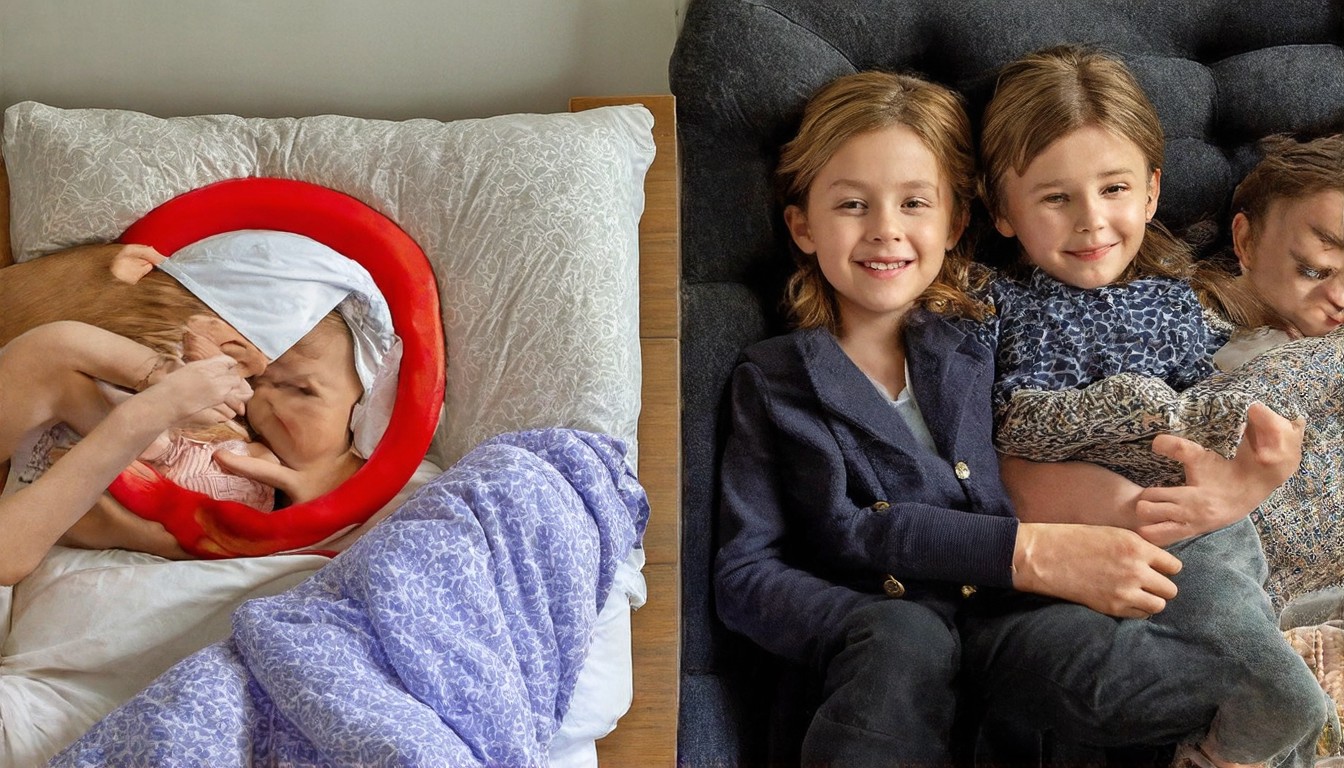
The UK government is launching a groundbreaking trial to assess the impact of restricting under-16s' access to social media on their sleep, school performance, and home life. This initiative involves 300 families, who will participate in a six-week experiment testing various levels of restrictions. Concurrently, the government is conducting a public consultation that has already received nearly 30,000 responses, highlighting the growing concern and interest in this issue.
The trial aims to provide valuable insights into the effects of social media use on young people's well-being and academic performance. With the rise of digital platforms, there has been increasing concern about the potential negative impacts on mental health, sleep patterns, and academic outcomes. The UK government's decision to conduct this trial reflects a broader global trend of exploring ways to regulate social media use among minors.
Participating families will be randomly assigned to different groups with varying levels of restrictions. Some may experience reduced access times, others may have access to specific platforms only, and a control group will continue with unrestricted use. Throughout the six-week period, data will be collected on factors such as sleep quality, school attendance and grades, and changes in family dynamics. Researchers will also gather qualitative feedback from the families to understand their experiences and perceptions of the restrictions.
The public consultation, which has garnered nearly 30,000 responses, offers a glimpse into the diverse opinions surrounding the issue. Many respondents have expressed concerns about the potential negative effects of social media on young people's mental health and well-being. Others have highlighted the importance of maintaining a balance between connectivity and privacy, particularly for teenagers who are navigating the complexities of adolescence.
The trial's results could have significant implications for policy-making and public health. If the data shows that restrictions lead to improved sleep, better academic performance, and healthier home environments, it may pave the way for more stringent regulations on social media use for under-16s. Conversely, if the effects are minimal or even detrimental, it could influence policymakers to adopt a more cautious approach.
This trial is not without its challenges. Ensuring accurate data collection and interpretation will be crucial. Researchers must also account for potential confounding factors, such as socioeconomic status and family dynamics, which could influence the outcomes. Additionally, the trial's scope is limited to 300 families, which may not be representative of the broader population.
Despite these challenges, the trial represents a significant step forward in understanding the relationship between social media and young people's lives. It offers a unique opportunity to gather empirical evidence on a topic that has been largely debated in the absence of concrete data. The findings could inform future policy decisions and contribute to a broader global conversation about the responsible use of technology among minors.
In conclusion, the UK government's trial of restricting under-16s' access to social media is a pioneering effort to explore the potential benefits and drawbacks of such measures. With the involvement of 300 families and nearly 30,000 public responses, this initiative promises to shed light on a critical issue affecting young people's well-being and academic success. The results of the trial will be closely watched, not only in the UK but also internationally, as policymakers and parents seek to navigate the complexities of digital life in the 21st century.