
UK RAF deploys C-UAS to Kuwait
The United Kingdom’s Royal Air Force Regiment (RAF) has deployed its Rapid Sentry counter-uncrewed aerial system (C-UAS) platform to Kuwait to bolster regional security amid
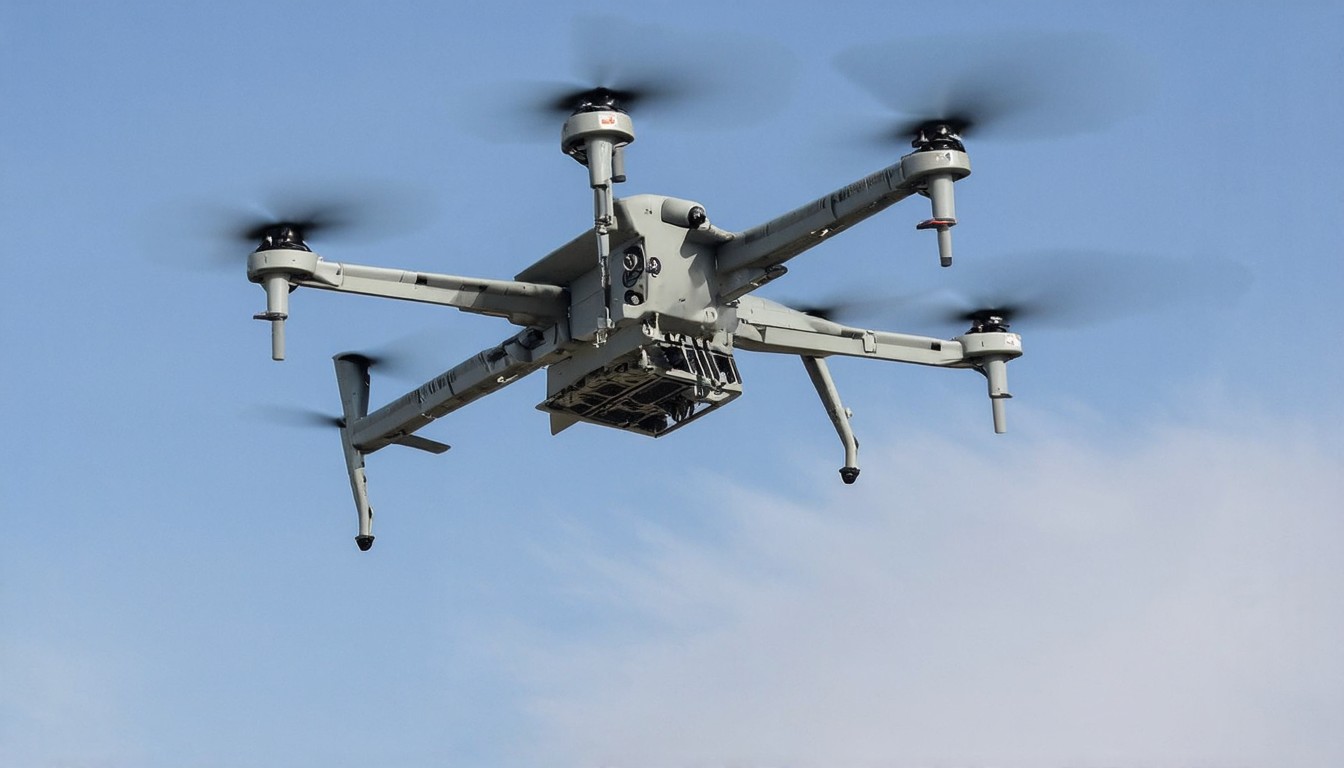
The United Kingdom's Royal Air Force (RAF) has recently deployed its Rapid Sentry counter-uncrewed aerial system (C-UAS) platform to Kuwait in an effort to enhance regional security amid ongoing threats from Iran. This move aligns with the UK Government's policy of protecting British personnel, interests, and partners in the Middle East while avoiding escalation into wider conflict. The RAF announced this deployment on April 2, emphasizing its commitment to maintaining stability in the region.
Kuwait, a key ally of the UK and a strategic location in the Middle East, has been a focal point for regional tensions due to its proximity to Iran. The UK's decision to deploy the Rapid Sentry C-UAS system highlights the growing concern over the potential use of unmanned aerial systems (UAS) by hostile actors, particularly Iran, which has been accused of supporting proxy groups in the area. The Rapid Sentry system is designed to detect, track, and neutralize hostile UAS, providing a critical layer of defense against such threats.
The RAF has a longstanding presence in Kuwait, with the 34 Squadron RAF Regiment currently deployed across the Middle East. In addition to Kuwait, personnel from this squadron are also operating in Iraq and Cyprus. This deployment underscores the RAF's role in maintaining security and stability in the region, particularly in the face of mounting challenges posed by Iran's aggressive behavior.
The UK's decision to deploy the Rapid Sentry C-UAS system to Kuwait is part of a broader effort to counter the growing threat of UAS proliferation. In recent years, the use of UAS has become increasingly sophisticated, with hostile actors employing these systems for reconnaissance, surveillance, and even armed attacks. The Rapid Sentry system, developed by the UK, is one of several counter-UAS (C-UAS) solutions being deployed globally to address this threat.
The UK's deployment of the Rapid Sentry C-UAS system to Kuwait is not without context. The 2026 Unmanned Airspace Global Counter-UAS Systems Directory, the world's only comprehensive and continually updated directory of global C-UAS companies and systems, highlights the growing importance of C-UAS capabilities. This directory, which is updated every month, lists over 1,000 C-UAS products and services, providing a detailed overview of the global C-UAS market.
The directory is broken down into niche sub-sectors, such as net-capture, missiles, intercept drones, and detectors, to offer a unique perspective on global C-UAS technical capabilities and market positions. It is available in various formats, including word, PDF, and Excel, and is a valuable resource for those involved in C-UAS procurement and the industry.
The UK's deployment of the Rapid Sentry C-UAS system to Kuwait is a testament to the country's commitment to leading in the development and deployment of advanced defense technologies. It also reflects the growing recognition of the threat posed by UAS and the need for effective countermeasures. As tensions in the Middle East continue to rise, the UK's decision to bolster its security presence in Kuwait serves as a deterrent to any hostile actions and a demonstration of its dedication to regional stability.
In conclusion, the UK's deployment of the Rapid Sentry C-UAS system to Kuwait is a strategic move designed to enhance regional security and counter the growing threat of UAS proliferation. This deployment aligns with the UK Government's policy of protecting British interests and partners in the Middle East while avoiding escalation. As the global C-UAS market continues to evolve, the UK's leadership in this field is crucial in addressing the complex challenges posed by modern warfare.









