
U.K. Plans 35-Nation Summit to Address Hormuz Crisis
The U.S. was notably not invited to the talks, with President Trump having frequently distanced the U.S. from key allies over the span of the conflict in Iran.
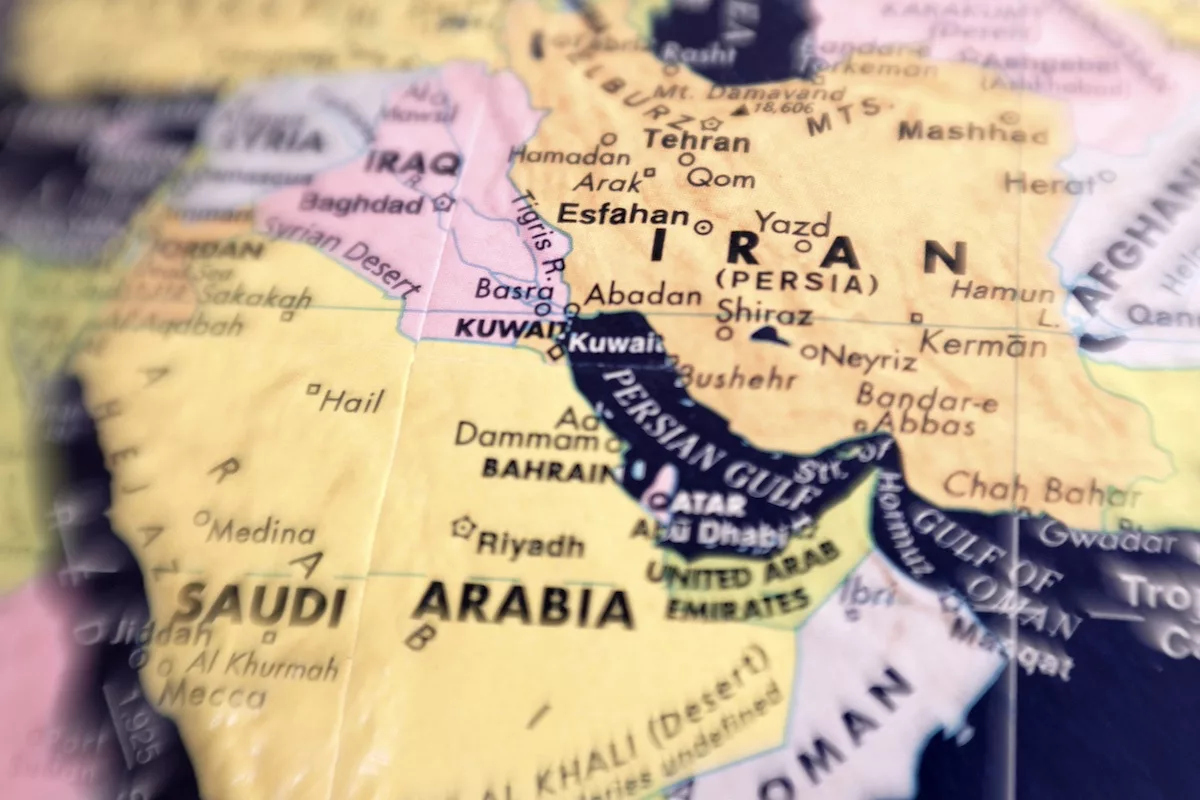
The United Kingdom has announced plans to host a 35-nation summit aimed at addressing the escalating crisis in the Strait of Hormuz. The move comes as tensions between Iran and regional powers, particularly the United Arab Emirates, have risen sharply over recent weeks, with both sides accusing each other of aggressive actions in the strategic waterway. The summit, set to take place in London, will bring together diplomats and officials from countries heavily reliant on the Hormuz Strait for oil and gas exports, as well as those dependent on the route for trade.
The decision to exclude the United States from the talks has been a point of contention, with President Trump's administration having frequently distanced itself from key allies during the conflict in Iran. This exclusion is seen as a reflection of the growing rift between the U.S. and its traditional partners, particularly in Europe, over the handling of the Iranian crisis. The U.S. has been a vocal critic of Iran's actions in the region, but its absence from the summit suggests that the international community is seeking a more multilateral approach to resolving the situation.
The Strait of Hormuz, a narrow waterway between the Persian Gulf and the Gulf of Oman, is of critical importance for global energy supplies, with around 30% of global oil trade passing through it. The crisis has raised concerns about potential disruptions to global markets, with oil prices already experiencing significant volatility. The summit is expected to focus on finding a diplomatic solution to de-escalate tensions and ensure the safe passage of ships through the strait.
Among the key issues to be discussed at the summit are the recent incidents involving Iranian forces and UAE vessels, as well as the broader implications of the crisis for regional stability. The UK, as the host nation, is expected to play a central role in mediating discussions between the conflicting parties. British Foreign Secretary Dominic Raab has emphasized the need for a "calm and measured approach" to address the situation, while also acknowledging the importance of protecting the freedom of navigation in the region.
The exclusion of the U.S. from the summit has been met with mixed reactions. Critics argue that the absence of a key player in the region undermines the summit's potential to achieve meaningful outcomes. They point out that the U.S. has been instrumental in previous efforts to address the Iranian crisis, including the nuclear deal agreement. Supporters of the summit, however, argue that the exclusion of the U.S. allows for a more inclusive and balanced discussion, with the focus on regional and international actors working together to find a sustainable solution.
The summit will also serve as an opportunity for the UK to reassert its role as a global diplomat, particularly in the aftermath of its departure from the European Union. By hosting the meeting, the UK aims to demonstrate its commitment to resolving international conflicts and maintaining global stability. The UK's foreign minister has stated that the country is "determined to play its part in ensuring the security and stability of the region and the world."
In addition to the immediate concerns surrounding the Hormuz Strait, the summit will likely touch on broader geopolitical issues, such as the future of the Iran nuclear deal and the ongoing tensions between Iran and Saudi Arabia. The international community is keen to avoid a full-blown regional conflict, and the summit is seen as a last-ditch effort to prevent further escalation.
As the summit approaches, diplomats from participating nations are expected to engage in intense negotiations, with the goal of reaching a consensus on a set of actionable measures to address the crisis. The success of the summit will depend on the ability of the participating countries to set aside their differences and work together towards a common goal. The stakes are high, with the potential for significant consequences for global energy markets and regional security if the situation is not resolved promptly.
In conclusion, the UK's decision to host a 35-nation summit to address the Hormuz crisis reflects the growing concerns over the escalating tensions in the region. The exclusion of the U.S. from the talks highlights the complexities of international diplomacy and the challenges posed by shifting alliances. The summit presents an opportunity for the international community to come together and find a diplomatic solution to the crisis, but its success will depend on the willingness of all parties to engage in constructive dialogue and prioritize regional stability.








