UK Food System Under Pressure as Report Urges Shift to Sustainable Farming
A new Demos report, backed by McCain Foods, says sustainable farming could strengthen the UK food system, raise farm profits, cut fertiliser imports and unlock billions in economic value by 2035. With public support growing, the report urges government action to help farmers adopt regenerative practices, improve resilience, restore nature and stabilise long-term food production and prices. The post UK Food System Under Pressure as Report Urges Shift to Sustainable Farming appeared first on Seed World .
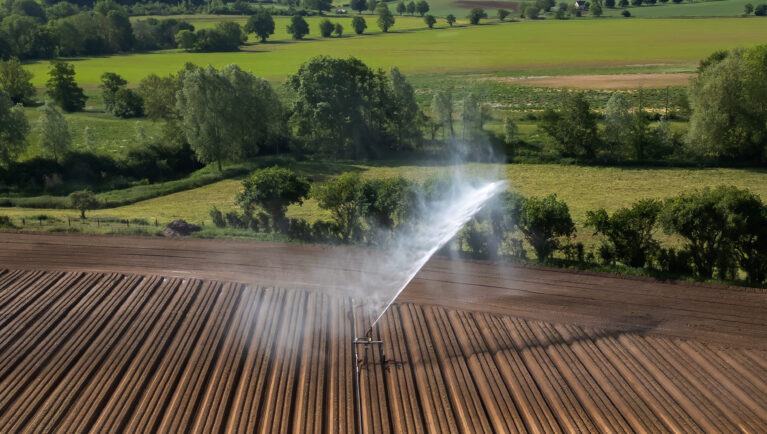
The UK food system is facing unprecedented challenges, and a new report from the cross-party think tank Demos, backed by McCain Foods, urges the government to take immediate action to support farmers in transitioning to sustainable farming practices. Titled "The Sustainable Farming Dividend," the report highlights the pressing need for a shift towards regenerative farming methods that prioritize environmental health, economic resilience, and long-term food security.
Farmers across the UK are grappling with rising input costs, inconsistent profitability, and a lack of policy certainty. These pressures, combined with the growing threat of climate change and environmental degradation, have put the nation's food system under significant strain. The report argues that adopting sustainable farming practices could not only strengthen the food system but also unlock billions in economic value by 2035.
One of the key findings of the report is that sustainable farming could protect the UK economy from a potential £150 billion hit by 2050. By restoring natural capital and improving land health, sustainable practices could unlock £56.3 billion in natural capital value by 2035. This would come from increased agricultural productivity, improved soil health, and enhanced biodiversity, all of which are critical for long-term food security.
Another significant advantage of sustainable farming is its potential to boost farm profitability. The report estimates that adopting sustainable methods could increase annual farm profits by £1.6 billion by 2035. This is particularly important given that nearly one in five farms currently operates at a loss. By improving land productivity and reducing the reliance on expensive inputs, sustainable farming could provide a much-needed financial boost to the struggling agricultural sector.
Moreover, shifting to sustainable farming practices could reduce the UK's dependence on volatile fertiliser imports. Currently, 60% of nitrogen fertiliser is imported, which not only increases costs but also contributes to environmental harm. Sustainable methods, such as crop rotation, cover cropping, and reduced chemical use, could reduce total inputs by £905 million annually and cut fertiliser imports by £449 million each year. This would not only lower production costs but also help mitigate the environmental impact of the food system.
Despite these clear benefits, the report acknowledges a substantial gap in public awareness about the connection between farming practices, climate impacts, and food prices. However, when these connections are clearly explained, public support for sustainable farming surges. The report found that 61% of the public back greater government investment in sustainable farming, with 45% prioritising it over other spending areas. Furthermore, 31% would view the government more favourably if it increased investment in sustainable farming.
These findings highlight a growing public demand for leadership and a clear opportunity for the government to take decisive action. The UK faces a unique chance to rebuild its food system in a way that is resilient, profitable, and environmentally sustainable. By supporting farmers in adopting regenerative practices, the government can improve resilience, restore nature, and stabilise long-term food production and prices.
In conclusion, the UK's food system is under immense pressure, but there is a viable solution: a shift to sustainable farming. The Demos report, backed by McCain Foods, presents a compelling case for government action to help farmers transition to regenerative practices. By doing so, the UK can unlock billions in economic value, protect the environment, and ensure long-term food security. With public support growing and the potential benefits clear, it is time for the government to seize this opportunity and lead the way towards a sustainable and resilient food system.