
UK deploys Rapid Sentry anti-drone system to Kuwait to fend off attacks, air force says
Gulf countries including Kuwait, the United Arab Emirates and Bahrain have been pulled into the Iran war, targeted by Iranian strikes in retaliation to attacks launched by the United States and Israel on 28 February.
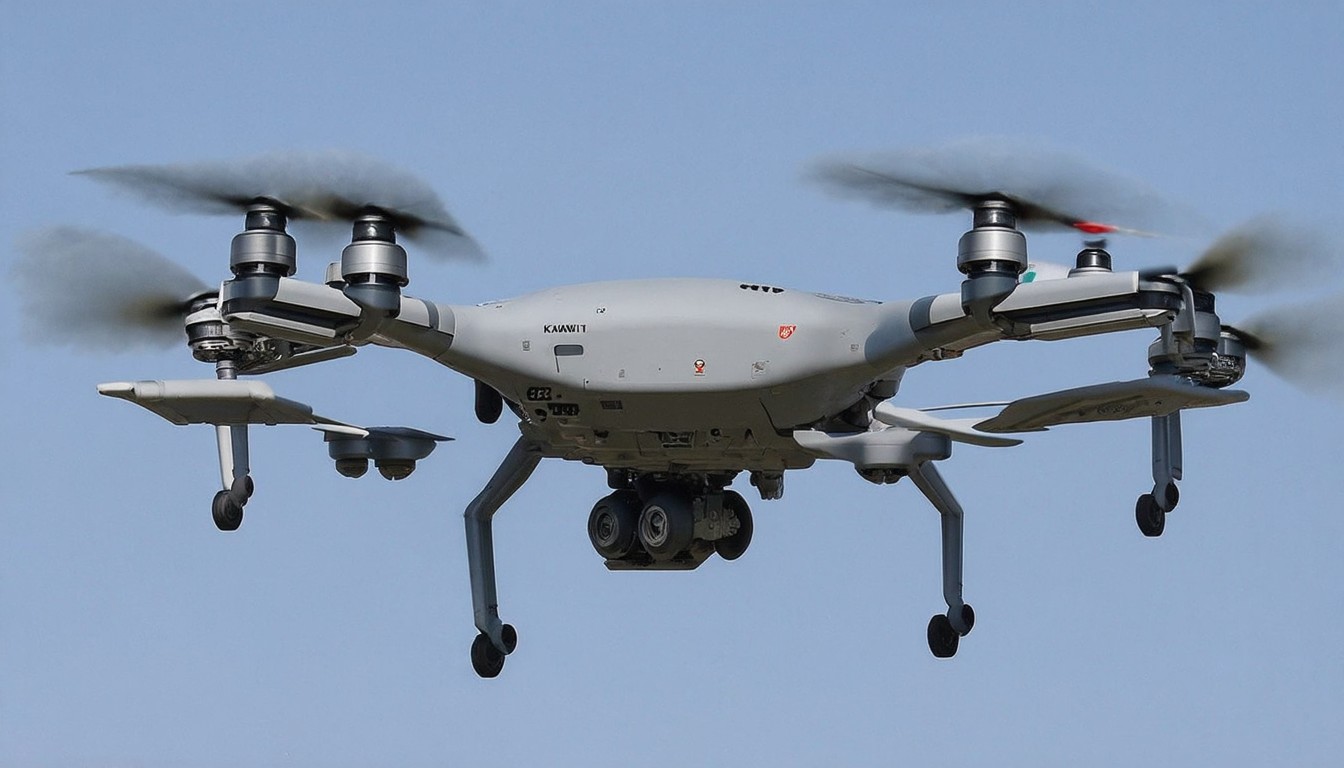
The United Kingdom has deployed its Rapid Sentry anti-drone system to Kuwait in response to heightened tensions in the Gulf region, according to the British air force. This move comes as Gulf nations, including Kuwait, the United Arab Emirates, and Bahrain, find themselves embroiled in the ongoing conflict involving Iran, following a series of attacks on 28 February by the United States and Israel.
Iran has targeted these Gulf countries in retaliation for the attacks, which were aimed at Iranian-backed militias operating in the region. The rapid escalation in hostilities has prompted the UK to bolster its military presence in the area, focusing on countering the growing threat of drone strikes.
The Rapid Sentry system, developed by the UK's Thales Air Defence, is designed to detect and neutralize unmanned aerial vehicles (UAVs) and drones posing a threat to airspace security. It utilizes advanced radar technology and interceptors to identify and engage hostile drones, providing a swift and effective response to aerial threats.
The deployment of Rapid Sentry to Kuwait follows a series of incidents where Iranian-backed groups have increased their use of drones to attack infrastructure and military installations in the Gulf. These attacks have raised concerns among regional allies, particularly as the UK and its allies continue to navigate the complex dynamics of the Iran conflict.
The UK's decision to deploy Rapid Sentry is part of a broader effort to strengthen its military presence in the Gulf, alongside other NATO and coalition forces. The British air force has been actively involved in the region, supporting efforts to counter the threat posed by Iranian-backed militias and ensuring the safety of allied interests.
The UK's move to bolster its anti-drone capabilities in Kuwait is seen as a strategic response to the evolving security landscape in the Gulf. As tensions between Iran and its regional adversaries remain high, the need for robust defenses against drone attacks has become increasingly apparent.
In addition to its role in Kuwait, Rapid Sentry is also being used by the UK in other conflict zones, such as Afghanistan and Iraq, where drone threats have been a persistent challenge. The system's effectiveness in neutralizing drones has been widely recognized, making it a valuable asset in the fight against terrorism and insurgency.
The deployment of Rapid Sentry to Kuwait is expected to enhance the UK's ability to respond swiftly to drone threats, providing an additional layer of security for allied forces and infrastructure in the region. As the Iran conflict continues to evolve, the UK's commitment to maintaining a strong military presence in the Gulf remains a priority, underscoring its dedication to regional stability and security.
In conclusion, the UK's decision to deploy its Rapid Sentry anti-drone system to Kuwait highlights the growing concern over drone threats in the Gulf region. With tensions between Iran and its adversaries on the rise, the need for advanced defenses against drone attacks has become more critical than ever. The Rapid Sentry system, with its proven capabilities, offers a robust solution to counter these threats and protect allied interests in the face of an increasingly complex and volatile security environment.








