Uh-oh! Could a solar storm derail the Artemis II mission?
The mission is not without risk.
The Artemis II mission, a historic endeavor aimed at returning humans to the Moon for the first time in over five decades, has faced a potential setback due to the possibility of a solar storm disrupting its trajectory. As the spacecraft prepares for its launch, scientists and mission planners are closely monitoring the Sun's activity, a critical factor in ensuring the mission's success.
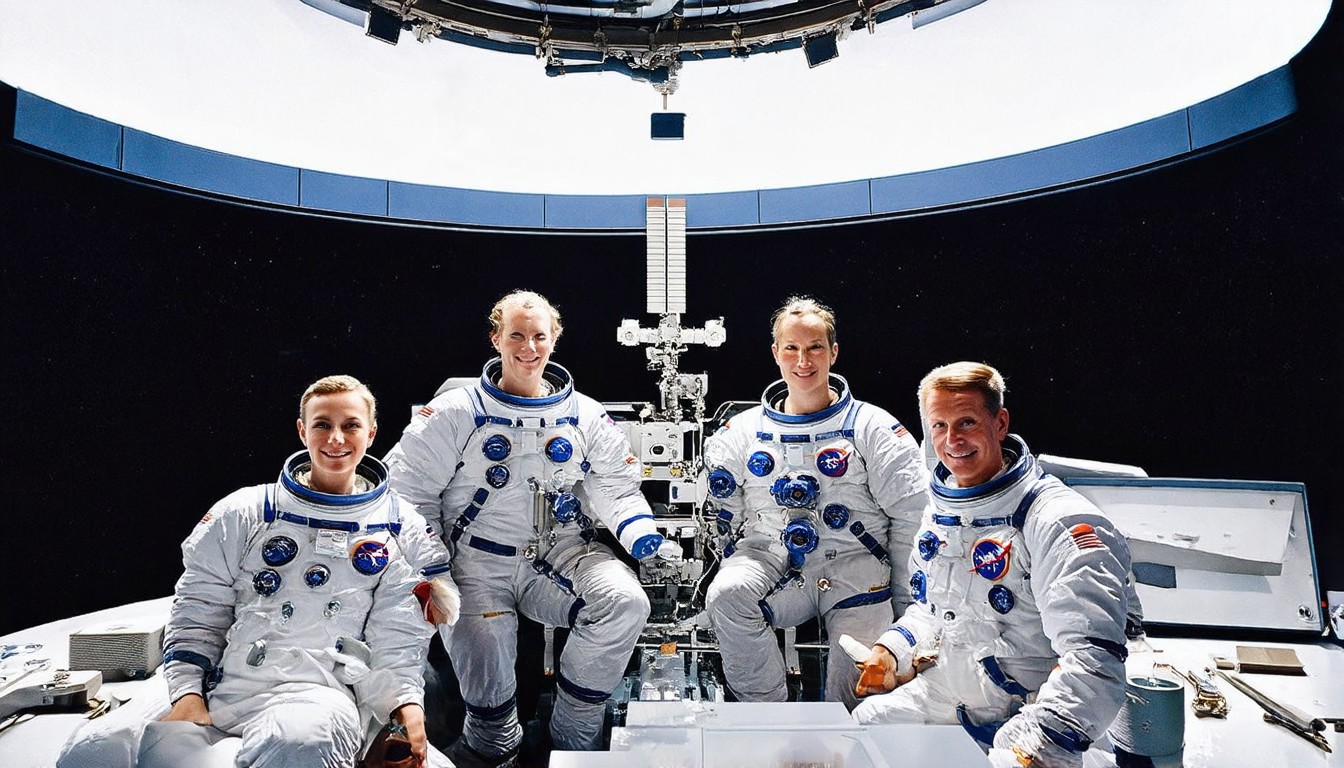
The Artemis II mission, part of NASA's Artemis program, is designed to carry a crew of two astronauts on a lunar orbit mission. This journey is not only a significant milestone in space exploration but also a testament to humanity's resilience and ambition. However, the mission is not without its risks, and one of the most significant concerns is the potential impact of a solar storm.
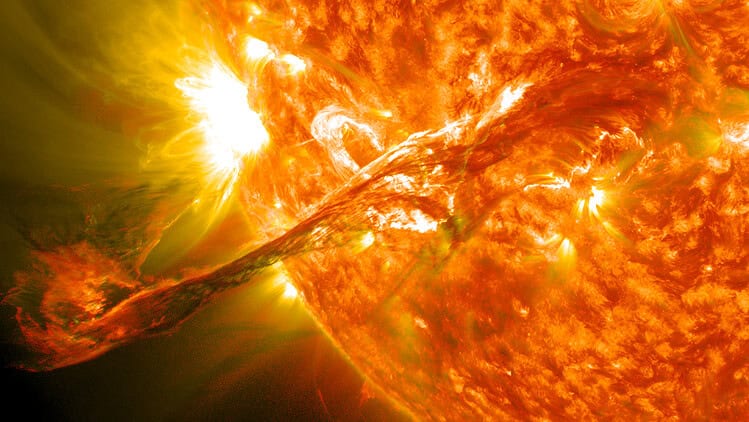
Solar storms, also known as coronal mass ejections (CMEs), are massive bursts of charged particles released from the Sun's surface. These events can have profound effects on Earth's magnetic field, causing phenomena such as geomagnetic storms, which can disrupt communication systems, power grids, and even satellites in orbit. For the Artemis II mission, a solar storm could pose a threat to the spacecraft's systems and the safety of the astronauts aboard.
NASA and its partners have been closely monitoring solar activity since the mission's planning stages. The spacecraft is equipped with advanced shielding to protect against radiation, but a powerful solar storm could still pose a challenge. The mission's trajectory has been carefully calculated to minimize exposure to such events, but the unpredictable nature of solar activity means that there is always a risk.
In the event of a significant solar storm, the mission could face delays or even have to be postponed. This would not only impact the timeline of the Artemis program but also raise questions about the feasibility of future manned missions to the Moon and beyond. The Artemis II mission is a critical step towards establishing a sustainable presence on the Moon, which is essential for future exploration of Mars and other celestial bodies.
Scientists and mission planners are working diligently to mitigate these risks. They are leveraging advanced predictive models and real-time data from solar observatories to assess the likelihood of a solar storm occurring during the mission's critical phases. By staying vigilant and prepared, they aim to ensure that the Artemis II mission can proceed safely, despite the challenges posed by the Sun's unpredictable behavior.
The potential impact of a solar storm on the Artemis II mission highlights the delicate balance between human ambition and the natural forces that govern our universe. As we push the boundaries of space exploration, it is crucial to remain aware of and prepared for the risks that come with venturing into the cosmos. The Artemis II mission serves as a reminder of the incredible potential that lies ahead, but also underscores the need for careful planning and continuous vigilance in the face of the unknown.
In the end, the success of the Artemis II mission will depend on a combination of technological advancements, meticulous planning, and a bit of luck. While the threat of a solar storm is a significant concern, the mission's planners remain optimistic about its prospects. With the support of international partners and the collective expertise of space agencies around the world, the Artemis II mission holds the promise of ushering in a new era of space exploration, one step at a time.