
Uber and Lyft Offer Gas Price Relief, but Drivers Say It’s Not Enough
As fuel costs go up, making a living as a gig driver is harder than ever.
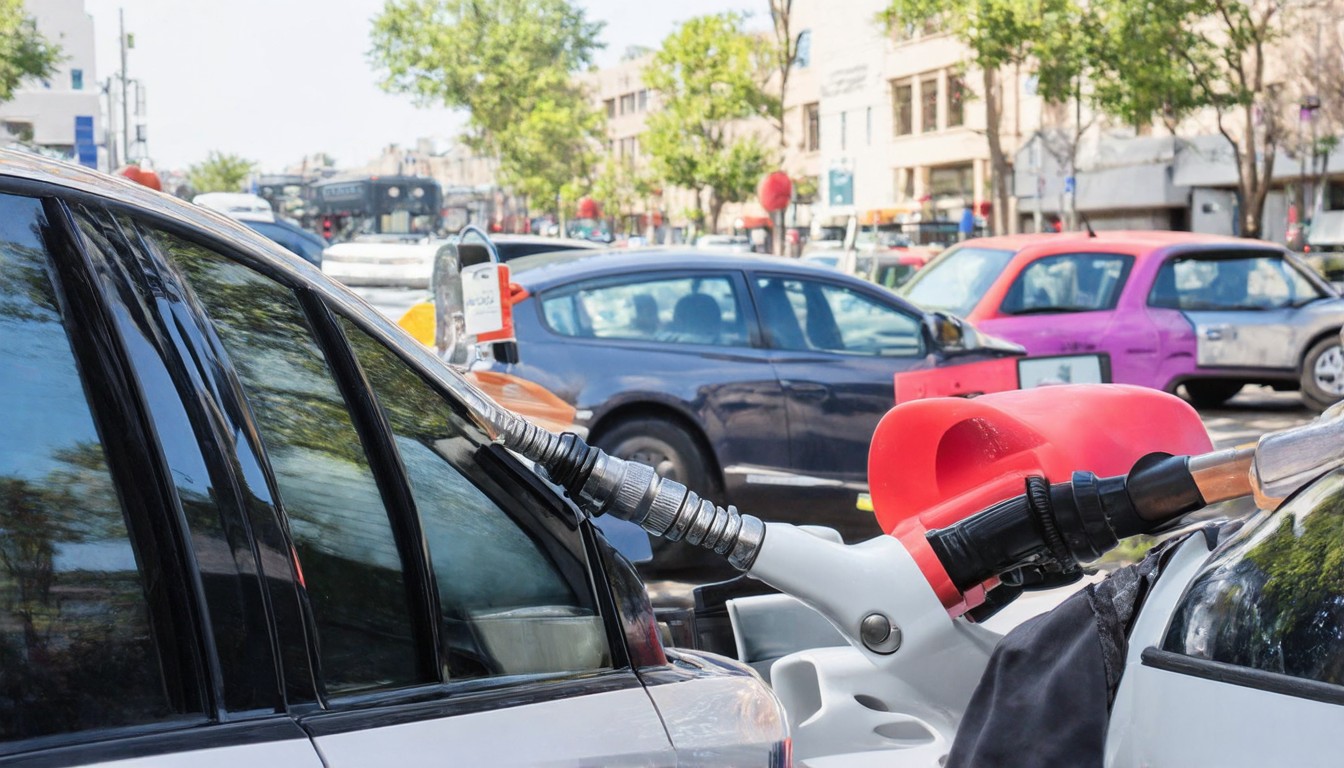
As fuel prices continue to soar, gig economy drivers for companies like Uber and Lyft are struggling to make ends meet. In response to the rising costs, both companies have introduced measures to offer relief to their drivers, but many are finding these efforts insufficient to counteract the financial strain.
Uber has announced a temporary increase in driver earnings per ride, aiming to help drivers cope with the higher fuel expenses. The company has also extended its fuel rebate program, which allows drivers to claim a portion of their fuel costs. Similarly, Lyft has introduced a "Fuel Assistance Program," providing drivers with a percentage of their earnings as a direct rebate on fuel expenses.
Despite these initiatives, drivers are expressing frustration and concern about their ability to sustain their livelihoods. Many gig drivers rely on their vehicles as both tools of work and means of transportation, making fuel costs a significant portion of their expenses. The increased per-ride earnings from Uber and Lyft are often offset by the higher cost of fuel, leaving drivers with minimal net gain.
"I’ve been driving for Uber for three years, and now I’m barely breaking even," says Maria, a gig driver in Los Angeles. "The rebate helps, but it’s not enough. I’m spending more on gas than I ever have before, and my earnings aren’t keeping up."
The situation is further complicated by the fact that gig drivers often face additional costs, such as vehicle maintenance, insurance, and tolls. These expenses, combined with the rising cost of fuel, are squeezing drivers' budgets.
Some drivers are turning to alternative solutions, such as carpooling or using public transportation when possible, to reduce their fuel costs. Others are considering switching to electric vehicles, which could offer long-term savings, but the upfront costs and limited infrastructure make this a challenging option for many.
The challenges faced by gig drivers are part of a broader trend in the gig economy, where workers often lack the stability and benefits of traditional employment. As fuel prices continue to rise, the pressure on gig drivers intensifies, raising questions about the sustainability of the gig economy model and the need for more comprehensive support systems.
Uber and Lyft have faced criticism for what some see as insufficient action to address the drivers' plight. Critics argue that the companies should take a more proactive role in mitigating the impact of rising fuel costs, such as by offering more substantial rebates or adjusting their pricing models to better reflect the increased expenses.
In response to the criticism, both companies have emphasized their commitment to supporting drivers. Uber’s spokesperson stated, "We are constantly evaluating ways to help drivers navigate the current economic environment, and we will continue to do so as needed." Lyft’s representative added, "We understand the challenges our drivers face, and we are working to provide the best possible support while also ensuring the sustainability of our platform."
Despite these assurances, many drivers remain unconvinced. As fuel prices continue to climb, the pressure on gig drivers will only intensify, highlighting the need for more robust solutions to support this vulnerable workforce. The situation underscores the challenges of the gig economy, where drivers often lack the protections and stability of traditional jobs, leaving them particularly vulnerable to economic fluctuations.
In the face of these challenges, some drivers are organizing to advocate for better support and conditions. Groups like the Gig Workers Union and the Rideshare Drivers United are pushing for increased protections and fairer treatment for gig workers, including more substantial support during periods of high fuel costs.
As the gig economy continues to grow, the experiences of Uber and Lyft drivers serve as a cautionary tale about the need for sustainable practices and support systems. The rising cost of fuel is just one of many challenges that gig workers face, from unpredictable income to limited benefits.
In the end, the ability of gig drivers to thrive in the face of rising fuel costs will depend on a combination of factors, including the companies' willingness to provide adequate support, the drivers' ability to adapt, and the broader economic environment. For now, however, the outlook remains uncertain, with many drivers struggling to make ends meet as fuel prices soar.









