Uber and Lyft Offer Gas Price Relief, but Drivers Say It’s Not Enough
As fuel costs go up, making a living as a gig driver is harder than ever.
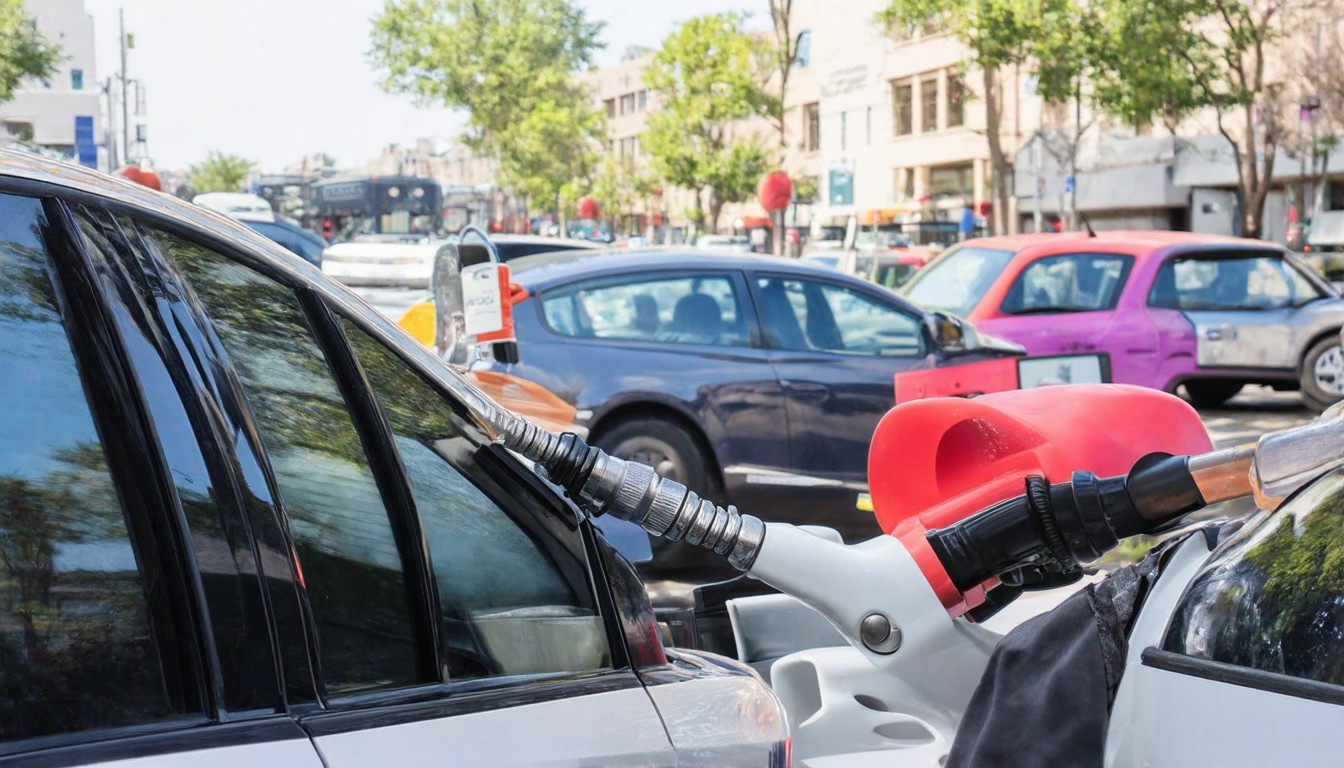
As fuel prices continue to soar, gig economy drivers relying on platforms like Uber and Lyft are struggling to make ends meet. In response to the mounting financial pressures, both companies have introduced measures to alleviate the impact of rising gas prices on their drivers. However, many drivers are expressing frustration, arguing that the relief offered is insufficient to counterbalance the increased costs of operating their vehicles.
Uber has announced a temporary discount on its per-mile and wait times fees for drivers in the United States. The company claims this move will help drivers earn more per trip, thereby offsetting the higher fuel expenses. According to Uber's statement, the discount will be in place for an unspecified period, with the intention of providing much-needed relief during this challenging time. Similarly, Lyft has introduced a "Fuel Assistance Program," which provides drivers with a one-time credit of $10 per ride taken in certain regions. This initiative is designed to directly compensate drivers for the additional costs of gasoline.
Despite these efforts, many gig drivers are voicing their dissatisfaction. They argue that the reductions in fees or one-time credits do not adequately address the substantial increase in fuel costs. For instance, a driver in Los Angeles shared that, with gas prices averaging over $4 per gallon, the cost of driving for a day can easily exceed $100. Even with Uber's discounts, the driver estimates that their daily earnings have decreased by nearly 20%.
The situation is further complicated by the fact that gig drivers often operate under independent contractor status, meaning they are responsible for their own taxes, insurance, and vehicle maintenance. This adds to their financial burden, as they cannot pass these costs onto their platform employers. Additionally, many drivers report that the surge in fuel prices has led to a decline in ride-hailing demand, as passengers opt for more cost-effective transportation options.
Critics of Uber and Lyft's current measures argue that the companies should take a more substantial role in supporting their drivers. Some suggest that the platforms could directly reimburse drivers for fuel costs or provide them with financial assistance to cover these expenses. Others propose that the companies could explore alternative energy solutions, such as electric vehicles or hybrid models, to reduce the reliance on traditional gasoline.
In response to the growing concerns, both Uber and Lyft have emphasized their commitment to driver well-being. Uber has stated that it is continuously evaluating its support options and remains open to further adjustments. Lyft, meanwhile, has pledged to monitor the situation closely and adjust its fuel assistance program as needed.
However, the drivers' plight underscores a broader issue within the gig economy. As the costs of living and operating rise, the precarious nature of gig work becomes increasingly difficult to sustain. Many drivers are turning to alternative sources of income or considering other career paths, highlighting the need for more comprehensive support systems and policies to ensure the viability of the gig economy in the face of economic fluctuations.
As fuel prices continue to climb, the challenges faced by gig drivers are likely to persist. While Uber and Lyft's efforts to provide relief are commendable, the drivers' calls for more substantial support cannot be ignored. The future of the gig economy will depend on the ability of these companies and policymakers to address these pressing issues and create a more sustainable and equitable environment for all involved.