Tyler city employees are bringing their newborns to work
The city, which does not have a paid family leave policy, established the program to help new parents return to work without sacrificing bonding with their new babies.
In a unique initiative to support new parents, Tyler city employees are now bringing their newborns to work. This program, launched in response to the city's lack of a paid family leave policy, aims to help working parents balance their professional responsibilities with the crucial bonding time needed with their new babies.
The idea behind the program is straightforward yet innovative. By allowing new mothers and fathers to work from the office with their infants, the city hopes to alleviate the stress of leaving a newborn with childcare while they return to their jobs. This approach not only supports employees but also fosters a more inclusive and understanding work environment.
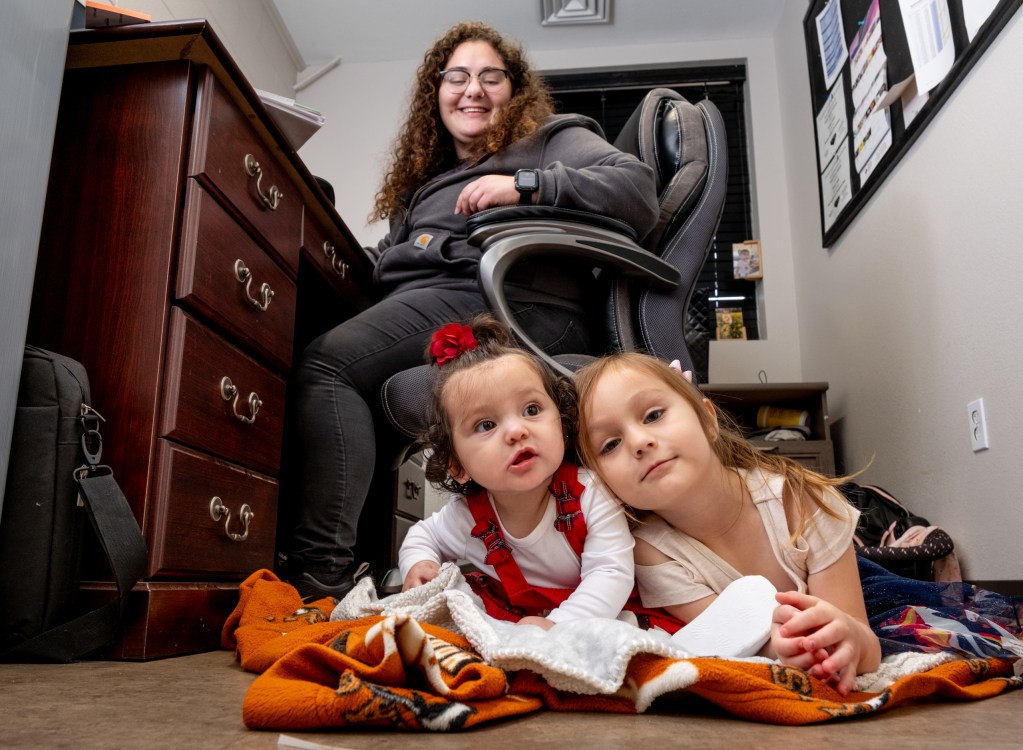
Teresa Tudor, a Tyler city employee, is one of the first to take advantage of this program. On November 21, 2025, she was seen in her office at the Tyler Water Utilities service center with her 4-year-old daughter, Cecilia Tudor, and her 8-month-old daughter, Natalia Hurtado. Teresa's presence at work with her children highlights the program's flexibility and the city's commitment to supporting its employees.
The decision to implement this program was driven by the need to address the challenges faced by working parents in Tyler. Without a paid family leave policy, many employees have struggled to find adequate childcare, leading to stress and potential job loss. By bringing their newborns to work, parents can ensure they are present for their child's first months, while also maintaining their employment.
The city's initiative has been met with mixed reactions. Some employees have praised the program for its innovative approach to supporting working parents. They argue that it not only helps new parents but also promotes a culture of work-life balance within the city's offices. Others, however, have expressed concerns about potential distractions and the impact on productivity.
Despite these concerns, the city administration remains committed to the program. Officials believe that the benefits of supporting new parents outweigh any potential drawbacks. They also argue that the program can serve as a model for other cities facing similar challenges.
The success of this program will ultimately depend on how well it is implemented and received by both employees and management. As more parents take advantage of the opportunity to work with their newborns, the city will need to monitor the program closely to ensure it meets the needs of all involved.
In the meantime, Tyler city employees like Teresa Tudor are setting an example for others. By embracing this unique approach to parenting and work, they are demonstrating that it is possible to be a dedicated employee and a loving parent at the same time.
As the program continues to evolve, it remains to be seen how it will impact the city's workforce and the lives of its new parents. However, one thing is clear: Tyler's initiative is breaking new ground in supporting its employees, and it may inspire other cities to reconsider their policies on family leave and work-life balance.