Two UP Madrassa Teachers Cane 10-Year-Old Boy, Held After Video Triggers Outrage
Two teachers at a Saharanpur madrassa were arrested for allegedly beating a 10 year old student with a stick. The video sparked public outrage.
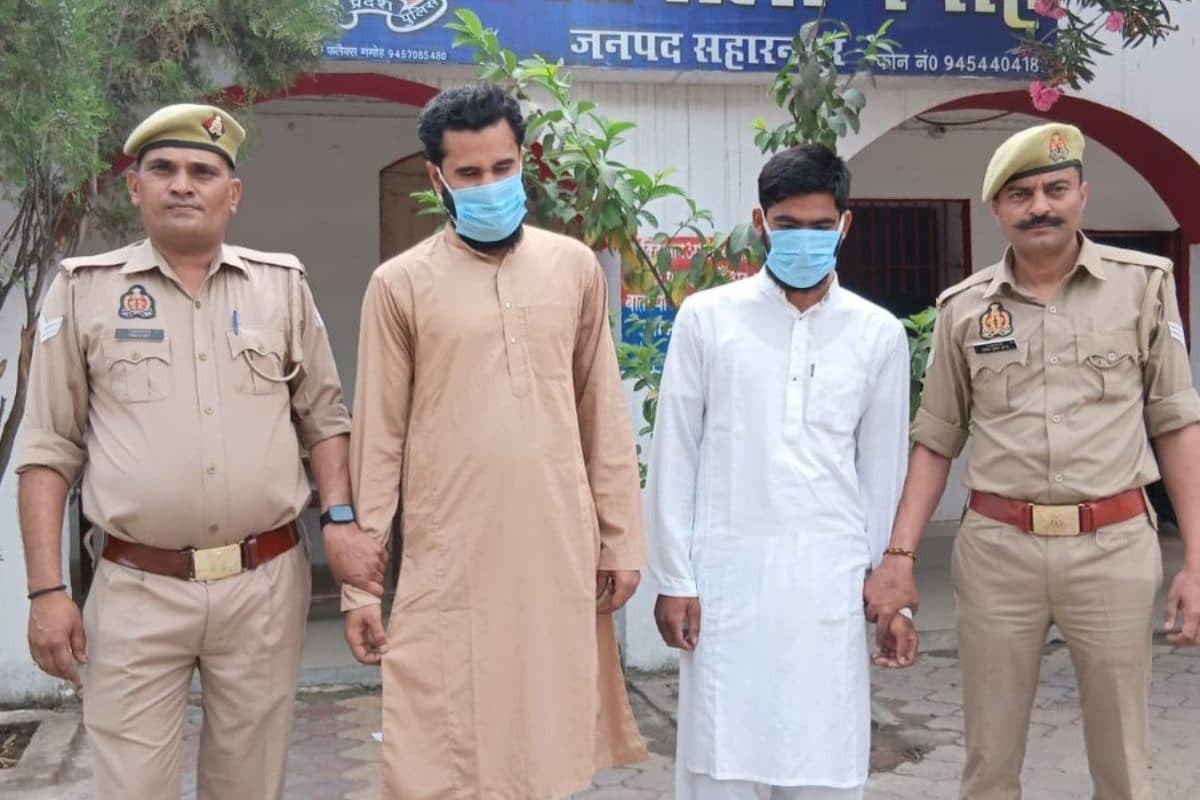
In a recent development that has sent shockwaves across the nation, two teachers at a madrassa in Saharanpur were arrested for allegedly caning a 10-year-old student. The incident, which was captured on video, has triggered widespread outrage and sparked a debate about the use of physical punishment in educational institutions, particularly in religious schools.
The incident occurred at the madrassa in Saharanpur, a city in the Indian state of Uttar Pradesh, known for its significant population of Muslim residents. The madrassa, which is a type of religious school, is attended by students from diverse backgrounds, and it is expected to follow strict disciplinary norms. However, the video that surfaced online has shown a stark contrast to these norms, revealing a scene of brutality that has left many questioning the methods used by the school's administration.
The video, which has gone viral, shows the two teachers, both in their mid-30s, standing over the young student. The teachers are seen holding a cane, a traditional instrument used for corporal punishment in many schools across India. The student, visibly terrified, is made to stand on a bench, exposing his lower back to the teachers. The teachers then proceed to cane the student, striking him repeatedly with the cane. The video ends with the student crying out in pain, and the teachers standing over him, seemingly satisfied with their actions.
The video was uploaded to social media platforms, where it quickly gained traction and sparked an outpouring of anger and disgust. Many users expressed shock at the apparent callousness of the teachers and the apparent lack of empathy they displayed towards the young student. The incident has been widely condemned, with many calling for immediate action against the perpetrators and a review of the disciplinary practices at the madrassa.
In response to the outrage, the Uttar Pradesh police launched an investigation into the incident. The two teachers were arrested on charges of cruelty towards a minor and were taken into custody. The school's administration has been cooperating with the authorities, providing necessary information and evidence. The madrassa's principal has denied any knowledge of the incident and has assured the authorities that such practices are not condoned at the institution.
The incident has also prompted a broader discussion about the use of physical punishment in schools, particularly in religious institutions. While some argue that corporal punishment is a necessary tool for maintaining discipline, others contend that it is a cruel and outdated method that can have long-lasting negative effects on students' mental and emotional well-being. The Indian government has taken a stand against the use of physical punishment in schools, with the Right to Education Act, 2009, explicitly banning such practices.
However, enforcement of this ban has been a challenge, with many schools, including religious institutions, continuing to use corporal punishment as a means of discipline. The incident at the Saharanpur madrassa has highlighted the need for stricter enforcement of existing laws and the importance of fostering a culture of respect and empathy in educational institutions.
The case has also drawn attention to the broader issue of child abuse and the need for effective safeguards to protect vulnerable children. The Indian government has pledged to take a tough stance against such incidents and to ensure that all children, regardless of their background, are protected from abuse and exploitation.
The arrest of the two teachers has been welcomed by many as a step in the right direction, but there are concerns about whether this will serve as a deterrent to others who may be considering similar actions. The incident has underscored the need for regular training and sensitization of teachers on appropriate discipline methods and the importance of creating a safe and nurturing environment for students.
The case is currently under investigation, and the future of the two teachers remains uncertain. They could face charges under the Indian Penal Code, which prescribes severe punishment for acts of cruelty towards minors. The incident has also prompted calls for a review of the disciplinary practices at the madrassa and a commitment to adopting more humane and effective methods of discipline.
In conclusion, the incident at the Saharanpur madrassa serves as a stark reminder of the need for vigilance and action in combating the use of physical punishment in schools. It highlights the importance of upholding the rights of children and ensuring that they are protected from abuse and exploitation. The case also underscores the need for a comprehensive approach to education, one that prioritizes the well-being of students and promotes a culture of respect and empathy in educational institutions. As the investigation continues, it is hoped that justice will be served and that the incident will serve as a catalyst for positive change in the way children are educated and treated in religious schools across the country.