
Two Americas, then and now
Panel featuring filmmaker Ken Burns probes ‘disjunction’ between Declaration of Independence and the Constitution
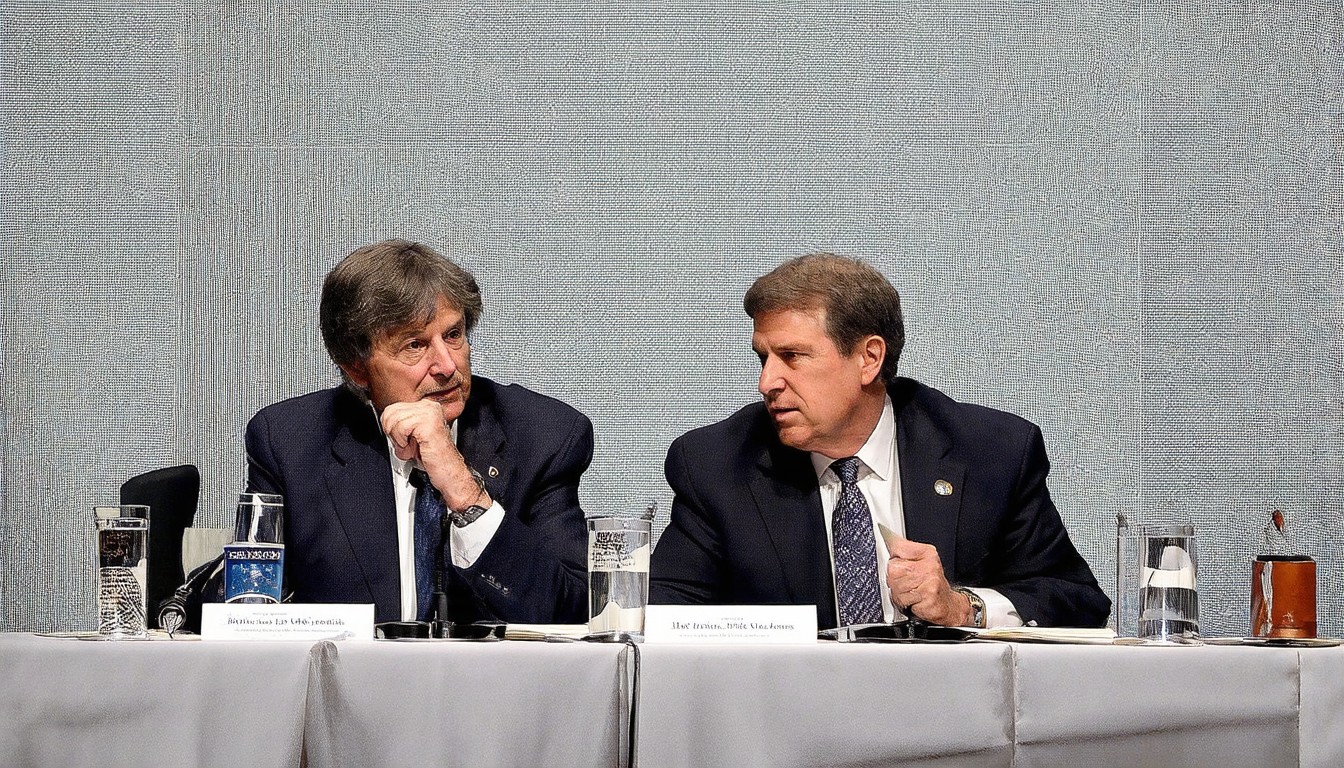
On March 25, 2026, a panel featuring filmmaker Ken Burns and Harvard History Department faculty members delved into the historical disjunction between the Declaration of Independence and the Constitution. The event, co-presented with the Radcliffe Institute for Advanced Study, was part of the History Department’s “Harvard in 1776” series, which aimed to explore the nation’s founding principles and their relevance to the present day.
The discussion centered around the contrast between the Declaration of Independence’s assertion of human equality and the Constitution’s compromises on individual rights. Philip Deloria, Leverett Saltonstall Professor of History, described the Declaration as America’s “vision statement,” while the Constitution served as the country’s “operating manual.” Deloria argued that this disjunction between the vision and the manual was a persistent dilemma in American history.
The panel included several Harvard experts who appeared in Burns and Sarah Botstein’s new PBS documentary, “The American Revolution.” Among the panelists were Bruce H. Mann, Carl F. Schipper Jr. Professor of Law at Harvard Law School; Annette Gordon-Reed, a professor of history and law; and Vincent Brown, Charles Warren Professor of American History and a professor of African and African American studies.
Moderator Bruce H. Mann joked that the 12-hour documentary series was “largely told by the Harvard History Department,” highlighting the institution’s significant contribution to the project. Indeed, six current and former Harvard History Department faculty members were featured in the documentary, including interviews with the late Bernard Bailyn.
During the event, the audience at the Knafel Center was treated to clips from each of the film’s six episodes. Panelist Vincent Brown discussed how Britain’s 18th-century colonies in the Caribbean, with their vast numbers of enslaved laborers, were far more profitable and entrenched in the institution of slavery than the American colonies. This comparison underscored the complexities of the American Revolution and its aftermath, as well as the ongoing struggle to reconcile the ideals of the Declaration with the realities of the Constitution.
The panelists’ conversation highlighted the enduring relevance of the founding documents and the challenges faced by the United States in aligning its principles with its practices. As the nation grapples with contemporary issues related to equality, rights, and democracy, the dialogue between the Declaration of Independence and the Constitution continues to shape its identity and future.
The event not only provided insights into the historical context of the founding documents but also emphasized the importance of critical engagement with America’s past in understanding its present and shaping its future. The panel’s exploration of the disjunction between the Declaration and the Constitution serves as a reminder of the complexities inherent in the nation’s founding vision and the ongoing efforts to reconcile ideals with reality.









