Twenty seconds to approve a military strike; 1.2 seconds to deny a health insurance claim. The human is in the AI loop. Humanity is not
In the first twenty-four hours of the war with Iran, the United States struck a thousand targets. By the end of the week, the total exceeded three thousand — twice as many as in the “shock and awe” phase of the 2003 invasion of Iraq, according to Pete Hegseth . This unprecedented number of strikes was made possible by artificial intelligence . U.S. Central Command (CENTCOM) insists that humans remain in the loop on every targeting decision, and that the AI is there to help them to make “smarter decisions faster.” But exactly what role humans can play when the systems are operating at this pace is unclear. Israel’s use of AI-enabled targeting in its war on Hamas may offer some insights. An investigation last year reported that the Israeli military had deployed an AI system called Lavender to identify suspected militants in Gaza. The official line is that all targeting decisions involved human assessment. But according to one of Lavender’s operators, as the humans involved came to trust the system, they limited their own checks to nothing more than confirming that the target was a male. “I would invest 20 seconds for each target,” the operator said. “I had zero added-value as a human, apart from being a stamp of approval. It saved a lot of time.” The same pattern has already taken hold in business. In 2023, ProPublica revealed that Cigna, one of America’s largest health insurers, had deployed an algorithm to flag claims for denial. Its physicians,
In the first 24 hours of the war with Iran, the United States struck a thousand targets. By the end of the week, the total exceeded three thousand — twice as many as in the “shock and awe” phase of the 2003 invasion of Iraq, according to Pete Hegseth. This unprecedented number of strikes was made possible by artificial intelligence. U.S. Central Command (CENTCOM) insists that humans remain in the loop on every targeting decision, and that the AI is there to help them make “smarter decisions faster.” However, exactly what role humans can play when the systems are operating at this pace is unclear.
Israel’s use of AI-enabled targeting in its war on Hamas may offer some insights. An investigation last year reported that the Israeli military had deployed an AI system called Lavender to identify suspected militants in Gaza. The official line is that all targeting decisions involved human assessment. But according to one of Lavender’s operators, as the humans involved came to trust the system, they limited their own checks to nothing more than confirming that the target was a male. “I would invest 20 seconds for each target,” the operator said. “I had zero added-value as a human, apart from being a stamp of approval. It saved a lot of time.”
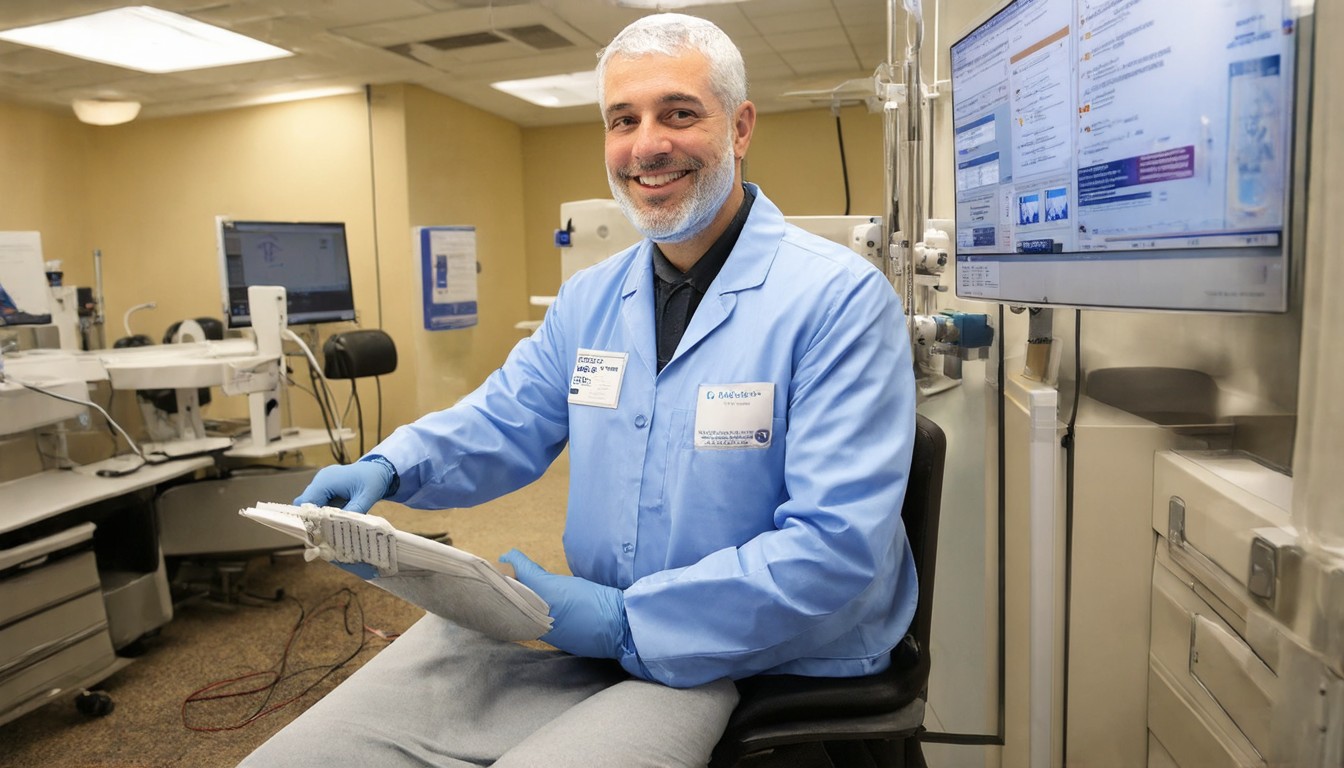
The same pattern has already taken hold in business. In 2023, ProPublica revealed that Cigna, one of America’s largest health insurers, had deployed an algorithm to flag claims for denial. Its physicians, who were legally required to exercise their clinical judgment, signed off on the algorithm’s decisions in batches, spending an average of 1.2 seconds on each case. One doctor denied more than 60,000 claims in a single month. “We literally click and submit,” a former Cigna doctor said. “It takes all of 10 seconds to do 50 at a time.”
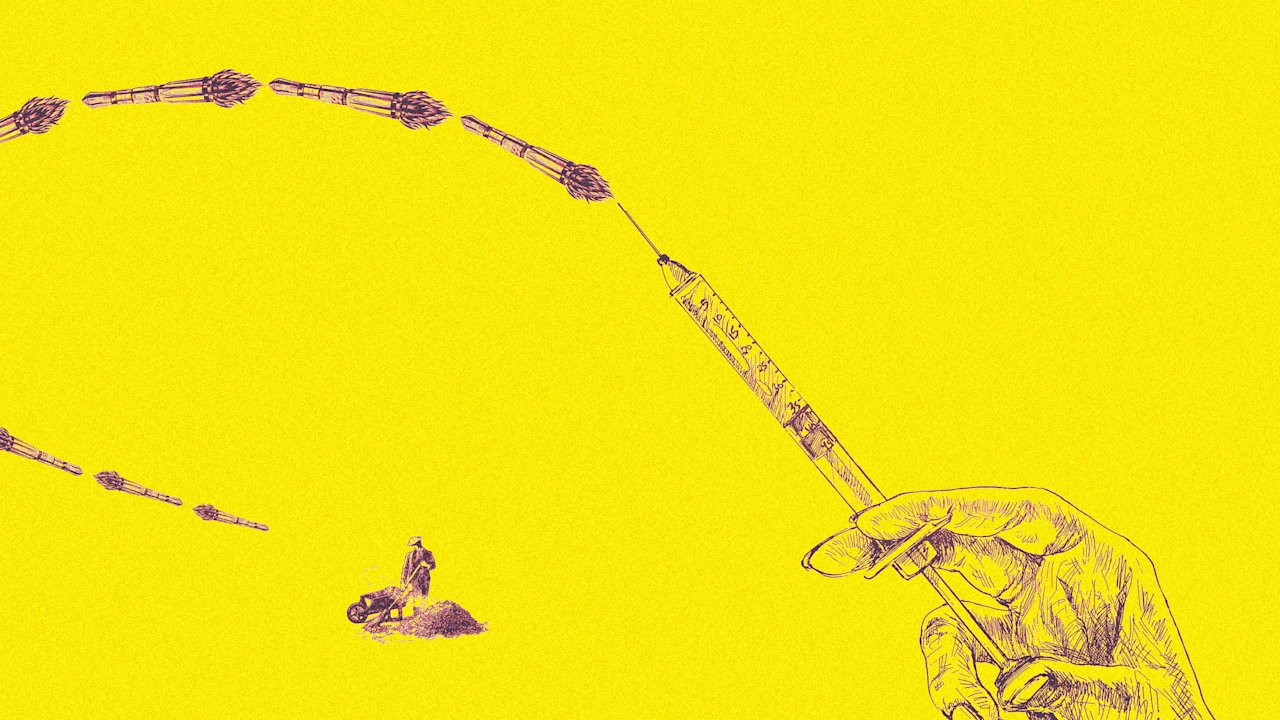
Twenty seconds to approve a military strike; 1.2 seconds to deny a health insurance claim. The human is in the loop. Humanity is not.
The integration of AI into decision-making processes raises questions about the role of humans in critical situations. While CENTCOM maintains that humans are still making the final decisions, the sheer volume of data and targets that AI can process in a matter of seconds suggests that the human element is becoming increasingly superficial. In the case of the Israeli military, the operators’ reliance on AI systems like Lavender reduced their involvement to a mere formality, with the AI doing the heavy lifting of identifying targets.
Similarly, in the healthcare industry, the use of algorithms to process insurance claims has led to a significant reduction in the time doctors spend on each case. This raises concerns about the quality of care and the potential for errors to go unnoticed. The rapid approval or denial of claims based on algorithmic decisions could have serious consequences for patients, particularly those relying on timely medical interventions.
The trend of humans relying on AI for decision-making is not limited to military and healthcare sectors. Businesses across various industries are adopting AI-driven tools to optimize operations, automate processes, and make data-driven decisions. While these advancements can lead to increased efficiency and productivity, they also raise questions about the loss of human judgment and the potential for bias in AI systems.
The novelist Milan Kundera writes of the terrifying weight of being a human in a world where decisions are increasingly outsourced to machines. As AI continues to play a more significant role in our lives, it is crucial to examine the implications of this shift and ensure that the human element is not entirely lost in the process. The balance between human oversight and AI capabilities must be carefully maintained to prevent the dehumanization of critical decision-making processes.
In conclusion, the integration of AI into military and civilian decision-making processes has led to a situation where humans are increasingly reduced to mere approvers of AI-generated decisions. While the intention is to enhance efficiency and accuracy, the potential consequences of this shift are significant. The 20 seconds spent on a military strike and the 1.2 seconds on a health insurance claim highlight the alarming pace at which humanity is being sidelined in favor of AI-driven systems. As we continue to rely on technology for decision-making, it is essential to remain vigilant and ensure that the human element is not entirely lost in the AI loop.