Turn Your Balcony Or Garden Into a Bougainville Paradise This Summer
Summer is the season of sunshine , warmth, and nature’s riot of colours. Few flowering plants can match the sheer vibrancy of bougainvillaea. Its bracts, often mistaken for petals, come in shades of magenta, crimson, orange, and white, instantly turning any corner of your home into a tropical paradise. The allure of bougainvillaea lies in its accessibility; even a modest terrace, balcony, or patio can accommodate this climbing plant with judicious care. Here is a methodical guide to nurturing bougainvillaea in the home. 1. Select a sunny location Bougainvillaea grows under unmitigated sunlight. Position your plant in a location receiving at least five to six hours of direct sunlight daily. A terrace, veranda, or sunlit balcony is ideal. Insufficient light diminishes flowering intensity, while generous exposure stimulates vigorous growth and abundant bract production. Few flowering plants can match the sheer vibrancy of bougainvillaea. Photograph: (Business Today) 2. Choose an appropriate container or planting site When cultivating in containers, make sure the receptacle provides excellent drainage . Terracotta or ceramic pots are preferable because they allow moisture to dissipate naturally. For ground planting, select sandy and well-draining soil. Incorporating coarse gravel at the base further mitigates the risk of waterlogging and supports strong root development. 3. Prepare nutrient-rich and aerated soil Use a porous, light soil mixture comprising garden soil , sand, and well-decomposed compost. During the vegetative and flowering seasons, apply a fertiliser enriched with phosphorus and potassium to encourage prolific bract development. Avoid excessive nitrogen, which favours foliage over
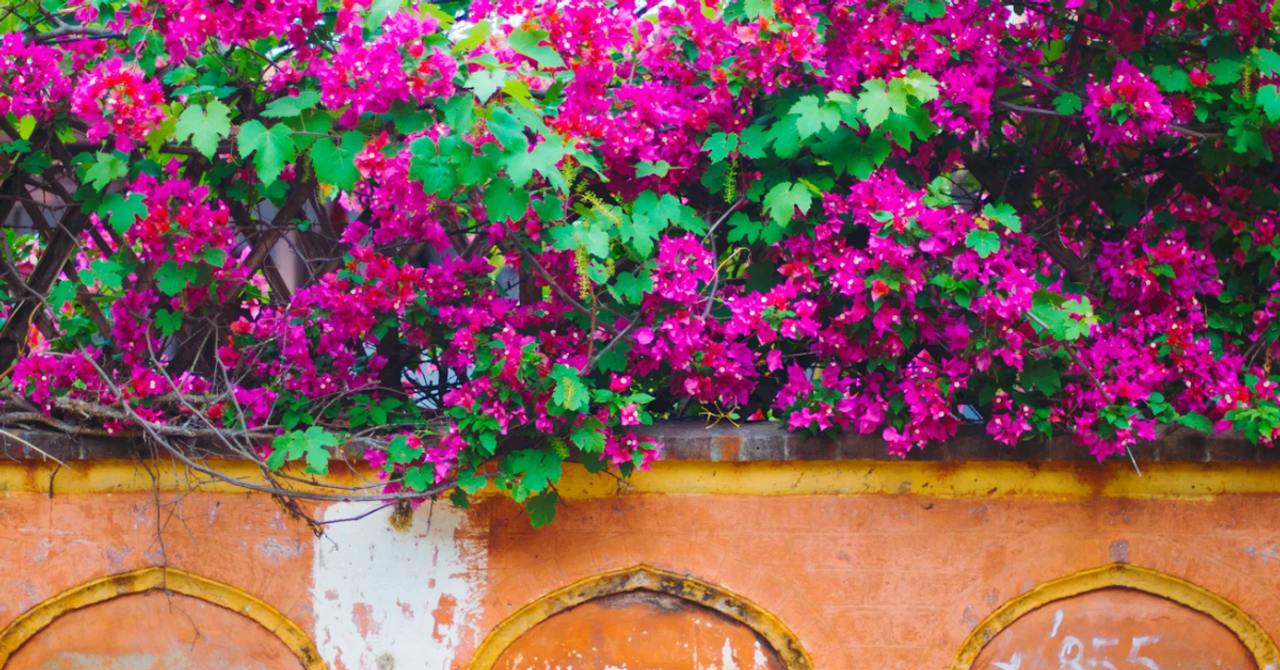
Summer is the season of sunshine, warmth, and nature's riot of colors. Few flowering plants can match the sheer vibrancy of bougainvillaea. Its bracts, often mistaken for petals, come in shades of magenta, crimson, orange, and white, instantly transforming any corner of your home into a tropical paradise. The allure of bougainvillaea lies in its accessibility; even a modest terrace, balcony, or patio can accommodate this climbing plant with judicious care. Here is a methodical guide to nurturing bougainvillaea in the home.
1. **Select a sunny location**
Bougainvillaea thrives under unmitigated sunlight. Position your plant in a location receiving at least five to six hours of direct sunlight daily. A terrace, veranda, or sunlit balcony is ideal. Insufficient light diminishes flowering intensity, while generous exposure stimulates vigorous growth and abundant bract production. Few flowering plants can match the sheer vibrancy of bougainvillaea.
2. **Choose an appropriate container or planting site**
When cultivating in containers, make sure the receptacle provides excellent drainage. Terracotta or ceramic pots are preferable because they allow moisture to dissipate naturally. For ground planting, select sandy and well-draining soil. Incorporating coarse gravel at the base further mitigates the risk of waterlogging and supports strong root development.
3. **Prepare nutrient-rich and aerated soil**
Use a porous, light soil mixture comprising garden soil, sand, and well-decomposed compost. During the vegetative and flowering seasons, apply a fertiliser enriched with phosphorus and potassium to encourage prolific bract development. Avoid excessive nitrogen, which favours foliage over flowers. Organic alterations, such as bone meal or well-rotted manure, can improve vitality and flowering potential.
4. **Water with precision and restraint**
Bougainvillaea prefers slightly arid conditions. Water judiciously, permitting the upper soil strata to dry before rehydrating. Overwatering can lead to root rot and weakened growth. In hot climates, misting the foliage can help maintain humidity without overly saturating the soil.
5. **Prune and shape for optimal growth**
Regular pruning is essential to maintain the plant's structure and encourage flowering. Remove dead or yellowing leaves and stems to prevent the spread of disease. For a bushy appearance, pinch back shoots to encourage lateral growth. In containers, trim back the plant annually to maintain size and shape.
6. **Protect from pests and diseases**
Bougainvillaea can be susceptible to aphids, spider mites, and mealybugs. Inspect the plant regularly and treat with organic or chemical remedies as needed. Common diseases include fungal blights and bacterial wilts, which can be prevented through proper drainage and watering techniques.
7. **Winter care and maintenance**
In colder climates, bougainvillaea may need to be moved indoors during winter months. Select a bright, cool location with temperatures above 50°F (10°C). Reduce watering and fertilising during this period to mimic natural dormancy. Repot the plant in early spring to remove any damaged roots and prepare for another season of vibrant growth.
By following these guidelines, you can create a bougainvillea paradise on your balcony or garden, bringing a burst of tropical color and enchantment to your outdoor space.