
Turkey in Talks With Iran for Ships’ Passage Through Hormuz
Only one Turkish-owned ship has received permission to pass through Hormuz since the start of the conflict.
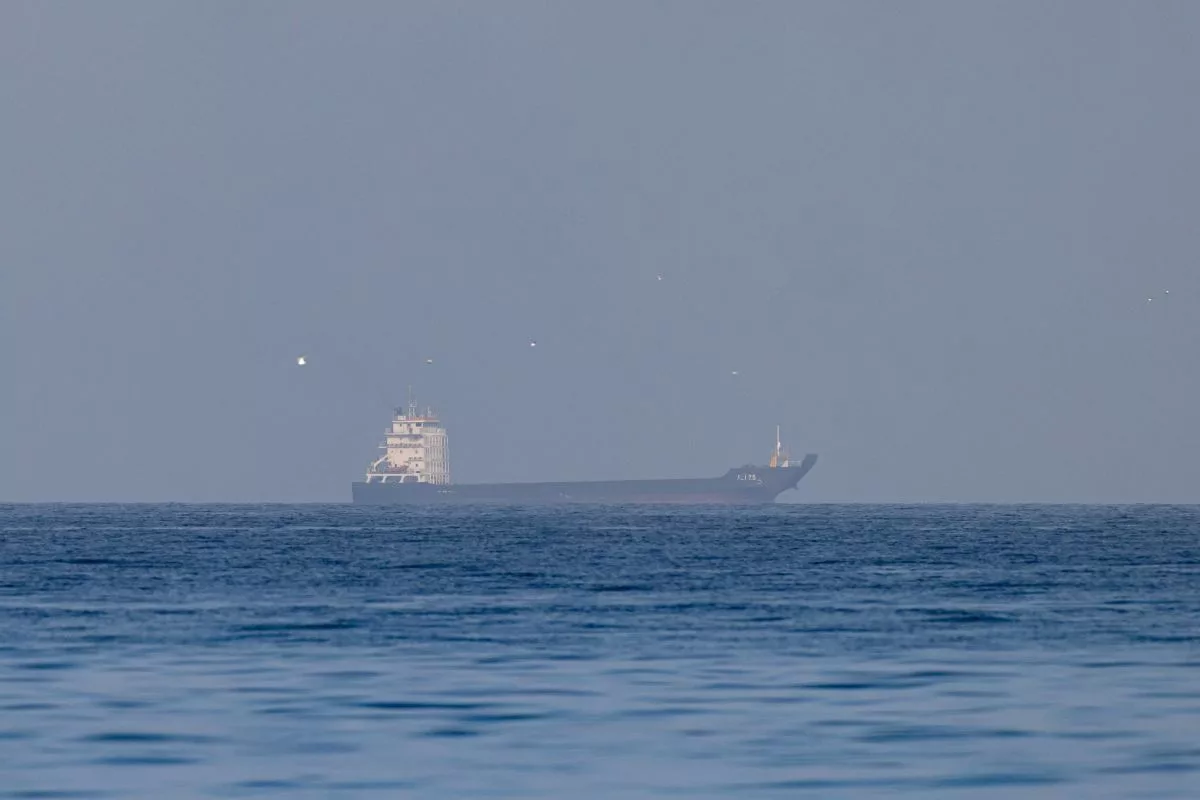
Turkey has recently initiated diplomatic talks with Iran to secure safe passage for its merchant ships through the strategic Strait of Hormuz. This move comes as tensions in the region have escalated, with the conflict impacting global maritime trade routes. The Strait of Hormuz, a narrow waterway between the Persian Gulf and the Gulf of Oman, is a critical chokepoint for international oil and gas shipments, accounting for about 30% of global maritime trade.
The situation has become particularly challenging for Turkey, as only one Turkish-owned ship has been granted permission to navigate through the strait since the conflict began. This limited access has raised concerns among Turkish businesses and policymakers, as the Strait of Hormuz is vital for Turkey's trade interests. Many Turkish companies rely on this route to transport goods, including oil and other essential commodities, to and from their markets.
The talks between Turkey and Iran are aimed at ensuring the safety and security of Turkish vessels in the region. Both countries share a long-standing diplomatic relationship, and Turkey has been seeking to leverage this connection to secure a more favorable position in the current geopolitical landscape. Iran, on the other hand, is keen to maintain its influence in the Strait of Hormuz, which is crucial for its own economy, given that it is a major exporter of oil and gas.
The negotiations are taking place amidst a complex international context. The conflict in the region has led to increased instability, with various powers vying for control over the strait. This has resulted in heightened tensions and a rise in the number of incidents, including attacks on ships and oil tankers. In this environment, securing safe passage for merchant vessels has become a top priority for countries dependent on the Strait of Hormuz for their trade.
Turkey's efforts to negotiate with Iran are part of a broader strategy to safeguard its economic interests. The country has been actively seeking alternative routes and agreements to mitigate the risks associated with the Strait of Hormuz. However, these alternatives, such as the Suez Canal or the Indian Ocean routes, often come with their own challenges, including higher costs and longer transit times.
The talks between Turkey and Iran are expected to address not only the immediate issue of ship passage but also broader aspects of regional security and cooperation. Both nations are likely to discuss ways to stabilize the situation in the Strait of Hormuz and promote maritime safety for all parties involved. This could involve joint efforts to monitor the strait, prevent incidents, and ensure the free flow of trade.
The outcome of these negotiations will have significant implications for Turkey's economy and its position in the region. If successful, the agreement could provide Turkish businesses with greater access to key markets and help maintain the flow of essential goods. It would also reinforce Turkey's role as a mediator and a player in regional diplomacy.
However, the challenges ahead are substantial. The conflict in the region continues to evolve, and the situation in the Strait of Hormuz remains volatile. Turkey and Iran must navigate a complex web of geopolitical interests and rivalries to reach a mutually beneficial agreement. The success of these talks will depend on a delicate balance of diplomatic efforts, mutual understanding, and a shared commitment to regional stability.
In conclusion, Turkey's diplomatic engagement with Iran over ship passage through the Strait of Hormuz highlights the country's strategic importance in the region. As tensions persist and global trade relies heavily on this critical waterway, Turkey's ability to secure safe passage for its vessels will be crucial for its economic interests. The talks between the two nations are a testament to the ongoing quest for stability and cooperation in a volatile region, where the stakes for all involved are high.









