
Trump’s ticking clock: New deadline for Iran as threat of devastating strikes looms over Hormuz blockade
Trump’s messaging reflects a dual strategy — signaling openness to a deal while maintaining the threat of sweeping military action — leaving the coming hours critical in determining whether diplomacy prevails or conflict escalates further.
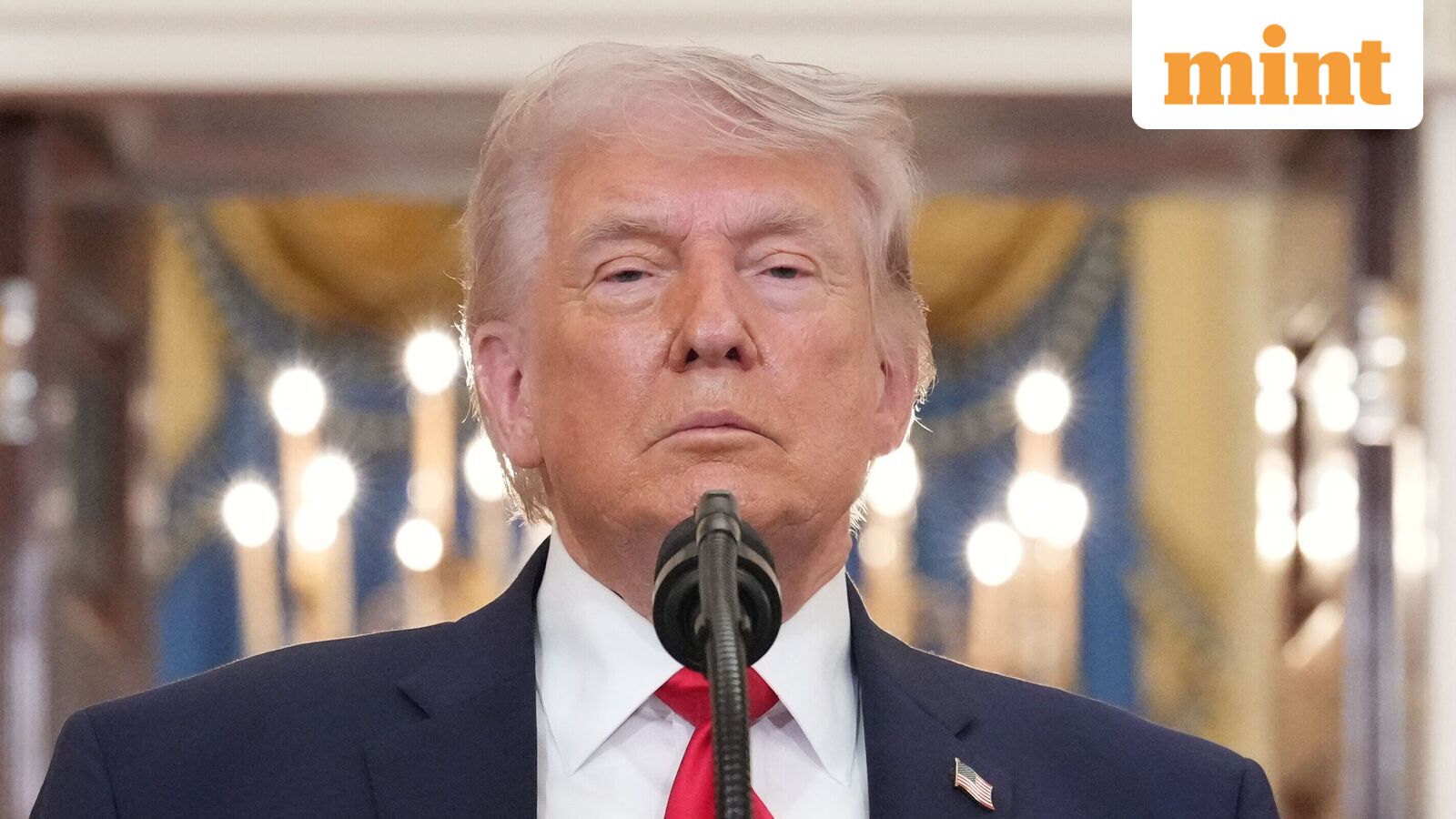
As tensions between the United States and Iran reach a boiling point, the world watches with bated breath as a new deadline looms for the two adversaries to resolve their escalating conflict. President Donald Trump has set a ticking clock for Iran, demanding that the country make a decision within a specific timeframe to avoid the possibility of devastating military strikes. This ultimatum comes as the threat of a Hormuz blockade hangs heavy over the region, potentially triggering a global crisis.
Trump’s messaging in recent days has been a masterclass in dual strategy. On one hand, he has signaled his willingness to negotiate, sending mixed signals to Iranian leaders about the possibility of a diplomatic resolution. On the other hand, he has maintained a firm stance on military action, warning that the United States is prepared to take decisive steps if Iran continues to provoke the U.S. or its allies. This approach leaves the coming hours critical in determining whether diplomacy can prevail or if the situation spirals into further conflict.
The Hormuz Strait, a narrow waterway between the Persian Gulf and the Gulf of Oman, is a strategic chokepoint for global oil supplies. Approximately 30% of the world’s oil trade passes through this 33-kilometer-wide strait, making it a prime target for any nation seeking to disrupt global energy markets. The threat of a blockade has sent oil prices soaring, with concerns that a full-scale conflict could plunge the world into a recession.
Trump’s administration has accused Iran of repeatedly threatening U.S. interests in the region, including the safety of American personnel and the stability of its allies. In response, the U.S. has increased its military presence in the Middle East, deploying additional troops and assets to deter any potential aggression. This move has not gone unnoticed by Iran, which has responded with its own military buildup and rhetorical threats.
The recent escalation in tensions has been fueled by a series of high-profile incidents. In June, Iran shot down an unmanned aerial vehicle (UAV) near the Strait of Hormuz, claiming it posed a threat to its sovereignty. The U.S. has denied any involvement, but the incident has heightened fears of a potential military clash. Additionally, there have been reports of increased naval activity in the region, with both sides positioning their forces in a show of strength.
In an effort to de-escalate the situation, Trump has reached out to Iranian leaders, offering a potential deal that could ease sanctions in exchange for Tehran agreeing to curb its nuclear program and regional influence. However, Iran has been cautious in responding to these overtures, likely weighing the risks of engaging in negotiations against the potential benefits.
The Trump administration has also sought to rally international support for its stance on Iran. In a recent meeting with Saudi Arabian officials, the U.S. emphasized the need for a unified front against Iranian aggression. This move has been seen as an attempt to isolate Iran diplomatically and put pressure on Tehran to back down.
Despite these efforts, the situation remains precarious. Analysts warn that any miscalculation or miscommunication could lead to a full-scale conflict, with far-reaching consequences for the region and the world economy. The threat of devastating strikes, if carried out, could have catastrophic effects on global oil markets and destabilize the entire Middle East.
As the deadline approaches, the world watches with trepidation. The coming hours will be crucial in determining whether diplomacy can triumph over conflict. Trump’s dual strategy of signaling openness to a deal while maintaining the threat of military action leaves the outcome uncertain. The world holds its breath, hoping that reason prevails and a diplomatic resolution can be reached before the situation escalates further.
In the meantime, the U.S. and its allies continue to monitor the situation closely, ready to respond to any provocation. The stakes are high, and the consequences of a full-scale conflict could be devastating. As the clock ticks down, the world awaits the outcome of this tense standoff, hoping for a peaceful resolution that can prevent further escalation and maintain global stability.








