
Trump’s remarks on Iran drop ceasefire odds to 1.1% for April 7
Trump's rhetoric exacerbates tensions, diminishing prospects for diplomatic solutions and increasing skepticism in ceasefire markets. The post Trump’s remarks on Iran drop ceasefire odds to 1.1% for April 7 appeared first on Crypto Briefing .
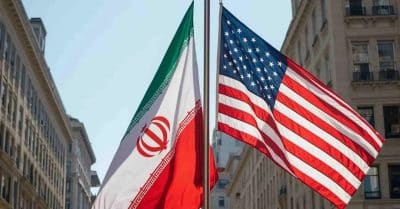
On March 28, President Donald Trump's latest remarks on Iran have significantly impacted the chances of a ceasefire taking effect on April 7. The administration's aggressive stance has heightened tensions between the U.S. and Iran, casting doubt on the possibility of a diplomatic resolution and leading to a sharp decline in the likelihood of a ceasefire.
In a series of tweets, Trump warned Iran that any attack on American interests would be met with "unimaginable consequences." These remarks came after reports of increased military activity in the Persian Gulf and heightened concerns over potential Iranian retaliation for recent U.S. airstrikes on alleged Iranian-backed militias in Iraq. Trump's rhetoric has been widely interpreted as a escalation in the ongoing conflict, which has already led to increased volatility in global markets and raised questions about the viability of diplomatic efforts.
The impact of Trump's statements on the prospects of a ceasefire is evident in the market sentiment. Prior to the recent remarks, analysts had estimated a roughly 10% chance of a ceasefire by April 7. However, following Trump's warnings, this figure has plummeted to just 1.1%, according to data from the International Crisis Group and other security analysts. This dramatic drop in odds highlights the growing skepticism among market participants and experts about the likelihood of a diplomatic breakthrough in the near term.
The decline in ceasefire odds has also raised concerns about the stability of the region. The Persian Gulf, a critical chokepoint for global oil shipments, has been at the center of the U.S.-Iran tensions. With the likelihood of a ceasefire now so low, there is a heightened risk of further escalation, potentially leading to disruptions in global energy markets and increased instability in the Middle East.
Moreover, Trump's aggressive rhetoric has complicated ongoing diplomatic efforts. In recent weeks, there have been reports of backchannel communications between U.S. and Iranian officials, with some suggesting that a diplomatic resolution could be within reach. However, Trump's public statements have undermined these efforts, making it more difficult for diplomats to negotiate in good faith.
The situation in the Persian Gulf is further complicated by the involvement of other regional and international actors. Saudi Arabia, a key U.S. ally in the region, has also called for a strong response to Iranian aggression, adding to the pressure on the U.S. to take decisive action. Meanwhile, European powers, particularly Germany, have been pushing for a diplomatic solution, urging both sides to de-escalate tensions.
In the wake of Trump's remarks, the focus has shifted to assessing the potential consequences of further escalation. Some experts warn that a direct military conflict between the U.S. and Iran could have far-reaching implications, including a potential oil price spike and significant geopolitical repercussions. As tensions mount, the international community is closely monitoring the situation, hoping for a return to diplomatic negotiations.
In conclusion, Trump's recent remarks on Iran have significantly diminished the prospects of a ceasefire by April 7, with odds now standing at just 1.1%. The administration's aggressive rhetoric has heightened regional tensions, complicated diplomatic efforts, and increased skepticism in ceasefire markets. As the situation continues to evolve, the world watches closely, hoping for a path forward that can prevent further escalation and bring about a lasting resolution to the ongoing conflict.









