
Trump's deadline for Iran to make deal approaches as critics fear his ultimatum threatens war crimes
President Trump said Monday that God is on the side of the U.S. as Iran faces the looming zero hour on the president's ultimatum to make a deal to end the war or suffer even worse destruction.
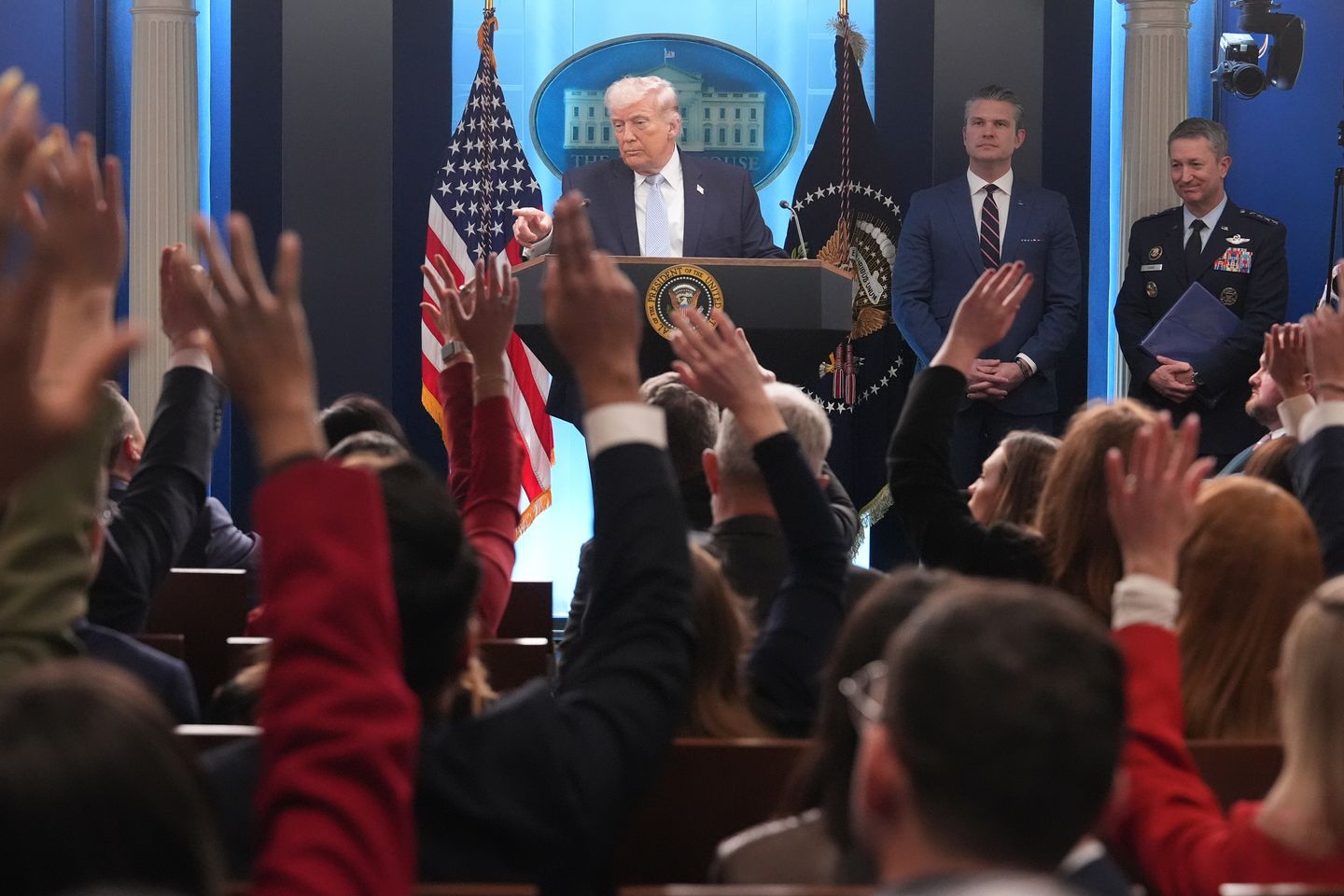
As the clock ticks down on President Trump's deadline for Iran to make a deal to end the war, tensions continue to escalate, with critics warning that his ultimatum could potentially lead to war crimes. Trump's statement, made on Monday, that "God is on the side of the U.S." as Iran faces the looming zero hour, has sparked widespread concern among diplomats and human rights advocates.
The ultimatum, which has been widely publicized, demands that Iran agree to a comprehensive deal to halt its nuclear program and cease support for proxies in the region, or face "even worse destruction." Critics argue that this approach not only risks further destabilizing the region but also raises serious ethical and legal concerns.
Many experts fear that Trump's aggressive stance could lead to a scenario where the U.S. engages in acts that could be classified as war crimes. War crimes, as defined by international law, include acts such as deliberate killing of civilians, torture, and the use of prohibited weapons. The International Criminal Court (ICC) has jurisdiction over such crimes, and critics warn that Trump's actions could bring the U.S. within the scope of a potential ICC investigation.
The situation in Iran is already fraught with instability, with ongoing protests and unrest among the population. The imposition of sanctions and the threat of military action have only exacerbated the situation, leading to a humanitarian crisis. Critics argue that Trump's ultimatum disregards the plight of the Iranian people and prioritizes geopolitical interests over human rights.
Moreover, the ultimatum has been met with skepticism from both allies and adversaries. European allies, particularly those reliant on Iranian oil, have expressed concern over the potential economic repercussions. Meanwhile, Iranian officials have dismissed the ultimatum as a bluff, insisting that their nuclear program is peaceful and for civilian purposes.
The situation has also raised questions about the role of the U.S. in international diplomacy. Critics argue that Trump's approach undermines the very institutions and frameworks designed to prevent conflict and resolve disputes peacefully. The nuclear deal, which was brokered under the Obama administration, was intended to address Iran's nuclear ambitions while fostering diplomatic engagement. Trump's decision to withdraw from the deal and impose new sanctions has been seen as a betrayal of that effort.
As the deadline approaches, the international community watches with bated breath, hoping that a diplomatic solution can be found. However, the prospect of war crimes looms large, with many questioning whether Trump's ultimatum is a calculated risk or a reckless gamble that could have devastating consequences.
In the face of such criticism, Trump's administration has remained unwavering in its stance, insisting that the U.S. must act decisively to protect its interests and allies. However, the potential for escalation and the humanitarian implications cannot be ignored. As the world waits for the outcome, the stakes could not be higher, with the potential for war crimes and further regional instability hanging in the balance.









