
Trump’s ‘Bridge Day’ threat: Can a last-ditch ceasefire plan work?
Mediators Pakistan, Turkiye and Egypt are proposing a 45-day ceasefire plan. But Iran is reluctant.
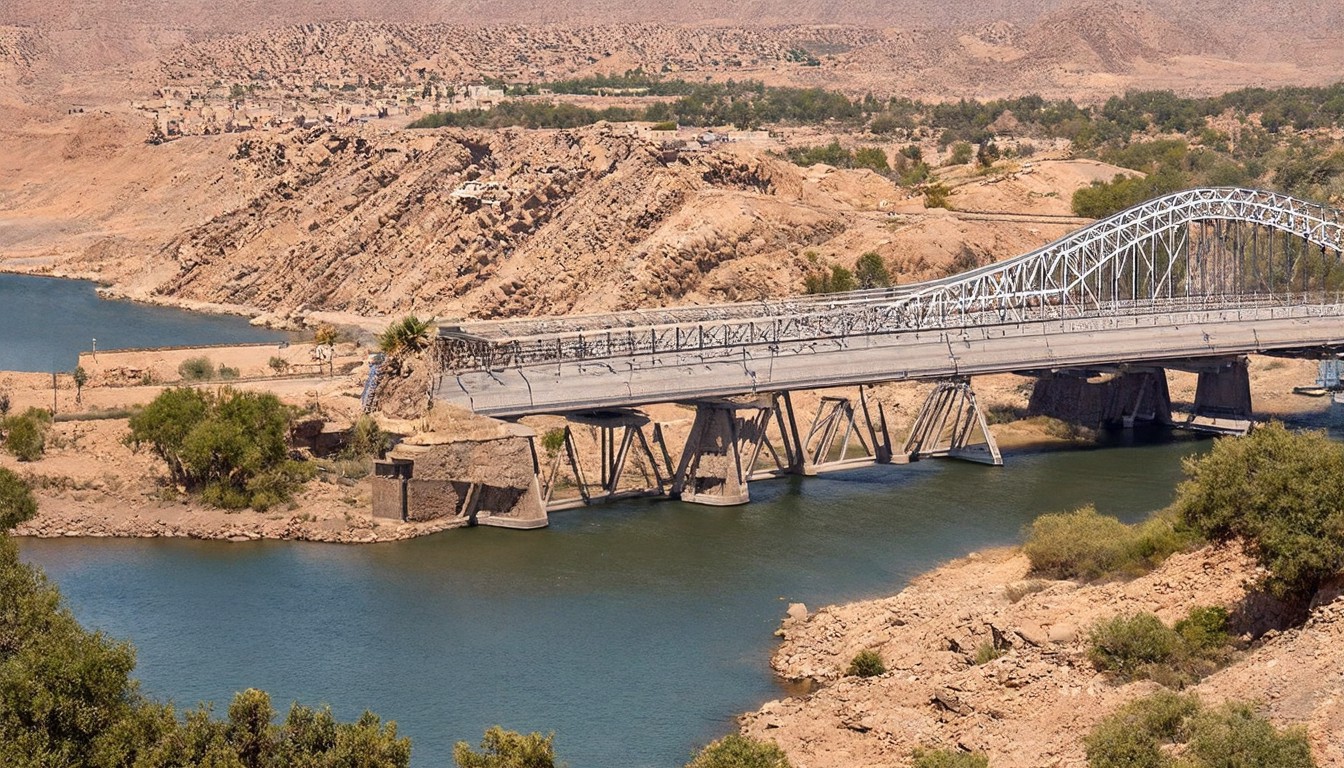
In a bid to de-escalate the ongoing conflict in the region, mediators from Pakistan, Turkey, and Egypt have proposed a 45-day ceasefire plan. Known as "Bridge Day," this initiative aims to provide a temporary pause in hostilities, allowing for diplomatic negotiations and potentially paving the way for a lasting peace agreement. However, the plan faces significant challenges, particularly from Iran, which has expressed reluctance to support the proposal.
The ceasefire plan, which has been meticulously crafted by the trio of mediators, outlines a detailed timeline for the cessation of military activities. It includes specific measures to ensure the safe withdrawal of troops from contested areas and the establishment of buffer zones to prevent accidental clashes. The mediators argue that this temporary pause will give both sides the opportunity to reassess their positions and engage in meaningful dialogue.
Despite the well-intentioned efforts of Pakistan, Turkey, and Egypt, Iran's stance remains a major obstacle. Officials in Tehran have voiced concerns about the fairness of the ceasefire terms and the potential for the opposing side to exploit the pause for strategic advantages. Iran's reluctance stems from its deep-seated interests in the region and its historical role as a key player in the conflict.
The mediators are hopeful that Iran will eventually come around, emphasizing that the ceasefire plan is not designed to favor any particular party but rather to create a conducive environment for peace talks. They have assured Iran that the ceasefire will be strictly monitored and enforced, with penalties for any violations.
The success of the "Bridge Day" initiative will depend on several factors, including the willingness of all parties to adhere to the ceasefire terms and the ability of the mediators to facilitate meaningful negotiations. The 45-day period could be crucial in determining whether the conflict can be resolved through diplomatic means or if it will continue to escalate, potentially leading to further devastation.
As the world watches with bated breath, the focus now shifts to Iran. Will the country ultimately support the ceasefire plan, or will its reluctance derail this last-ditch effort to bring peace to the region? The answer to this question could have far-reaching implications for the future of the conflict and the stability of the entire area.
In the meantime, the mediators are working tirelessly to build consensus and address the concerns of all parties involved. They are confident that, with the right approach, a lasting peace can be achieved. The "Bridge Day" ceasefire plan remains a beacon of hope, offering a glimmer of possibility amidst the chaos and uncertainty.
As the clock ticks down, the international community is closely monitoring the situation, hoping that this last-ditch effort will succeed in bringing an end to the conflict. The stakes are high, and the future of the region hangs in the balance. Only time will tell if the "Bridge Day" ceasefire plan can truly work and pave the way for a more peaceful future.









