
Trump’s Board of Peace Gives Hamas Disarmament Deadline
The demand reflects both the U.S. administration’s eagerness to secure a lasting cease-fire in Gaza and its growing impatience with the Palestinian militant group.
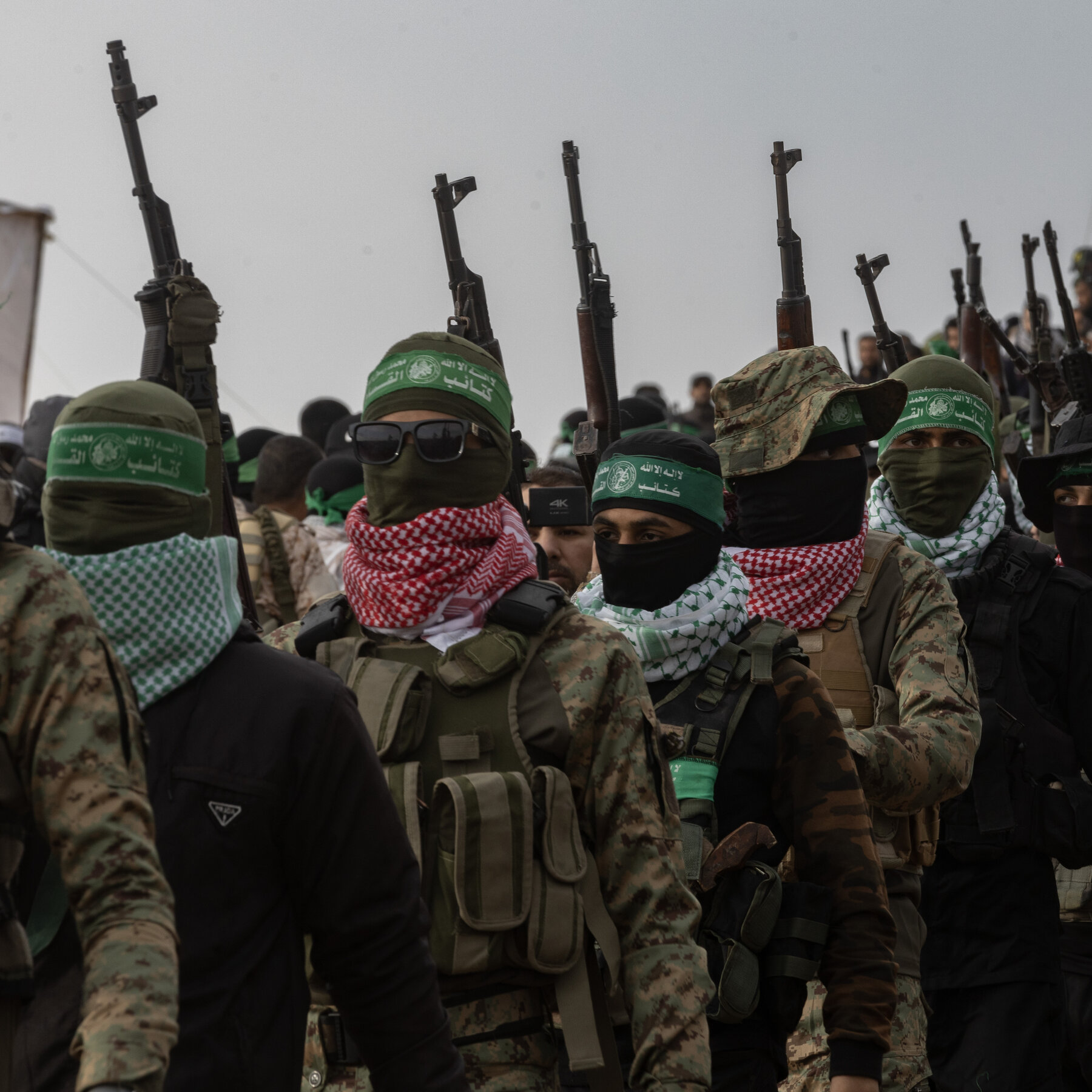
The Trump administration has recently imposed a disarmament deadline on Hamas, a move that underscores both the U.S. government's desire for a lasting cease-fire in Gaza and its growing frustration with the Palestinian militant group. This development comes as tensions in the region continue to escalate, with both Israel and Hamas engaging in periodic clashes.
The decision to set a disarmament deadline was made by the Board of Peace, a high-level advisory group established by President Trump to address global conflicts. The board, composed of international experts and former diplomats, has been tasked with finding innovative solutions to complex geopolitical issues. In this case, the board's focus has been on the Israeli-Palestinian conflict, a longstanding source of instability in the Middle East.
The demand for Hamas to disarm is not without precedent. Over the years, numerous international organizations and peacekeeping missions have called for the dismantling of Hamas's military infrastructure. However, Hamas has consistently refused to comply, citing its right to defend itself against Israeli attacks. This refusal has led to repeated cycles of violence, with both sides accusing the other of aggression.
The U.S. administration's decision to set a specific deadline reflects its growing impatience with Hamas's intransigence. Officials have stated that the cease-fire in Gaza, which has been in place since a recent truce agreement, is fragile and could be jeopardized if Hamas continues to maintain its armed forces. The administration argues that a lasting peace in the region can only be achieved if Hamas renounces its militant activities and embraces a path toward political engagement.
However, the effectiveness of the deadline remains uncertain. Hamas has a history of defying international pressure, and there is no guarantee that it will comply with the U.S. demand. Some analysts suggest that the deadline could backfire, pushing Hamas further into the arms of more radical groups or prompting it to seek support from other regional actors.
On the other hand, the U.S. administration is hopeful that the deadline will serve as a wake-up call for Hamas. By setting a clear and non-negotiable timeline, the U.S. aims to demonstrate its seriousness about the situation and to encourage Hamas to reconsider its approach. If Hamas does not disarm, the U.S. has not ruled out taking further action, though specifics have not been outlined.
This development also highlights the complex dynamics of U.S. foreign policy in the Middle East. The Trump administration has been criticized for its perceived bias toward Israel, with some arguing that its actions are disproportionately favorable to the Israeli government. The imposition of a disarmament deadline on Hamas could be seen as an attempt to balance these dynamics, demonstrating that the U.S. is willing to hold both sides accountable.
In the meantime, the situation in Gaza remains precarious. The fragile cease-fire has been tested by sporadic clashes, and the humanitarian situation is dire. Many Palestinians in Gaza live in poverty, with limited access to basic services and a high unemployment rate. The U.S. and other international actors are urging all parties to prioritize humanitarian concerns and work toward a sustainable peace.
As the disarmament deadline approaches, the international community will be watching closely to see how Hamas responds. The outcome could have far-reaching implications for the Israeli-Palestinian conflict and the broader Middle East. Whether the deadline will lead to meaningful change or further escalate tensions remains to be seen. One thing is clear, however: the path to lasting peace in the region is fraught with challenges, and the U.S. administration's actions are just one piece of a much larger puzzle.









