
Trump warns of "critical period" in Iran war as deadline to avoid escalation looms
President Trump's deadline for Iran to reach a deal to end the war or face punishing strikes on its bridges and power plants is less than 24 hours away.
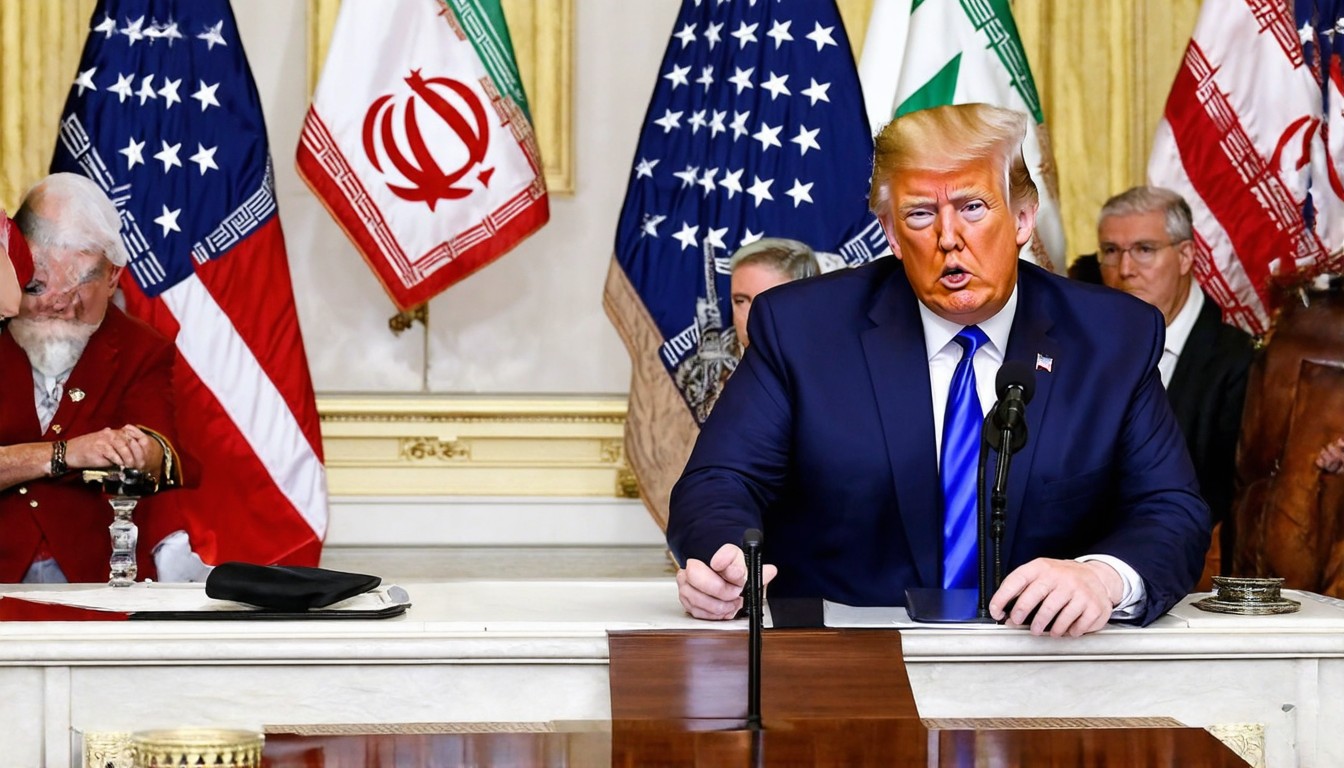
President Trump has issued a stark warning to Iran, stating that the country faces a "critical period" in the ongoing conflict, with a looming deadline for a negotiated settlement or the threat of severe military action. The ultimatum, which is less than 24 hours away, demands that Iran agree to terms that would end the war, or face punishing strikes on key infrastructure targets such as bridges and power plants. This escalation in rhetoric comes as tensions between the two nations have been mounting for months, with both sides engaging in increasingly aggressive actions.
The situation in the region has been volatile for some time, with both the United States and Iran accusing each other of provoking incidents and supporting hostile groups. The latest developments have raised concerns among international observers about the possibility of a full-scale military conflict, which could have far-reaching implications for global stability and energy markets.
In recent weeks, the Trump administration has been pushing for a diplomatic resolution to the crisis, arguing that military action would only exacerbate the situation and lead to further instability. However, the current ultimatum suggests that patience is running thin, and the administration is prepared to take decisive action if Iran does not comply with its demands.
The targets identified for potential strikes, including bridges and power plants, are critical to Iran's infrastructure and economy. Such an attack could disrupt daily life for millions of Iranians and cripple the country's ability to function effectively. The threat is designed to pressure Iran's leadership into negotiating a deal that would satisfy the United States' demands.
Iranian officials have responded to the ultimatum with defiance, vowing to defend their country's sovereignty and reject any foreign interference. They have also accused the United States of attempting to destabilize the region and undermine the Iranian government. This hardline stance has only increased the tension between the two nations, raising the stakes for any diplomatic efforts to resolve the conflict.
The international community is closely monitoring the situation, with many countries expressing concerns about the potential for a wider conflict. Some nations have called for both sides to exercise restraint and engage in dialogue to find a peaceful resolution. However, the urgency of the current deadline suggests that diplomatic efforts may be at a critical juncture, with time running out for a negotiated agreement.
As the deadline approaches, the world watches nervously, hoping that a diplomatic breakthrough can be achieved to avert the prospect of a full-scale war. The consequences of military action could be severe, with potential spillover effects on neighboring countries and the global economy. The stakes are high, and the next 24 hours could determine the future trajectory of the conflict.
In the meantime, both sides are likely to be engaged in intense negotiations, with each side trying to secure the best possible outcome. The Trump administration will be seeking concessions from Iran that would address its concerns about regional stability and the support for hostile groups. Iran, on the other hand, will be looking to avoid military action and maintain its influence in the region.
The outcome of these negotiations will have a significant impact on the future of U.S.-Iran relations and the broader Middle East. A successful agreement could pave the way for a de-escalation of tensions and a more stable region. However, if the deadline passes without a resolution, the path to military action could become increasingly likely, with potentially catastrophic consequences.
As the world awaits the outcome of this critical period, the focus remains on the need for both sides to find a peaceful and sustainable solution to the ongoing conflict. The stakes are high, and the world is watching closely to see whether diplomacy can prevail over the threat of war.








