
Trump vows Iran will be 'living in Hell' by Tuesday if Strait of Hormuz deadline missed
"Tuesday will be Power Plant Day, and Bridge Day, all wrapped up in one, in Iran. There will be nothing like it!!!" Trump said in a Truth Social post.
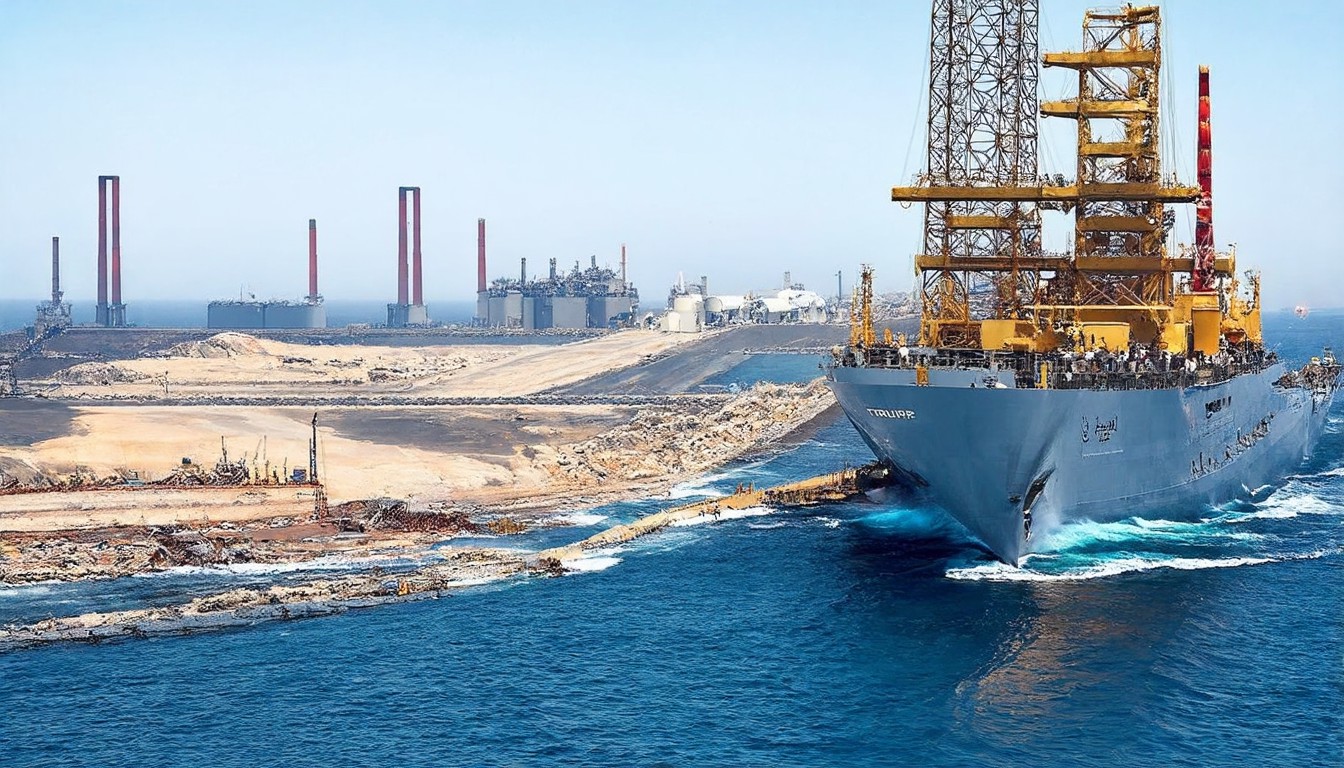
President Donald Trump, in a recent post on Truth Social, has issued a stark warning to Iran, vowing that the country will be "living in Hell" by Tuesday if it fails to meet a critical deadline related to the Strait of Hormuz. The statement comes as tensions between the United States and Iran have escalated in recent weeks, with both nations engaged in a complex geopolitical dance over regional influence and nuclear agreements.
In his post, Trump described Tuesday as "Power Plant Day, and Bridge Day, all wrapped up in one" in Iran, suggesting that significant infrastructure would be targeted if Iran does not comply with unspecified demands. While the exact nature of the deadline and the consequences of missing it are not detailed, the language used by Trump indicates a high level of urgency and potential severity.
The Strait of Hormuz, a narrow waterway between the Persian Gulf and the Gulf of Oman, is a crucial chokepoint for global oil supplies, with approximately 30% of the world's oil passing through it daily. This makes the strait a focal point of strategic importance, and any disruption to its navigation could have far-reaching economic impacts.
Iran has long been a contentious player in the Middle East, with its nuclear program and regional ambitions frequently drawing the ire of the United States and its allies. The Trump administration's hardline stance on Iran has been a hallmark of its foreign policy, with previous threats of military action and sanctions aimed at curbing Tehran's influence.
The recent warning from Trump could be interpreted as a continuation of this aggressive posture, particularly in light of ongoing negotiations over the nuclear deal. The 2015 Joint Comprehensive Plan of Action (JCPOA), which aimed to limit Iran's nuclear capabilities in exchange for economic concessions, has been a point of contention since Trump's presidency, with the former president vowing to renegotiate or even abandon the agreement.
It is unclear whether the deadline in question pertains to the nuclear deal or another matter. However, the mention of the Strait of Hormuz suggests that the focus may be on Iran's maritime capabilities and its role in global energy supply chains. Trump's statement could be seen as an attempt to pressure Iran into making concessions, either through direct negotiations or by demonstrating the potential for significant retaliation if deadlines are not met.
The Iranian government has not yet responded to Trump's warning, but such threats are not uncommon in the volatile relationship between the two nations. In recent years, both the United States and Iran have engaged in a series of provocative actions, from the U.S. imposing sanctions on Iranian oil to Iran seizing oil tankers in the region.
The specifics of the deadline and the consequences of missing it remain uncertain. However, Trump's use of vivid and apocalyptic language—describing Iran as "living in Hell"—underscores the severity of the situation and the potential for escalation. It also highlights the ongoing tensions and the challenges faced by both nations in navigating a complex and volatile region.
In the days leading up to Tuesday, international observers will be closely monitoring the situation, keenly aware of the potential for significant geopolitical fallout. The stakes are high, with the Strait of Hormuz and the broader Iran-U.S. relationship serving as critical flashpoints in global energy and security.
As the deadline approaches, the question of whether Iran will comply with the unstated demands and whether the U.S. will follow through with its threats remains unanswered. The situation serves as a stark reminder of the ongoing challenges and tensions in the Middle East, where the balance of power and the path to lasting peace remains elusive.
In conclusion, Trump's warning to Iran, delivered through a cryptic and vivid post on Truth Social, underscores the volatile nature of the U.S.-Iran relationship and the potential for significant escalation in the region. The focus on the Strait of Hormuz and the mention of infrastructure targets highlights the strategic importance of the area and the potential for disruption to global oil supplies. As the deadline looms, the international community watches closely, bracing for the consequences of any missed opportunities or unresolved tensions.








