Trump unveils up to 100% tariffs on patented drugs
Companies in the EU, Japan, Korea and Switzerland face a lower, capped tariff rate under existing trade agreements with the US.
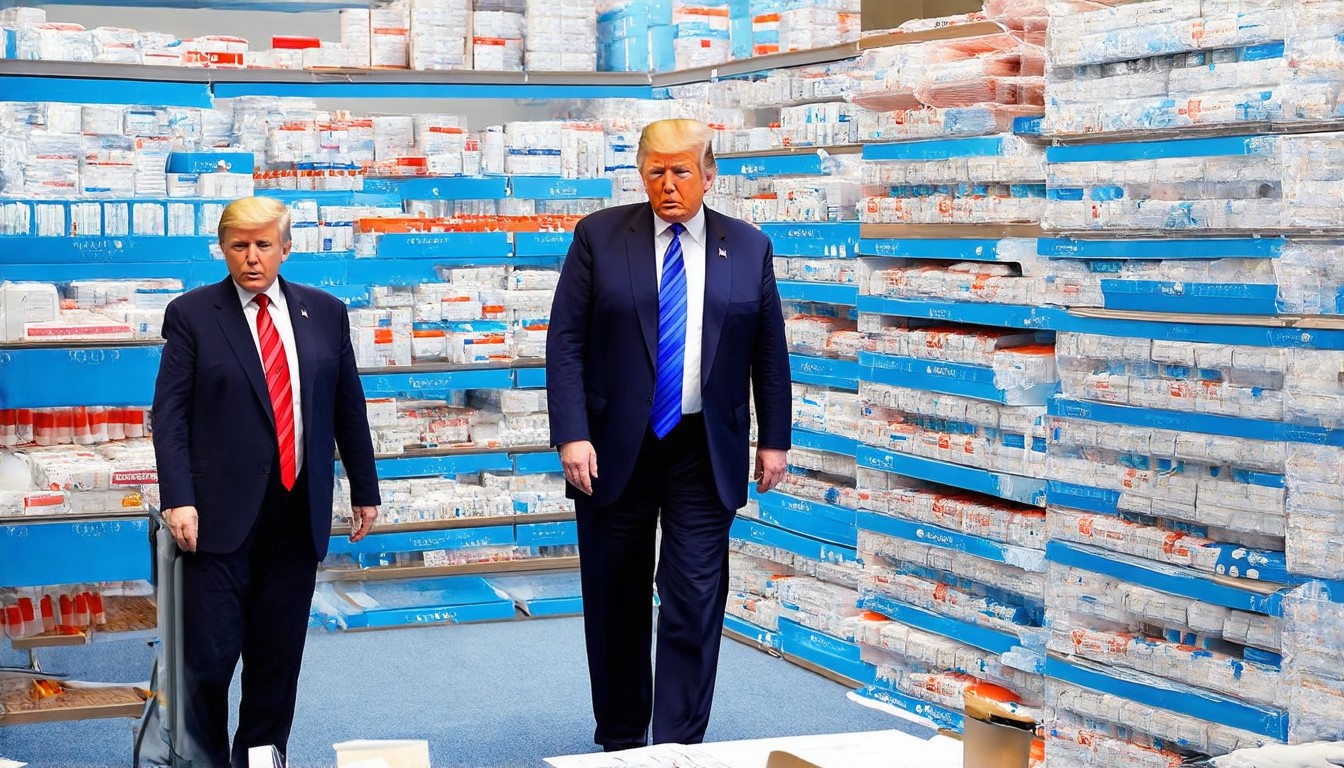
Former President Donald Trump announced plans to impose up to 100% tariffs on patented drugs imported from countries outside of the United States. This move comes as part of a broader trade strategy aimed at protecting American jobs and bolstering the domestic pharmaceutical industry. The decision has raised concerns among international partners, particularly those in the European Union, Japan, South Korea, and Switzerland, who currently benefit from lower, capped tariff rates under existing trade agreements with the US.
Under the proposed tariffs, drugs from non-partner countries would face significantly higher import duties, potentially making them prohibitively expensive for consumers and healthcare systems. This could lead to shortages of essential medicines and limit access to life-saving treatments. Critics argue that such a policy could exacerbate global health crises, particularly in developing nations that rely on affordable imported drugs.
However, Trump's administration insists that the tariffs are necessary to level the playing field and encourage foreign companies to manufacture their products within the US. By imposing steep tariffs on imported drugs, the administration hopes to incentivize pharmaceutical firms to invest in American factories and create jobs domestically. This aligns with Trump's "America First" policy, which prioritizes national economic interests over global trade agreements.
The impact of these tariffs on existing trade relationships is a significant concern. Countries like the EU, Japan, South Korea, and Switzerland currently have agreements in place that cap tariffs on certain goods, including pharmaceuticals. These agreements are designed to foster economic cooperation and ensure stable trade flows. If the US were to unilaterally impose 100% tariffs on patented drugs from these partners, it could lead to retaliatory measures and escalate tensions in global trade.
Moreover, the decision to target patented drugs specifically raises questions about intellectual property rights. Patents are legal mechanisms that grant inventors exclusive rights to their discoveries in exchange for encouraging innovation and research. By imposing high tariffs on patented drugs, the US could be undermining the very incentives that drive the development of new medicines. This could have long-term consequences for the pharmaceutical industry's ability to invest in research and development, potentially slowing progress in medical treatments for various diseases.
Critics also point out that the US already has a significant advantage in the pharmaceutical sector, with many global companies having substantial operations within the country. Imposing tariffs on imported drugs might not achieve the desired outcome of boosting domestic production, as these companies may already be producing a significant portion of their output in the US. Instead, the tariffs could lead to increased costs for consumers and healthcare providers, ultimately harming patients who rely on these medications.
On the other hand, proponents of the tariffs argue that they are necessary to address the growing trade imbalance and protect American workers. They contend that the pharmaceutical industry has historically benefited from favorable trade terms, and it is time to ensure that these benefits are shared more equitably across the global market. By imposing higher tariffs on imported drugs, the US could be forcing foreign companies to reconsider their supply chain strategies and prioritize domestic production.
The announcement of these tariffs comes at a time when global trade is already facing significant challenges, including the ongoing trade tensions between the US and China. The decision to target patented drugs could further complicate international trade negotiations and strain relationships with key allies. It remains to be seen how other nations will respond to these proposed tariffs and whether they will lead to a broader trade war or prompt a reevaluation of existing trade agreements.
In conclusion, Trump's proposal to impose up to 100% tariffs on patented drugs from countries outside of the US is a bold move aimed at protecting American jobs and bolstering the domestic pharmaceutical industry. However, the potential consequences for global health, trade relationships, and intellectual property rights are significant. As the US and its international partners navigate these complex issues, the future of global trade in pharmaceuticals remains uncertain.